Top 10 Uses of Tpu Film in Everyday Applications?
Tpu Film has become a transformative material in various industries. According to a recent market analysis by Smith Market Research, the global TPU film market is projected to grow at a CAGR of 7.5% from 2021 to 2028. This growth indicates the increasing adoption of Tpu Film in everyday applications.
Experts highlight its versatility. Dr. Emily Jiang, a leading researcher in polymer science, states, "Tpu Film adapts to diverse environments and enhances product functionality." From automotive interiors to medical devices, its impact is evident. However, it's essential to recognize challenges, such as production costs and environmental concerns.
As manufacturers explore innovative uses, they may face sustainability issues. The balance between functionality and eco-friendliness remains a topic for reflection. Ultimately, understanding the applications of Tpu Film can offer insights into future trends and innovations.
Applications of TPU Film in Medical Devices and Equipment
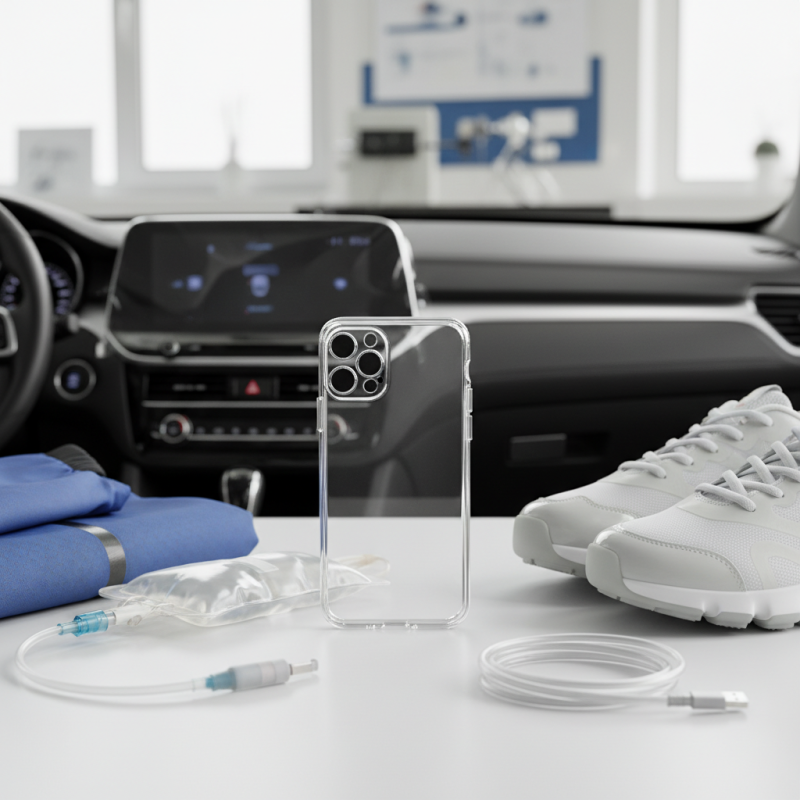
Thermoplastic polyurethane (TPU) film is gaining popularity in the medical industry. Its flexibility and durability make it suitable for various applications. Medical devices often require materials that can withstand harsh conditions. TPU films are resistant to temperature changes and chemical exposure, making them ideal for such environments.
In medical equipment, TPU film is used for protective coverings and seals. For instance, it can encapsulate sensitive components, shielding them from damage. This protective feature extends the lifespan of equipment, which is crucial in healthcare settings. In addition, TPU film is often used in pouches for medical devices. These pouches help maintain sterility, reducing the risk of infection.
Despite its advantages, there are challenges to address. Some TPU films may not be suitable for all applications. Quality control can also be an issue. Not all TPU films are created equal, leading to inconsistencies. There is a need for more rigorous testing to ensure reliability in critical medical environments. Overall, while TPU film showcases impressive features, ongoing evaluation is necessary for optimal use.
Usage of TPU Film in Sports and Fitness Gear
TPU film has revolutionized sports and fitness gear, offering unique advantages. This material is flexible, durable, and resistant to wear and tear. It is commonly found in items like athletic shoes, workout gear, and protective equipment. The lightweight nature of TPU film allows for comfort, making it ideal for active lifestyles.
In shoes, TPU film enhances performance. It provides a supportive structure while maintaining breathability. This enables athletes to perform at their best without discomfort. Additionally, TPU film is water-resistant, keeping your feet dry during workouts.
Tip: Look for products made with TPU film to enhance your training sessions. A good fit and proper materials can significantly improve performance.
Sports gear also benefits from TPU film’s versatility. It is used in items such as gloves and padded jackets. These products need to offer protection and flexibility. TPU film meets both requirements well. However, not all TPU films are created equal. Quality can vary, so check for credible sources.
Tip: Always test gear for comfort. Don’t settle for something that feels off. Listening to your body is crucial during workouts.
Enhancements in Automotive Industry through TPU Film
Thermoplastic Polyurethane (TPU) film is revolutionizing the automotive industry. Its versatility has made it increasingly popular in various applications, from interior components to protective coatings. TPU offers exceptional durability and flexibility, which are crucial for modern vehicles. A recent industry report indicates that the demand for TPU in automotive applications is projected to grow by over 10% annually.
Many automakers are utilizing TPU film for enhancing performance and aesthetics. This material is lightweight, which helps reduce the overall vehicle weight. This factor can improve fuel efficiency by approximately 5-10%. Additionally, TPU film provides excellent abrasion resistance, crucial for high-traffic areas within vehicles. It can withstand impacts and scratch damage better than traditional materials, ensuring that car interiors maintain their visual appeal over time.
Despite its advantages, the adoption of TPU is not without challenges. Some manufacturers struggle to source high-quality TPU films that meet strict automotive standards. Additionally, the production process for TPU can be resource-intensive and costly. Manufacturers need to address these issues to take full advantage of TPU's benefits. As the industry evolves, finding a balance between cost and quality remains a key consideration for many companies.
Innovative Uses of TPU Film in Packaging Solutions
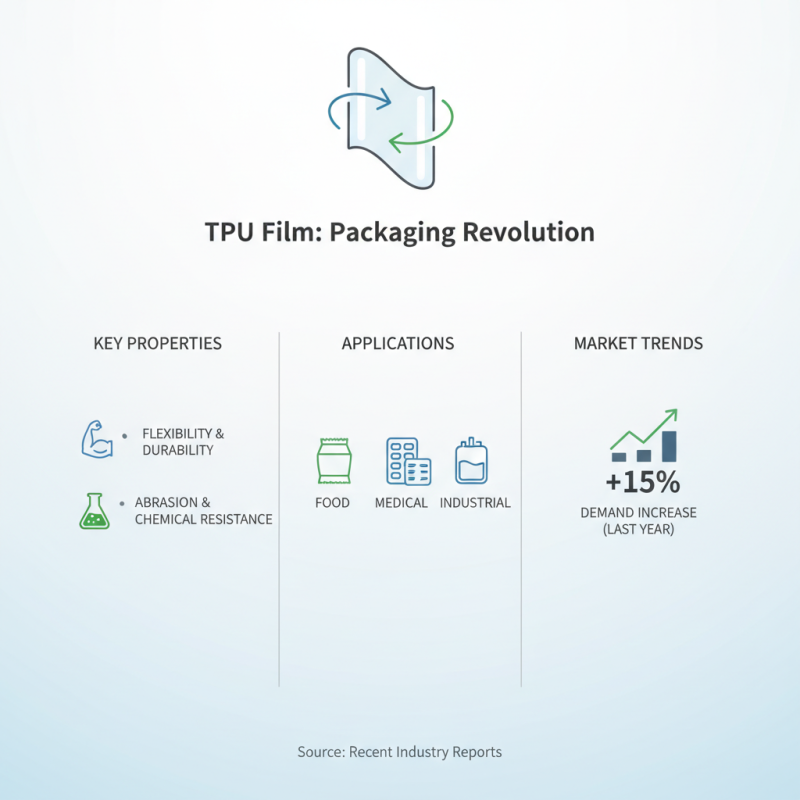
Thermoplastic polyurethane (TPU) film is revolutionizing packaging solutions. Its flexibility and durability make it an excellent choice for various applications. In recent studies, TPU is highlighted as a preferred material due to its resistance to abrasion and chemicals. Reports indicate that the demand for TPU in packaging has increased by 15% over the past year.
This material offers unique advantages in the food packaging industry. TPU films are not only transparent but also lightweight. Their breathable properties help maintain product freshness. This is crucial in reducing food waste. However, challenges remain, such as cost-effectiveness compared to traditional materials. Balancing performance and price is essential for broader adoption.
Tips: Consider sourcing TPU films from local suppliers to reduce your carbon footprint. Always check for certifications for food safety. Evaluate the specific needs of your products to maximize the benefits of TPU. With innovative applications emerging, TPU is set to transform how we think about packaging, even if it still has some environmental impact.
Impact of TPU Film in Electronics and Consumer Products
Thermoplastic polyurethane (TPU) film is gaining traction in electronics and consumer products. Recent industry reports indicate that the global TPU film market is expected to reach $3 billion by 2026, driven by advancements in product design and consumer demand. With excellent elasticity and durability, TPU film is used in protective casings and smart device accessories.
In smartphones, TPU film provides scratch resistance and shock absorption. It ensures devices remain intact during accidental drops. About 70% of consumers prefer products that offer this level of protection. In wearables, TPU film is lightweight and flexible, enhancing comfort for daily use. This trend is visible in fitness bands and smartwatches, where users value both aesthetics and functionality.
However, the long-term environmental impact of TPU is a concern. Some reports highlight that while TPU can be recycled, the processes are not widely adopted yet. This raises questions about sustainability in the industry. The push for eco-friendly alternatives is essential as consumer awareness increases. As the market evolves, balancing performance and environmental responsibility will shape the future of TPU in everyday applications.