Top 2025 Tint Film Trends to Enhance Your Vehicle and Home Privacy
As we look towards 2025, the demand for tint film applications in both vehicles and residential spaces continues to rise, reflecting a growing awareness of privacy, UV protection, and aesthetic enhancements. According to the 2023 Global Window Film Market Report, the market for tint films is expected to grow at a CAGR of 5.8% from 2023 to 2028, driven by increasing consumer preferences for energy efficiency and innovative design elements. This surge highlights the critical role tint films play not only in safeguarding personal privacy but also in contributing to energy savings and improving the overall comfort of living environments.
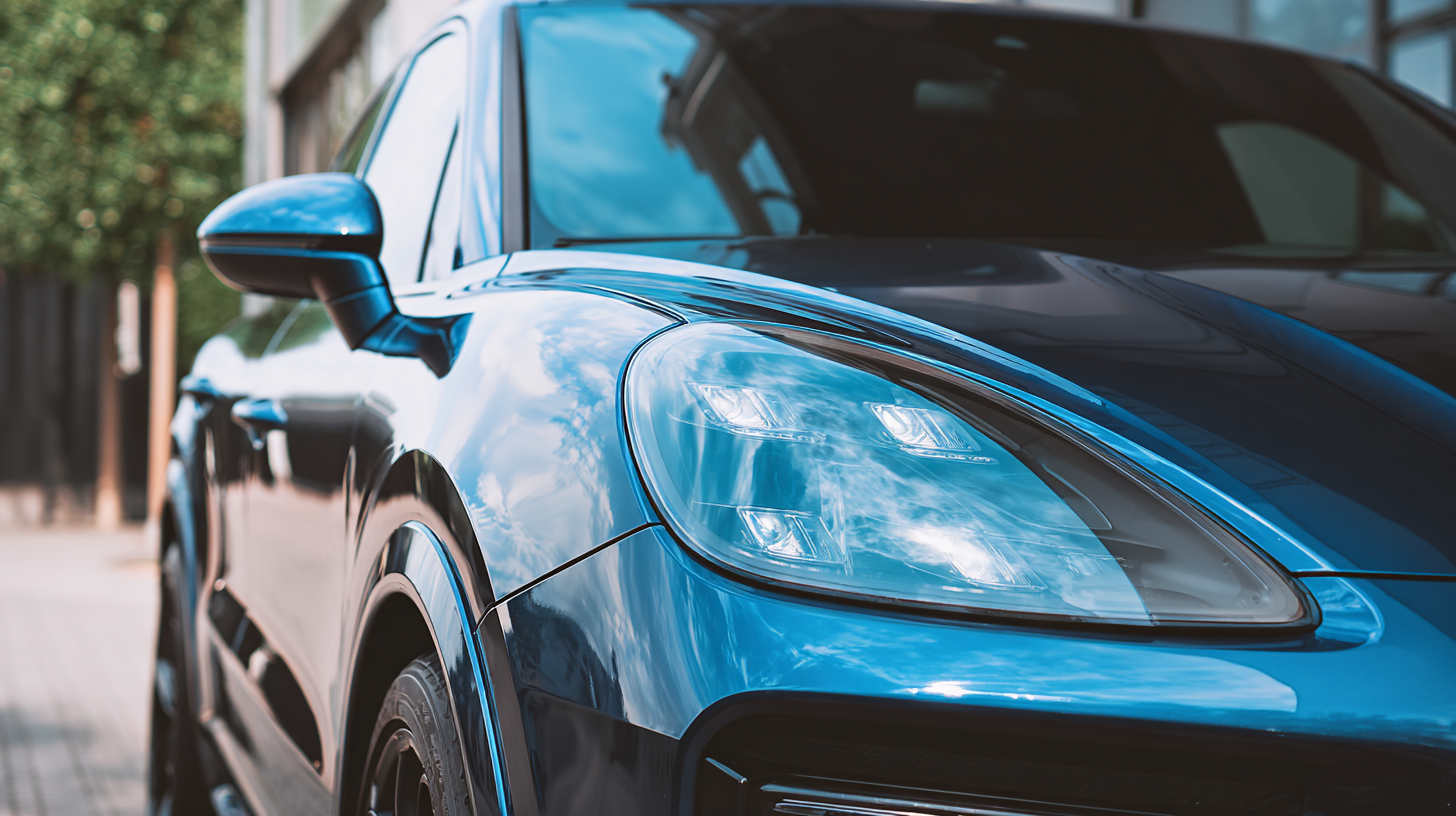
The evolution of tint film technology has opened new avenues for customization and performance, making it an essential upgrade for homeowners and vehicle owners alike. Advanced nano-ceramic films, for instance, offer superior heat rejection and glare reduction without compromising visibility, a key factor as consumers become more selective about their interior environments. As we explore the 2025 trends in tint film, it is essential to consider not only the practical benefits but also the aesthetic enhancements that tint films provide, aligning with wider interior and exterior design trends.
Emerging Technologies in Tint Films for Vehicles and Homes in 2025
As we approach 2025, the tint film industry is set to witness transformative advancements driven by emerging technologies. With a growing consumer emphasis on privacy and protection, manufacturers are exploring innovative materials and coatings that enhance the functionality of tint films. According to a recent market analysis by Transparency Market Research, the global window film market is projected to reach $10.5 billion by 2025, reflecting an increasing demand for high-performance tint solutions in both automotive and residential sectors.
One prominent trend is the development of ceramic window films, which are designed to provide superior heat rejection while maintaining visibility. These films utilize advanced nanotechnology, making them more effective at blocking harmful UV rays and reducing glare without interfering with electronic devices in the vehicle or home. Reports from 3M indicate that consumers are increasingly favoring ceramic films, as they offer a combination of aesthetic appeal and high durability. Additionally, the incorporation of smart technology into tint films, such as electrochromatic and thermochromic films, is set to revolutionize how consumers interact with their environments. These intelligent films can adjust their tinting properties based on temperature or light levels, providing personalized comfort and enhancing privacy.
Top 2025 Tint Film Trends for Vehicle and Home Privacy
Top Benefits of Using Dual-Layer Tint Films for Enhanced Privacy
Dual-layer tint films are gaining popularity for their effectiveness in enhancing privacy in both vehicles and homes. These advanced films offer superior protection by combining two distinct layers, which significantly reduces visibility from the outside while still allowing natural light to permeate. The first layer acts as a barrier against harmful UV rays, while the second layer bolsters the film's opacity and insulation properties. This combination not only enhances personal privacy but also contributes to improved energy efficiency, making it a smart choice for environmentally conscious consumers.
In addition to their functional benefits, dual-layer tint films provide aesthetic advantages. They can complement various interior designs and vehicle styles, creating a sleek and modern appearance. Unlike traditional window coverings such as curtains or blinds, which can be bulky and require regular maintenance, tint films offer a low-maintenance alternative that retains its stylish look over time. This makes them an ideal solution for homeowners and car owners seeking both privacy and elegance without compromising on visual appeal.
Top 2025 Tint Film Trends to Enhance Your Vehicle and Home Privacy - Top Benefits of Using Dual-Layer Tint Films for Enhanced Privacy
| Trend |
Benefit |
Application |
Privacy Level |
UV Protection |
| Ceramic Tint |
Enhanced heat rejection |
Vehicles and homes |
High |
99% |
| Reflective Tint |
Increased privacy during the day |
Home windows |
Medium |
90% |
| Dual-Layer Tint |
Optimal privacy and heat control |
Automobiles and commercial properties |
Very High |
99% |
| Dyed Window Film |
Cost-effective privacy |
Residential windows |
Moderate |
99% |
Innovative Design Trends: Customizable Tint Solutions for Individual Preferences
As we look ahead to 2025, the tint film industry is poised to embrace innovative design trends that cater to individual preferences, reflecting a growing demand for customizable solutions. According to a market research report by Grand View Research, the automotive tint film market is expected to reach $4.89 billion by 2025, driven largely by consumer interest in personalized vehicle aesthetics and enhanced privacy. This trend indicates that customers are seeking films that not only improve functionality but also resonate with their unique style and lifestyle choices.
Customizable tint solutions are becoming increasingly sophisticated, allowing consumers to choose from various shades, patterns, and finishes. A recent survey by Transparency Market Research highlighted that 60% of consumers are willing to invest in premium tint films that offer advanced UV protection and heat rejection while also allowing for personalized designs. Innovations such as dynamic tint films, which can adjust their opacity based on lighting conditions, represent a significant leap forward in the industry. This level of customization empowers consumers to enhance both their vehicles and homes, ensuring that privacy needs are met without compromising on style or technological advancements.

Sustainability in Tint Film Production: Eco-Friendly Materials and Practices
The growing emphasis on sustainability is making waves in the tint film industry, as manufacturers strive to create products that not only meet aesthetic and functional demands but also prioritize ecological responsibility. Innovative practices in tint film production are now focusing on using eco-friendly materials such as biodegradable polymers and recycled components. This shift not only reduces the carbon footprint associated with production but also contributes to a circular economy, where materials are repurposed rather than discarded.
Additionally, sustainable tint films often feature non-toxic adhesives and are free from harmful chemicals, which helps to improve indoor air quality in homes and vehicles. As consumers become more environmentally conscious, they are increasingly seeking solutions that align with their values. The trend towards sustainability is not just a fleeting idea; it signifies a broader commitment within the industry to protect the environment while enhancing privacy and comfort in personal spaces. This holistic approach is expected to resonate strongly among buyers in 2025 and beyond, paving the way for a greener future in tint film technology.
Future Prospects: Smart Tint Films that Adjust to Environmental Conditions
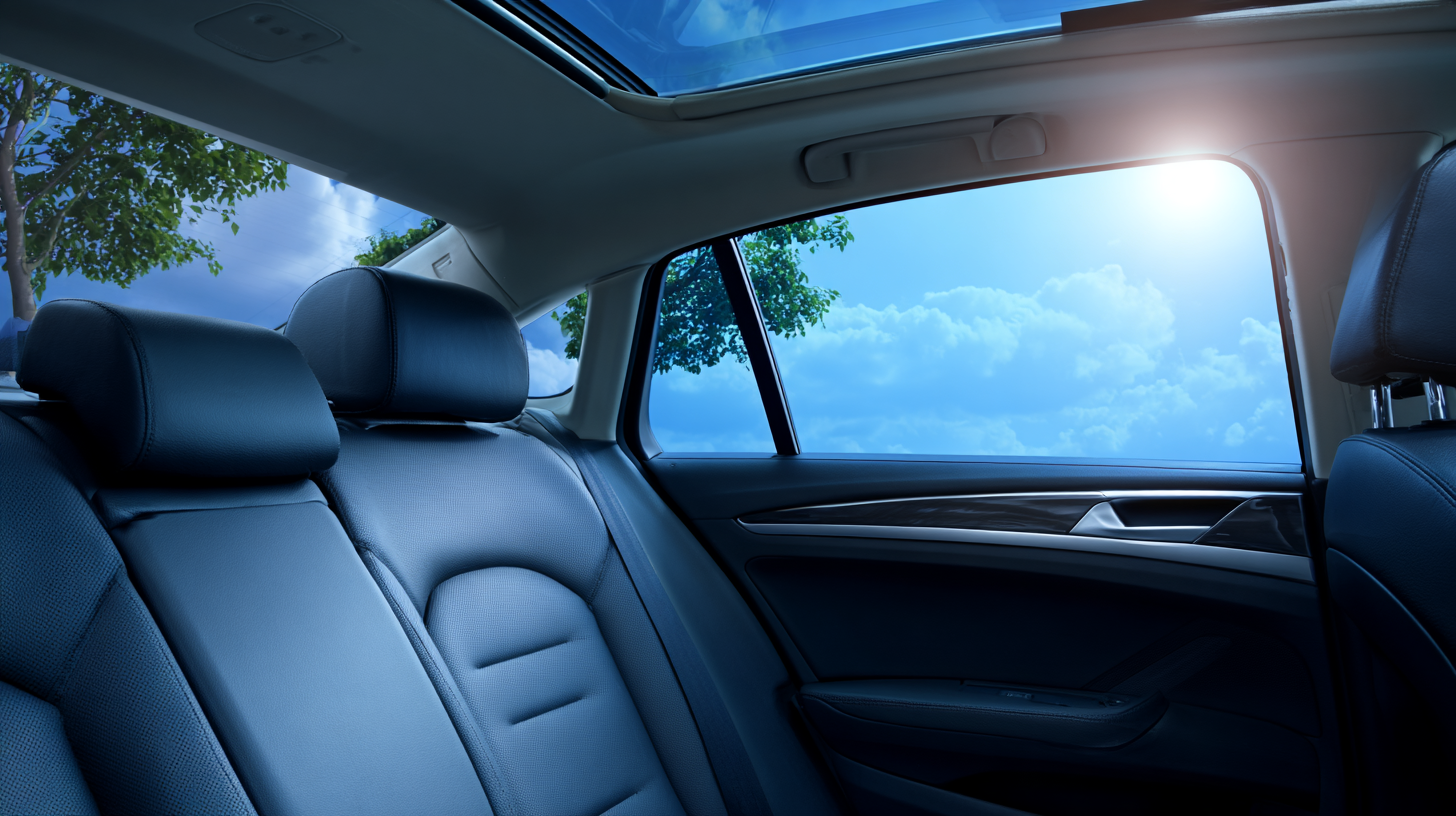
In recent years, the development of smart tint films has marked a significant advancement in enhancing both vehicle and home privacy. These innovative films are designed to adjust their tint levels based on environmental conditions, providing users with optimal light control and temperature management. As the demand for energy-efficient solutions grows, smart tint films are becoming a favored choice for homeowners and car enthusiasts alike, as they offer not only privacy but also increased comfort and reduced energy consumption.
The integration of sensors within these smart films allows them to respond to external factors such as sunlight intensity and temperature fluctuations. For example, during bright sunny days, the tint can automatically darken, minimizing glare and UV exposure while maintaining a comfortable indoor climate. Conversely, when the surroundings are dimmer, the film can maintain transparency, enhancing visibility and allowing natural light to filter through. This dynamic adaptability ensures that users can enjoy their privacy without sacrificing light and ambiance, reflecting a future where technology seamlessly enhances everyday living.