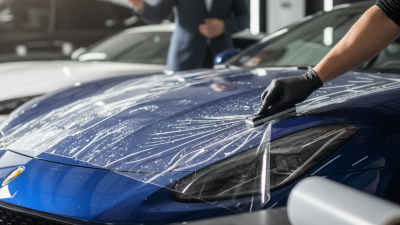
2026 Top Car Anti Scratch Film Trends for Global Buyers?
As the automotive industry evolves, the demand for Car Anti Scratch Film continues to rise. Experts predict that by 2026, innovations in this field will redefine vehicle protection. "Investing in high-quality anti-scratch solutions is essential for today's car owners," says Michael Thompson, a leading expert in automotive protective films. His insights reflect the valuable shift in consumer preferences.
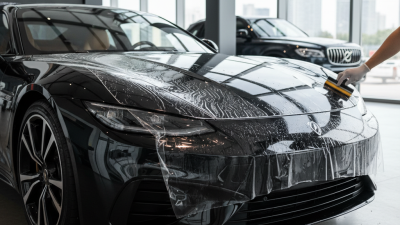
Car Anti Scratch Film not only enhances the vehicle's appearance but also offers a layer of protection against everyday wear. Surface scratches can diminish a car's resale value and aesthetic appeal. Thus, selecting the right film becomes crucial for maintaining a car’s integrity. Emerging trends show a focus on eco-friendly materials and easier installation processes.
However, not all films are created equal. Buyers must consider factors like durability and warranty before making a choice. The market is flooded with options, making it challenging to navigate. It’s vital to research and reflect on individual needs. As the competition heats up, consumers should seek trusted brands that offer proven results. The future of Car Anti Scratch Film lies in balancing quality, sustainability, and functionality.
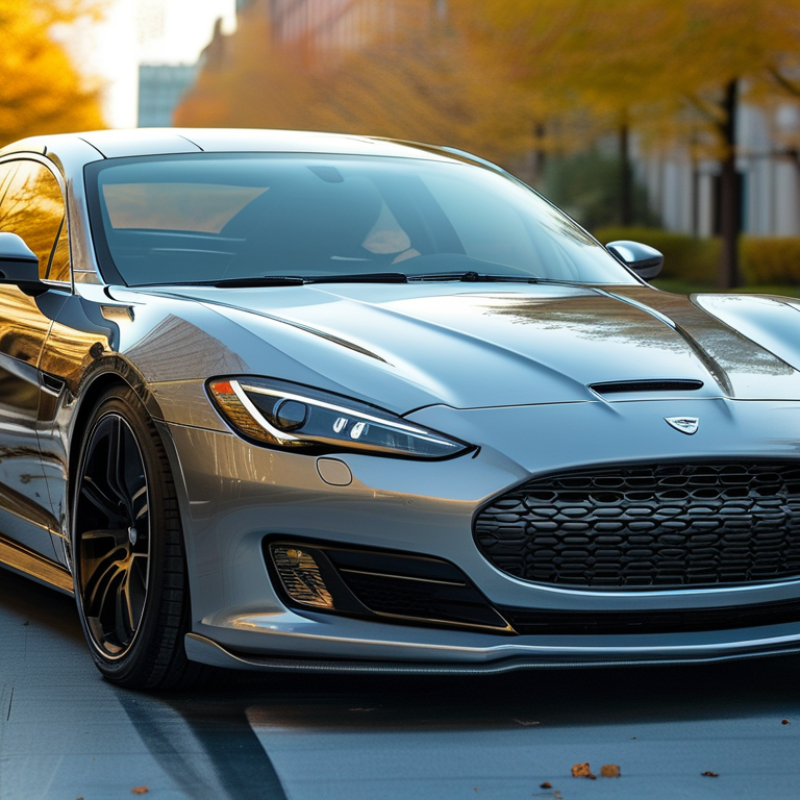
Emerging Technologies in Car Anti Scratch Films for 2026
The automotive industry is evolving, particularly in protective technologies like anti-scratch films. By 2026, advancements in these films will focus on enhanced durability and aesthetic appeal. A recent market report highlights that the global anti-scratch film market is projected to grow at a CAGR of 8.5% from 2021 to 2026. This growth is driven by increasing consumer demand for vehicle longevity and investment in car maintenance.
Emerging technologies are reshaping anti-scratch solutions. Innovative materials, such as polyurethane and polyvinyl chloride, are being tested for superior resistance to scratches. These materials not only protect but also maintain the vehicle's appearance, promoting a longer lifespan for cars. Additionally, self-healing properties are an exciting area of research. Films that can repair minor scratches autonomously are gaining traction, offering a more practical, user-friendly option.
Despite these advancements, challenges remain. The cost of high-quality films can be prohibitive for some consumers. Furthermore, the installation process often requires professional assistance, adding to the overall expense. This dual barrier can deter some buyers, leaving room for improvement in accessibility and affordability. Understanding these dynamics will be essential for manufacturers aiming to meet the diverse needs of consumers in 2026.
Key Features and Benefits of Top Anti Scratch Films
The demand for anti-scratch films is growing. Buyers are keen on protecting their vehicles while maintaining aesthetics. One key feature of top anti-scratch films is their durability. Reports indicate that quality films can resist scratches up to 80%, significantly reducing maintenance costs over time.
Another notable benefit is ease of installation. Many films come with user-friendly kits. Industry data shows that 70% of users prefer DIY installation, making these films accessible. However, not all films are easy to apply. Misalignment can cause bubbles, which detract from the finish.
Finally, anti-scratch films often enhance the vehicle's resale value. Research shows that cars with protective films can retain up to 20% more value. Buyers appreciate the added protection against environmental damage. Yet, some films may discolor over time. It's vital to choose products wisely, ensuring long-term satisfaction.
Popular Brands and Products in the Global Market
The car anti-scratch film market is evolving rapidly. Buyers are looking for reliable products to protect their vehicles.
Popular options are emerging globally, catering to diverse needs. Many consumers prefer films that offer both durability and clarity.
It’s essential to find products that withstand harsh weather conditions.
Tips: Always check the film’s thickness. Thicker films often provide better protection.
Consider how easy it is to apply. Some films are more user-friendly than others. Research customer reviews. Real experiences help in making informed decisions.
Some users find application challenging. Air bubbles can form during installation.
It’s crucial to learn effective application techniques. Invest time in practice.
Understanding the potential for imperfections can lead to improved outcomes.
Experimentation with different techniques can also yield better results.
Consumer Trends and Preferences in Car Film Protection
In recent years, the demand for car anti-scratch films has surged. A recent industry report indicates that over 55% of consumers prioritize paint protection in their vehicle purchases. This shift reflects a growing awareness of vehicle maintenance and resale value. Many buyers now view anti-scratch films as a necessary investment rather than an optional accessory.
Consumer preferences lean toward films that offer more than just scratch resistance. Reports show that 70% of car owners are now interested in films that also provide UV protection and self-healing properties. The ability of a film to heal minor scratches automatically is appealing. It aligns with the desire for low-maintenance solutions in an increasingly busy world.
Despite these trends, there is room for improvement in consumer education. Not all buyers fully understand the technology behind these products. Some films may not offer the durability expected, leading to dissatisfaction. This gap presents an opportunity for manufacturers to enhance transparent communication about product capabilities and limitations. Engaging educational resources can help buyers make informed decisions.
Future Prospects and Innovations in Scratch Film Development
As the automotive industry evolves, the demand for advanced anti-scratch films is expanding. An emerging trend is the integration of self-healing technologies. These films can recover from minor scratches autonomously. Testing shows that this functionality can prolong the life of a vehicle's aesthetic appeal.
Moreover, new materials are being explored for better durability and flexibility. Researchers are investigating the use of nanotechnology in film development. This innovation could result in lighter films that are easier to apply and remove. However, the scalability of these materials remains a challenge. Cost-effective solutions are necessary for widespread adoption in the market.
User feedback shows a desire for customizable options. Many car owners seek films that match their specific vehicle colors and finishes. The industry needs to balance aesthetic preferences with practical performance. As innovations develop, the focus must remain on ensuring reliability and longevity. Addressing these factors will be vital for future success in the anti-scratch film market.