2026 Top Paint Protection Film Benefits and Usage Explained?
As we move towards 2026, the automotive industry is rapidly evolving. Paint Protection Film (PPF) is becoming an essential component for vehicle owners seeking to preserve their cars. According to John T. Carson, a leading expert in the Paint Protection Film industry, "Investing in quality film saves money in the long run." This statement rings true as PPF not only protects against scratches and stains but also enhances a vehicle's resale value.
Many car enthusiasts now turn to Paint Protection Film for its durability and clarity. This thin, transparent layer shields vehicles from harmful UV rays, rock chips, and even minor abrasions. In an industry where aesthetics and condition matter, PPF stands out. However, it's crucial to choose the right product and installer. Poor installation can lead to peeling or bubbles, compromising the film’s effectiveness.
While the benefits are obvious, not every owner may fully understand the intricacies of Paint Protection Film. Some might overlook the proper maintenance required to keep it looking pristine. So, as we explore the benefits and usages of PPF, it's essential to reflect on both its advantages and the potential pitfalls. This balance can help ensure that the investment in Paint Protection Film pays off over time.
Understanding Paint Protection Film: An Overview of Types and Materials
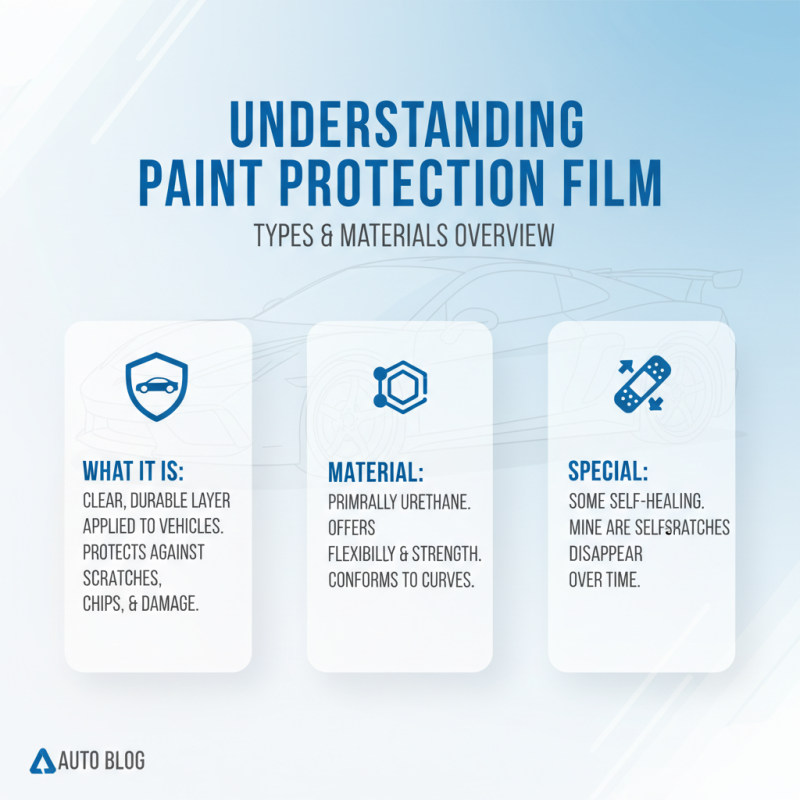
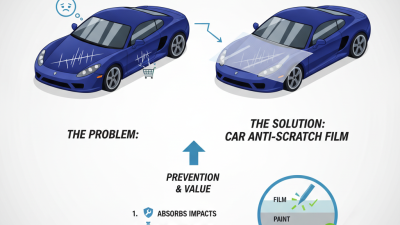
Paint protection film (PPF) is a clear, durable layer applied to vehicle surfaces. It protects against scratches, chips, and other damage. PPF is often made from urethane. This material offers flexibility and strength. It can conform to curves and edges, maintaining the vehicle's appearance. Some types are self-healing, meaning minor scratches disappear over time.
There are different kinds of PPF available. Some films have a matte finish, while others have a gloss finish. The choice depends on personal preference and desired aesthetic. Clear bra films are popular for their transparency. However, not all films are created equal. Some may yellow or peel, which can detract from a car's look. It's essential to research the thickness, warranty, and installation practices of PPF.
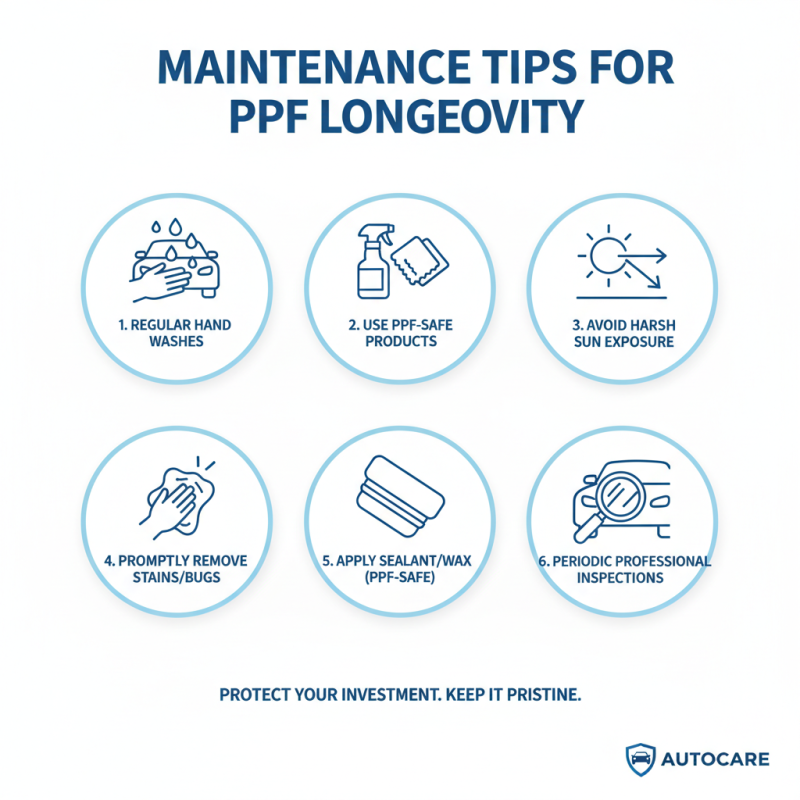
While PPF offers excellent protection, application requires skill. Poor installation can lead to bubbles or misalignment. This can be frustrating to deal with later. Regular maintenance is also needed to keep the film looking pristine. Dirty or damaged areas can stand out and may require a professional touch. Choosing the right film and installation service can make a significant difference.
Key Benefits of Paint Protection Film for Vehicle Preservation
Paint protection film is gaining popularity among vehicle owners. It offers several key benefits for preserving the appearance of your car. One major advantage is its ability to shield your vehicle from scratches and dings. Everyday hazards, like road debris, can cause unsightly damage. The film acts as a barrier between your car and these potential threats.
Another important benefit is that paint protection film helps maintain the car's resale value. A well-protected vehicle shows better wear over time. Buyers are often drawn to cars that look brand new. This makes a significant difference when it's time to sell. Some people overlook this point, yet it can be crucial for future finances.
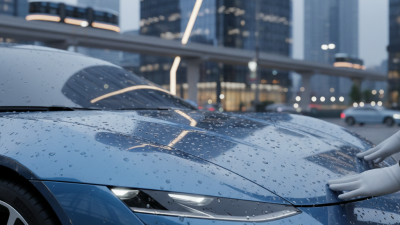
Additionally, the film can help guard against UV rays. These rays can cause paint to fade, leading to a dull appearance. The film helps retain the car's vibrant color for a longer period. Although not perfect, it offers a visual shield that’s both practical and tangible. Some may find the installation process daunting, or worry about bubbles forming. However, with careful application, many of these issues can be minimized.
2026 Top Paint Protection Film Benefits
Application Process: How Paint Protection Film is Installed on Vehicles
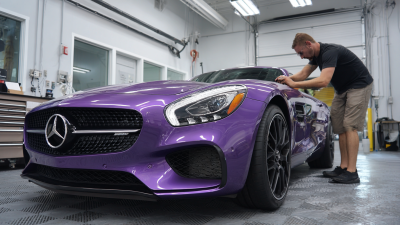
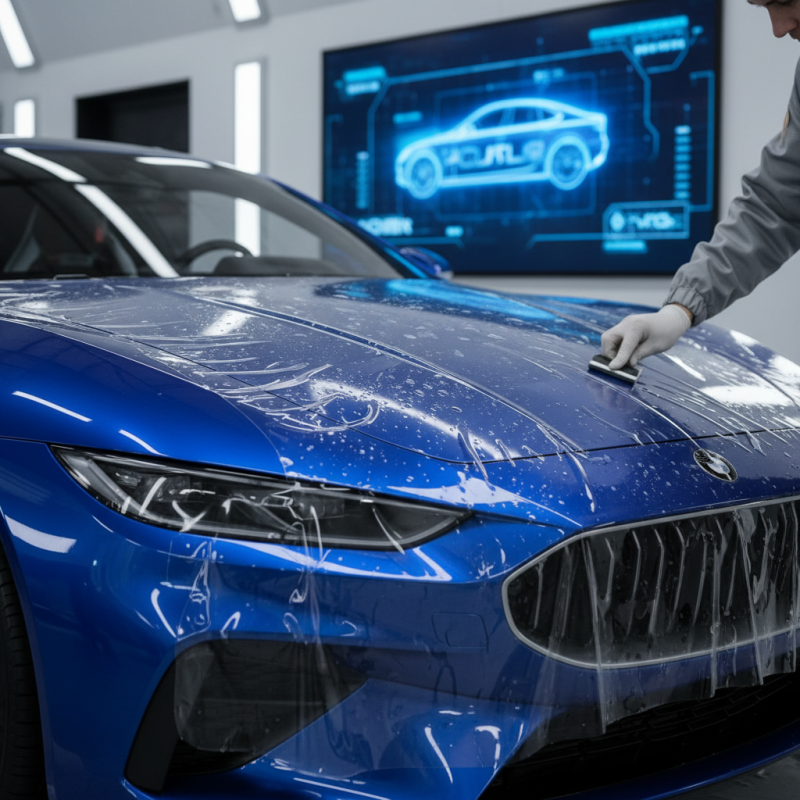
Applying paint protection film involves several careful steps. Firstly, the vehicle's surface must be thoroughly cleaned. Any dirt or debris can lead to imperfections. Inspect for scratches or blemishes that need fixing. A smooth surface is essential for optimal adhesion.
Once the surface is prepped, the film is measured and cut to size. Precision is crucial here. Poor measurements lead to misalignment. After cutting, a solution of water and soap helps in positioning the film. It slides easily across the surface. This step, though simple, can be tricky.
Finally, using a heat gun ensures proper adhesion. It removes air bubbles and excess water beneath the film. This phase requires a steady hand. Not every attempt yields perfection. Mistakes happen, and repositioning may be needed. However, with care, the film can provide excellent protection against chips and scratches. Each installation is a learning experience and reflects growth in skill and technique.
2026 Top Paint Protection Film Benefits and Usage Explained
| Benefit |
Description |
Usage |
Application Process |
| Scratch Resistance |
Protects the vehicle's surface from scratches caused by road debris. |
Ideal for high-impact areas like hoods and bumpers. |
Surface cleaning, precise cutting, and application of the film using a squeegee. |
| UV Protection |
Blocks harmful UV rays that can fade paint over time. |
Recommended for cars parked outdoors frequently. |
Preparation of the surface, measuring, and applying the film with a solution. |
| Self-Healing |
Minor scratches and swirl marks disappear with heat exposure. |
Perfect for daily drivers and show cars alike. |
Application involves heating the film after installation to activate self-healing properties. |
| Enhanced Aesthetics |
Maintains the original look and shine of the paint. |
Commonly used on luxury vehicles or classic cars. |
Film is applied using a transparent material that integrates seamlessly with the paint. |
| Easy Maintenance |
Simplifies washing and waxing processes. |
Useful for all car owners seeking convenience. |
Application requires careful placement to avoid bubbles and ensuring smooth contact. |
Cost Considerations: Pricing and Value of Paint Protection Film in 2026
The cost of paint protection film (PPF) in 2026 varies based on several key factors. Typically, installation costs run between $1,500 and $7,000. This pricing range reflects the complexity of the vehicle and the quality of the film used. While premium options exist, a mid-range choice tends to offer the best balance of performance and value. Many consumers are now seeking long-term benefits instead of immediate savings.
According to industry reports, a vehicle with PPF can retain up to 60% more of its resale value compared to one without. This statistic illustrates that investing in PPF is not merely an expense; it can result in significant returns down the line. Moreover, many motorists overlook the impact of UV damage on their paint jobs. Proper protection can prevent costly repairs and keep vehicles looking newer for longer periods.
Tip: Always compare local installers. Prices and expertise can differ widely. Ensure that you check reviews and ask for samples of previous work. Remember, not all films are created equal. Short-term savings might lead to long-term costs if the film doesn't perform well. Reflect on your choices; the right film can also enhance the car’s appearance.