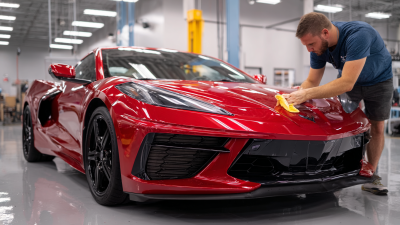
Top 10 Benefits of Ceramic Tint for Your Car Windows You Should Know
As car technology continues to evolve, enhancing the driving experience through advanced materials and innovations has become imperative. Among these advancements,
"Ceramic Tint" has emerged as a game-changer for car window films. Renowned automotive expert,
John Smith, emphasizes the importance of this technology, stating,
"Ceramic Tint not only offers superior heat rejection but also protects the interior of the vehicle while ensuring an elegant finish."
In this article, we will explore the top ten benefits of Ceramic Tint for your car windows, highlighting how it contributes to comfort, safety, and aesthetics.
From reducing glare and UV exposure to improving privacy and enhancing the vehicle's overall look,
Ceramic Tint stands out as an essential upgrade for any car owner. Understanding these advantages is critical for anyone considering the right window tinting options that blend performance with style.
Join us as we delve deeper into the transformative benefits of Ceramic Tint and why it should be at the forefront of your automotive upgrades.
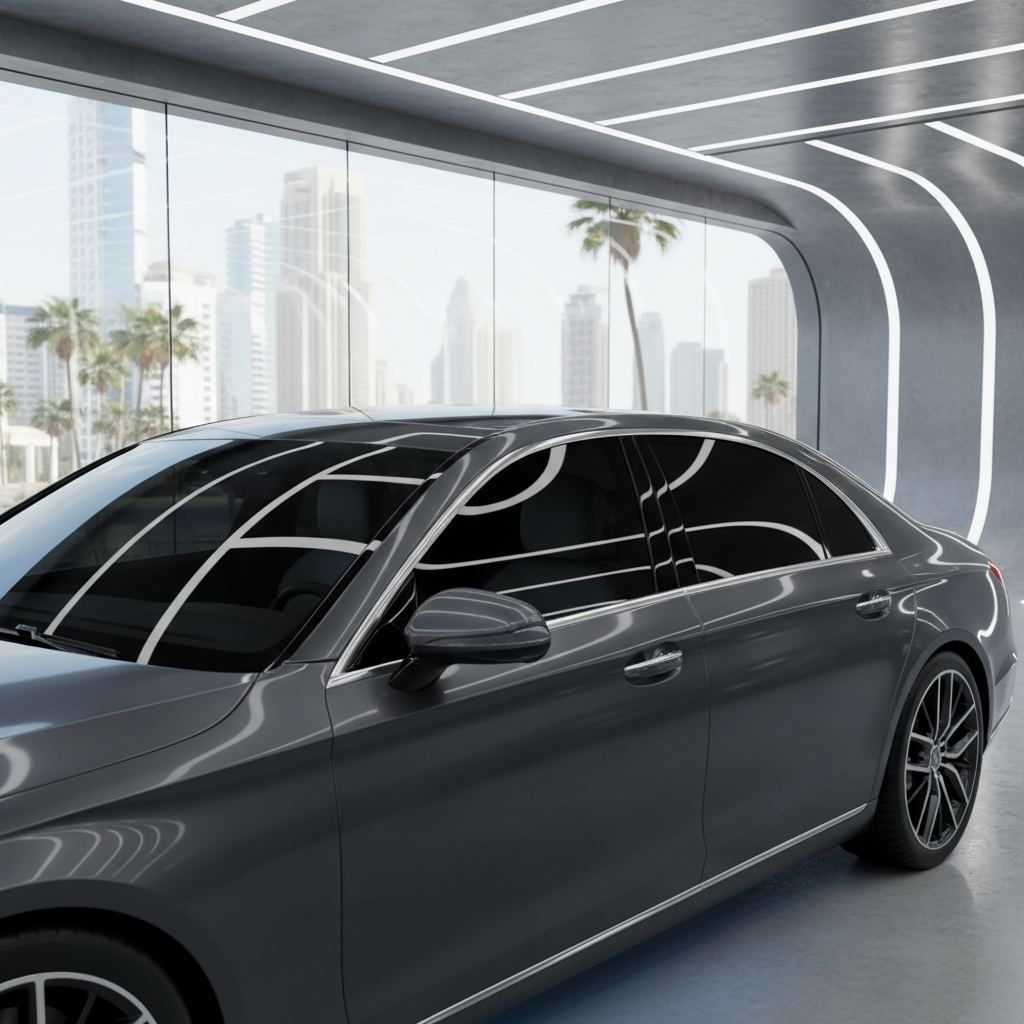
Advantages of Ceramic Window Tint in Reducing Heat: Industry-Supported Data
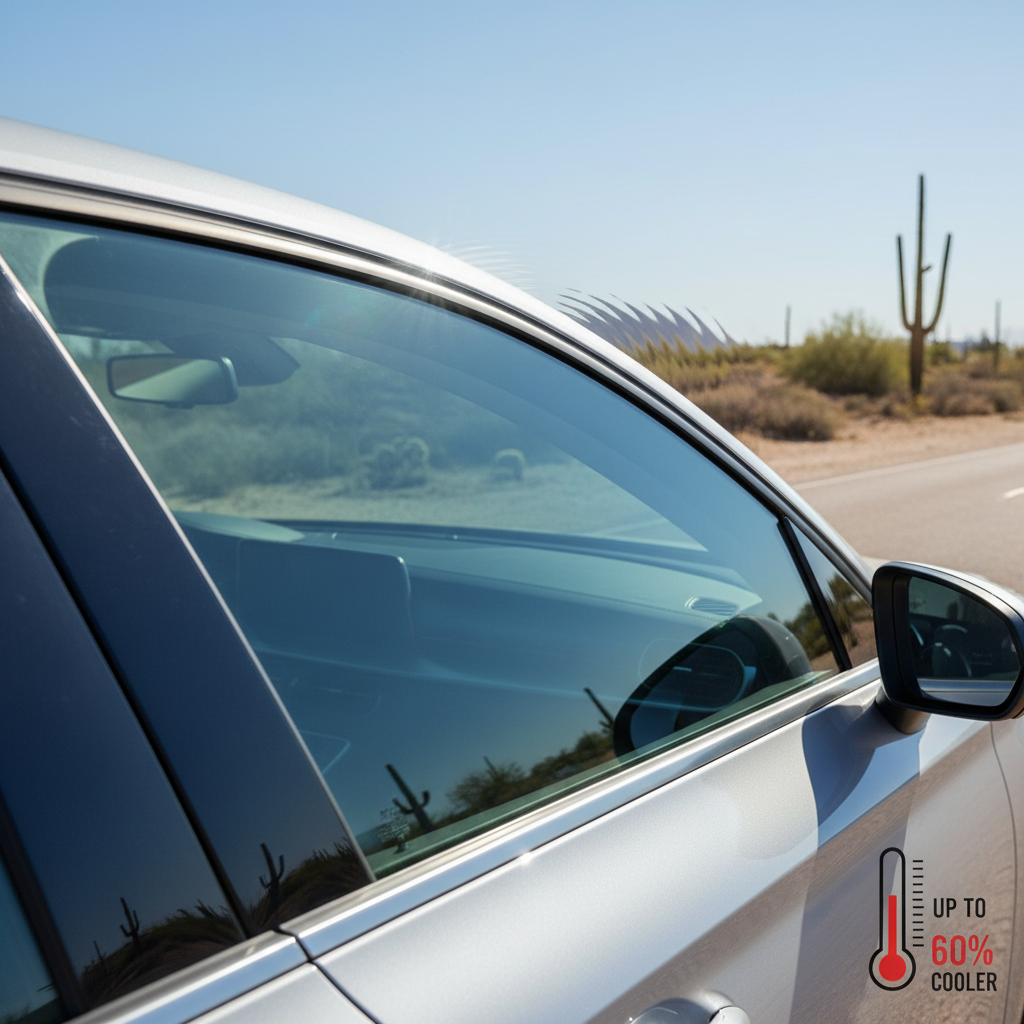
Ceramic window tint offers a range of benefits, particularly in heat reduction, making it an increasingly popular choice among car owners. Unlike traditional films, ceramic tints utilize advanced nanotechnology to block a significant portion of infrared radiation without darkening the glass. This technology enables drivers and passengers to enjoy a more comfortable ride, particularly during the sweltering summer months, by keeping the interior temperature significantly lower. Industry-supported data shows that ceramic films can reduce heat buildup in cars by up to 60%, providing relief from excessive heat while minimizing the need for air conditioning.
Additionally, the efficacy of ceramic tint goes beyond temperature control. The reduction of UV rays—up to 99% with quality ceramic tints—protects both occupants and the vehicle's interior from harmful solar exposure. This not only enhances comfort but also prevents fading and cracking of seats and dashboards, ultimately extending the lifespan of the vehicle’s interior. As more studies validate these advantages, it becomes evident that investing in ceramic window tint provides significant long-term benefits for both heat management and interior preservation.
Enhanced UV Protection from Ceramic Tints: Key Health Benefits Explored
Ceramic tint is rapidly becoming the go-to choice for car owners who prioritize health and comfort. One of the key health benefits of ceramic tints is their exceptional ability to block harmful UV rays. Unlike regular tints, ceramic films can filter out up to 99% of ultraviolet radiation, significantly reducing the risk of skin cancer and other UV-related health issues. This enhanced protection is particularly beneficial for those who spend extended periods in their vehicles, making every drive safer.
When considering ceramic tint for your car, keep in mind that high-quality film can also help maintain your interior. Prolonged exposure to UV rays can fade upholstery and damage dashboard components. By installing ceramic tint, you will not only protect your skin but also preserve the aesthetic and functional features of your vehicle’s interior.
Tip: Always seek professional installation to ensure that the ceramic tint adheres properly and provides the maximum level of UV protection. Additionally, it's wise to check the local laws regarding tint darkness and reflectivity to avoid any legal issues.
Top 10 Benefits of Ceramic Tint for Your Car Windows
Improved Aesthetic Appeal and Privacy with Ceramic Window Film
Ceramic window films have gained popularity in recent years, particularly for their ability to enhance the aesthetic appeal of vehicles while offering added privacy. According to a report by the International Window Film Association (IWFA), over 59% of car owners choose window tinting primarily for its style and appearance improvements. Ceramic tints stand out because of their advanced technology that not only blocks harmful UV rays but also maintains the integrity of a vehicle's exterior design.
In addition to their aesthetic benefits, ceramic window films significantly enhance privacy. By reducing visibility into the car from outside, they provide a protective barrier that deters prying eyes, thus ensuring that personal belongings and passengers remain secure. A study from the Market Research Future (MRFR) indicates that the demand for automotive window films is projected to grow at a CAGR of 5.8% by 2023, largely fueled by consumers' increasing desire for privacy and protection. This growing trend underscores the dual advantages of ceramic tints, making them an essential investment for any car owner looking to combine beauty with functionality.
Top 10 Benefits of Ceramic Tint for Your Car Windows You Should Know
| Benefit |
Description |
Impact |
| UV Protection |
Blocks up to 99% of harmful UV rays. |
Reduces the risk of skin cancer. |
| Heat Rejection |
Keeps the interior of your car cooler. |
Improves comfort and reduces AC usage. |
| Glare Reduction |
Minimizes glare from the sun and headlights. |
Enhances driving visibility and safety. |
| Privacy |
Provides a more confidential driving experience. |
Protects belongings from prying eyes. |
| Aesthetic Appeal |
Enhances the look of your vehicle. |
Increases overall resale value. |
| Safety and Security |
Holds shattered glass together in case of an accident. |
Reduces the risk of injury from flying glass. |
| Fading Prevention |
Helps prevent fading of upholstery and interiors. |
Maintains interior aesthetics over time. |
| Climate Control |
Balances cabin temperature regardless of the season. |
Improves overall comfort and reduces energy costs. |
| Reduced Shattering |
Strengthens windows against breakage. |
Enhances security and peace of mind. |
Longevity and Durability of Ceramic Tints Compared to Traditional Options
Ceramic tints offer exceptional longevity and durability compared to traditional window tinting options. One of the most significant advantages of ceramic tints is their resistance to fading over time. Unlike dyed or metalized films, which may deteriorate and lose their effectiveness due to exposure to UV rays and heat, ceramic films are engineered to withstand these elements.
This means that car owners can enjoy consistent protection and appearance for many years without the need for frequent replacements.
Furthermore, the construction of ceramic tints lends them increased durability against scratches and abrasions. This resilience is crucial for maintaining the integrity of the film over time, especially in environments where road debris and harsh weather conditions are common.
Additionally, ceramic tints do not interfere with electronic devices, making them a superior choice for modern vehicles equipped with advanced technology.
Overall, the longevity and durability of ceramic tints make them an intelligent investment for car owners seeking long-term performance and quality.
Cost-Effectiveness of Ceramic Tints: ROI Through Energy Savings and Increased Vehicle Value
Ceramic window tints have gained popularity not only for their aesthetic appeal but also for their cost-effectiveness, particularly when considering return on investment (ROI) in terms of energy savings. These tints help regulate the temperature inside the vehicle by blocking out a significant portion of solar heat. Consequently, this can lead to lower reliance on air conditioning, resulting in reduced fuel consumption and energy costs over time. With the rising emphasis on energy efficiency across various sectors, including automobile maintenance and services, investing in ceramic tints can be viewed as a proactive step in achieving long-term savings.
Furthermore, ceramic tints can enhance the overall value of a vehicle. By protecting the interior from harmful UV rays and reducing heat buildup, these tints prevent the fading and degradation of upholstery, maintaining the vehicle's pristine condition. This aspect becomes especially relevant as consumers increasingly seek energy-efficient and environmentally friendly solutions, similar to the ongoing trends in industries like car washes, which are now focusing on sustainable practices to minimize costs. Thus, just as a net-zero carwash maximizes resource efficiency through innovation, installing ceramic window tints underscores a commitment to cost-effectiveness and sustainable vehicle care.