What is Ceramic Tint and How Does It Benefit Your Vehicle?
Ceramic Tint is gaining popularity among vehicle owners for its unique benefits. Industry expert, John Smith, states, “Ceramic Tint offers unmatched heat rejection and UV protection.” This innovation provides much more than just aesthetics.
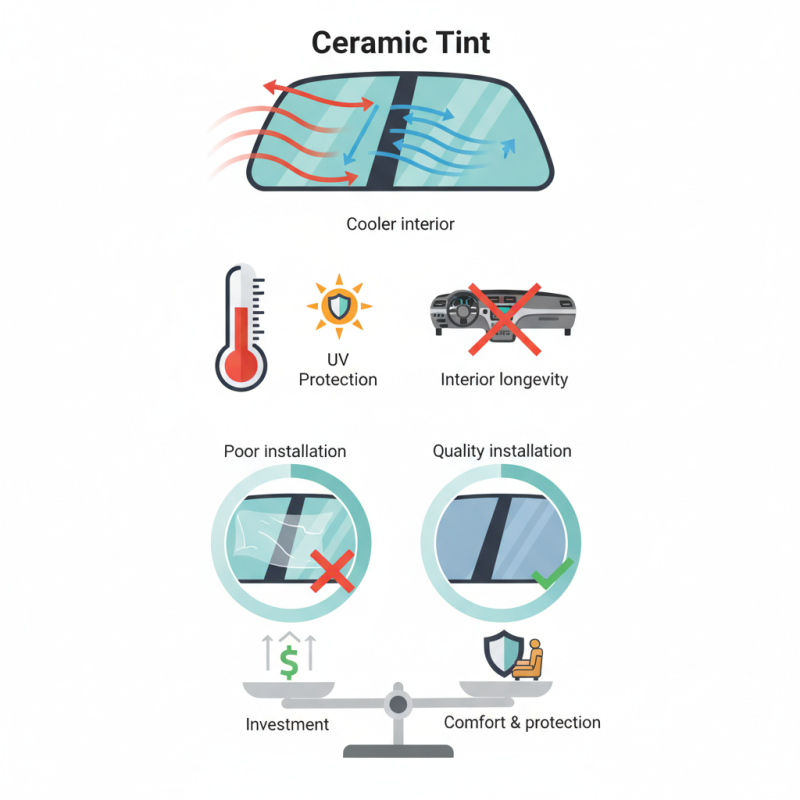
Ceramic Tint uses advanced technology to block harmful rays. It can lower cabin temperatures significantly. This leads to a more comfortable ride. Additionally, it helps protect your car’s interior from fading. The application of Ceramic Tint can feel overwhelming at times.
Finding the right installer requires research. Not all products are created equal, and the quality varies. A poor installation can lead to peeling or bubbling. It’s crucial to weigh your options carefully. Ultimately, Ceramic Tint can be a wise investment for your vehicle, enhancing both comfort and longevity.
What is Ceramic Tint?
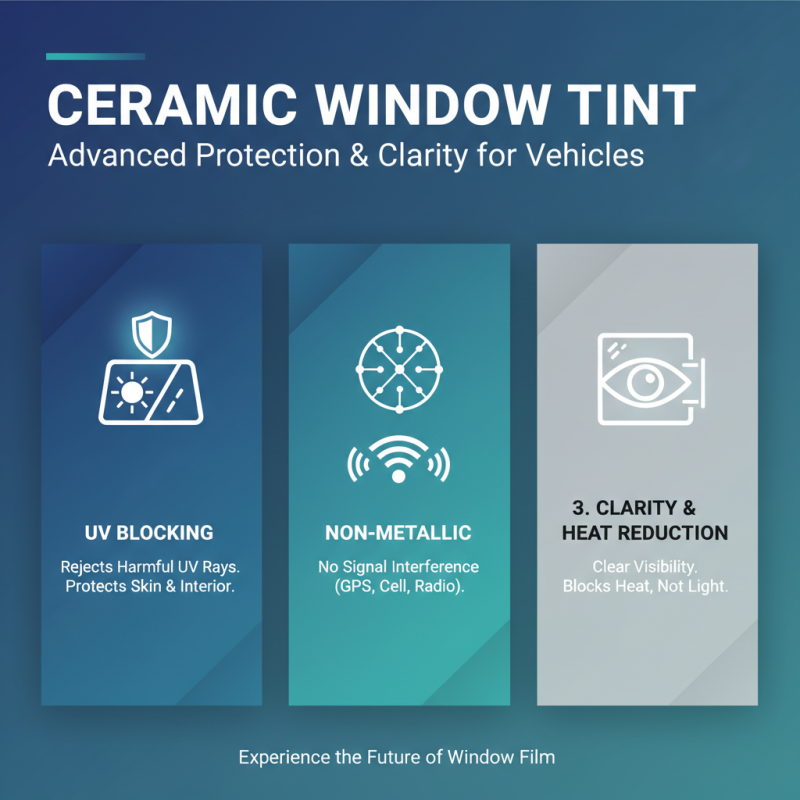
Ceramic tint is a modern window film that uses advanced technology. Unlike traditional tints, it contains ceramic particles that block heat without sacrificing visibility. This unique composition allows for a clear view while significantly reducing harmful UV rays. Studies show that ceramic tints can block up to 99% of UV light. This level of protection is crucial for maintaining the interior of your vehicle.
The film also provides thermal regulation. It reflects infrared rays, keeping the car cooler on hot days. In fact, a study by the International Window Film Association suggests that ceramic tints can reduce cabin temperature by up to 30%. This can lead to less reliance on air conditioning, potentially saving fuel and increasing comfort.
While ceramic tint offers many benefits, installation requires precision. If not applied correctly, bubbles or peeling could occur. It's vital to choose a skilled installer for the best results. This technology may be more expensive than traditional films, yet it often proves to be a worthwhile investment in the long run.
What is Ceramic Tint and How Does It Benefit Your Vehicle?
| Benefit |
Description |
Longevity |
UV Protection |
| Heat Reduction |
Ceramic tint reduces heat by blocking infrared rays, improving comfort inside the vehicle. |
10+ years |
99% UV protection |
| Glare Reduction |
Minimizes glare from sunlight and headlights, enhancing visibility and safety. |
10+ years |
99% UV protection |
| Clear Visibility |
Maintains clear visibility without darkening windows excessively. |
10+ years |
99% UV protection |
| Enhanced Privacy |
Provides a level of privacy without compromising visibility for the driver. |
10+ years |
99% UV protection |
The Composition and Technology Behind Ceramic Tint
Ceramic tint is an innovative window film designed for vehicles. It is made from advanced ceramic particles. These particles are non-metallic and non-conductive. This unique composition offers several advantages. Unlike traditional tints, ceramic tint allows for clear visibility while blocking harmful UV rays.
The technology behind ceramic tint is fascinating. It combines durability with effective heat rejection. The nano-ceramic particles create a barrier against infrared radiation. This helps maintain a comfortable interior temperature. It also protects against fading and damage from sunlight. Moreover, ceramic tint does not interfere with electronic signals in vehicles. This is a common issue with metallic tints.
While ceramic tint offers many benefits, installation must be done carefully. Improper installation can lead to bubbles and peeling. It requires skilled technicians to ensure a perfect finish. Over time, some may notice slight discoloration. This can be frustrating for vehicle owners. Regular maintenance and cleaning can help preserve its appearance. Ultimately, understanding ceramic tint's composition is key to appreciating its value.
Benefits of Ceramic Tint for Vehicle Protection
Ceramic tint has gained popularity among vehicle owners for its protective qualities. One of the key benefits is heat rejection. This tint blocks a significant amount of infrared rays. As a result, your vehicle stays cooler on hot days. Reduced heat means less reliance on air conditioning. You might save on fuel costs too.
Another advantage is glare reduction. Ceramic tint minimizes harsh sunlight. This creates a more comfortable driving experience. You can focus better on the road. Moreover, it protects your skin from harmful UV rays. These rays can lead to skin damage over time. With ceramic tint, you shield yourself and your passengers.
Visibility can be a concern with darker tints. However, ceramic options maintain clarity. They allow for a clear view without compromising privacy. This balance is crucial for drivers. Still, some might find it challenging to decide on the right shade. It's important to reflect on what works best for your needs. Consider both the aesthetic and functional aspects carefully.
How Ceramic Tint Improves Interior Comfort
Ceramic tint is becoming increasingly popular for enhancing vehicle comfort. Unlike traditional tints, it uses advanced ceramic particles. These particles block UV rays and infrared heat effectively. According to industry reports, ceramic tint can reduce interior temperatures by up to 20 degrees Fahrenheit. This significant temperature drop can make a huge difference on hot summer days.
By maintaining cooler interior temperatures, ceramic tint also protects interior surfaces. Dashboard plastics can fade over time due to sun exposure. With ceramic tint, this fading can be dramatically reduced. Research suggests that vehicles with proper tinting can retain their value longer. Yet, some may find the installation process tricky or costly. This factor is a concern for many vehicle owners.
Moreover, the improved comfort leads to a better driving experience. A cooler car means less dependence on air conditioning. This can result in better fuel efficiency. But the tinted windows may obstruct some visibility in low light. It's essential to find the right balance between comfort and safety. Clarity may be compromised, which is worth reflecting on.
Installation Process and Maintenance of Ceramic Tint
The installation of ceramic tint involves several precise steps. First, the vehicle’s windows are carefully cleaned to remove dirt and debris. Any residue can lead to imperfections in the tint's application. A protective film is then measured and cut to fit each window accurately. Studies show that improper installation can reduce the film's effectiveness by up to 40%.
Once the film is cut, it is applied to the window surface. This requires a steady hand and attention to detail. Using a heat gun can help the film conform to the window’s curves. Many installers use a squeegee to ensure no bubbles are trapped underneath the film. If bubbles are not resolved, they might lead to peeling later on, which is something installers must address.
Maintenance is crucial for longevity. Ceramic tint is resistant to scratches and fading, but it still needs care. Regular cleaning with a gentle solution is recommended. Avoid abrasive materials that can damage the tint. Reports indicate that a well-maintained ceramic tint can last over a decade without significant decline. To protect the investment, revisit your installation for potential touch-ups. Ensuring the tint remains in optimal condition can sometimes require more attention than anticipated.