Top Benefits of Tpu Film in Various Applications and Industries?
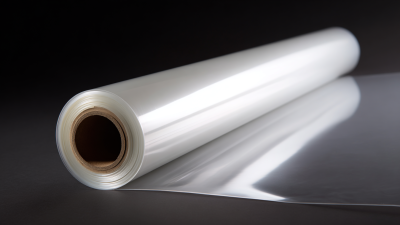
The rise of TPU Film in various industries has garnered much attention. Renowned expert Dr. Emily Chen, a leading figure in polymer technology, states, "TPU Film is revolutionizing manufacturing processes across multiple sectors." This innovative material is known for its versatility and performance.
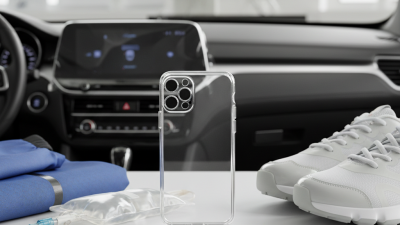
TPU Film offers remarkable benefits, including flexibility, durability, and resistance to abrasion. These qualities make it ideal for automotive, electronics, and medical applications. In automotive manufacturing, TPU Film provides superior protection against wear. Its lightweight nature contributes to fuel efficiency in vehicles. In the electronics sector, it offers excellent insulation properties.
Despite its advantages, challenges remain in the TPU Film industry. Recycling and sustainability are still areas needing improvement. Companies are exploring ways to enhance the eco-friendliness of TPU products. Future perspectives look promising, yet the industry must address these pressing issues for growth. Overall, TPU Film continues to shape the landscape of modern manufacturing.
Benefits of TPU Film in the Automotive Industry: A Data-Driven Overview
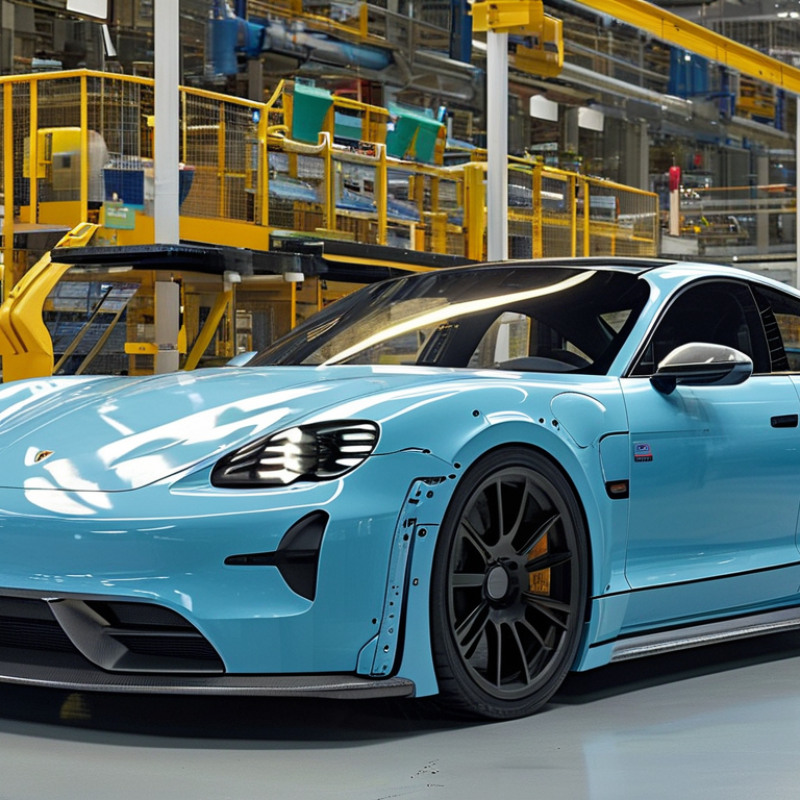
The automotive industry is increasingly harnessing the advantages of thermoplastic polyurethane (TPU) film. One key benefit is its flexibility. TPU film can be molded into various shapes, allowing it to conform to intricate designs in vehicles. This adaptability is essential for producing components like dashboards and door panels, enhancing both aesthetics and functionality.
Durability is another significant advantage. TPU film boasts excellent abrasion resistance, protecting surfaces from wear and tear. In vehicles, this means longer-lasting interiors that can withstand daily use. Additionally, TPU film is resistant to chemicals, making it ideal for applications near oils and fuels commonly found in automotive settings. This resistance contributes to a cleaner, more reliable environment inside vehicles.
However, challenges remain in the widespread adoption of TPU. Not all manufacturers have access to the latest technology needed for optimal processing. Furthermore, the costs associated with high-quality TPU materials can be prohibitive, especially for smaller companies. These factors may slow down the full integration of TPU films in the automotive sector, despite their clear benefits. Addressing these issues is crucial for realizing the full potential of TPU film in enhancing vehicle design and performance.
Top Benefits of TPU Film in the Automotive Industry
Applications of TPU Film in Electronics: Enhancing Durability and Functionality
Thermoplastic polyurethane (TPU) film is becoming a vital component in the electronics industry. Its unique properties enhance both durability and functionality of electronic devices. According to a report by MarketsandMarkets, the global TPU market is expected to reach $4.12 billion by 2025, indicating a rising demand for its applications in various sectors.
In electronic devices, TPU film offers excellent abrasion resistance and flexibility. This enhances the lifespan of products like smartphones and tablets. Devices encased in TPU film show a significant drop in damage rates. A study noted that protective TPU covers reduced screen cracks by over 60%. This statistic illustrates the material's protective capabilities, although further independent studies would solidify these claims.
Furthermore, flexibility can enhance device performance. TPU film’s lightweight nature allows for thinner designs. Thinner devices are often more desirable, but balancing performance with protection remains a challenge. Manufacturers must continuously innovate to ensure that optimizing weight does not compromise durability. Exploring various formulations of TPU could provide solutions but is an area needing more extensive research and feedback from users.
The Role of TPU Film in Medical Devices: Safety and Compliance Statistics
TPU film is gaining significant traction in the medical device industry due to its versatility and safety features. This material is biocompatible, meaning it can safely interact with the human body. This quality is vital for components used in surgical applications or long-term medical implants. TPU film withstands sterilization processes, offering reliability for various medical supplies.
Compliance is critical in medical device manufacturing. TPU film often meets the strict regulations set by health authorities. Many devices require rigorous testing for safety and effectiveness. In fact, studies show that TPU film consistently scores well in safety benchmarks. Its durability against wear and tear makes it a trustworthy choice for medical environments. However, manufacturers must remain vigilant during production to avoid potential contaminants.
Challenges exist in sourcing quality TPU film. Not all suppliers guarantee consistency in material quality. Furthermore, the recycling of TPU poses logistical difficulties. As the industry grows, it is vital to reflect on these issues. Continuous improvement in sourcing and quality assurance is essential. The future of TPU in medical devices hinges on overcoming these hurdles while prioritizing safety and compliance.
Environmental Impact: TPU Film’s Recyclability and Sustainability Metrics
Thermoplastic polyurethane (TPU) film has gained significant attention for its versatility and environmental benefits. Its recyclability is one of the standout features. Industry reports show that TPU is 100% recyclable. This means end-of-life products can be processed and reformed into new products without losing quality.
Furthermore, TPU film is produced with a lower environmental footprint than traditional materials. According to the Sustainable Plastic Research Institute, TPU requires fewer resources in its lifecycle, cutting down on greenhouse gas emissions. Manufacturers are increasingly recognizing TPU’s potential for sustainability in various applications, from automotive to medical devices.
Tips: Consider the end-of-life options when selecting materials. Look for TPU products that emphasize recyclability. This choice contributes positively to sustainability efforts.
While TPU's benefits are clear, not all TPU films are created equal. Some may still pose challenges in terms of degradation time when improperly disposed of. Industry feedback indicates that consistent recycling infrastructure needs to be improved. Balancing performance and sustainability is an ongoing challenge for manufacturers.
Cost-Effectiveness of TPU Film Across Various Manufacturing Processes
Thermoplastic polyurethane (TPU) film has gained significant attention in various manufacturing processes due to its cost-effectiveness. This material offers a blend of flexibility and durability that many industries require. The relatively low material cost allows manufacturers to reduce production expenses without compromising quality. Additionally, TPU film can be processed through various methods, making it versatile across applications.
One notable advantage is its efficiency in production. Utilizing TPU film can minimize waste during manufacturing. This efficiency translates to lower overall costs, enabling companies to allocate budgets wisely. Moreover, TPU's fast processing time contributes to quicker turnaround for projects. Such efficiency can be particularly beneficial for small businesses looking to optimize resources.
Yet, there are aspects to consider. Not all production methods suit TPU film perfectly. Some processes might need adjustments for optimal results. Companies must weigh the benefits against potential operational challenges. By understanding these factors, manufacturers can make informed decisions about incorporating TPU film into their processes. This approach ultimately enhances cost management while ensuring product integrity.