2026 Best Ceramic Tint for Home and Car Protection Tips?
When it comes to protecting your home and car, choosing the right ceramic tint is crucial. Ceramic tint offers superior heat rejection, UV protection, and durability compared to traditional films. Many homeowners and car owners seek ways to enhance comfort and safeguard interiors from fading. This is where ceramic tint shines.
The market for ceramic tint has evolved significantly, with numerous options available. Finding the best one for your needs can be daunting. Factors such as installation quality, warranty, and brand reputation play vital roles. Not all products live up to expectations, and reviews can often be mixed. It's essential to conduct thorough research.
Additionally, professional installation is key to achieving optimal results. Even the best ceramic tint might underperform if applied improperly. Engage with certified installers who understand the nuances of the material. Look for experts in tint application. With the right choices, ceramic tint can deliver long-lasting protection and enhance aesthetic appeal for years to come.
2026 Trends in Ceramic Window Tint Technology for Vehicles and Homes
In 2026, ceramic window tint technology continues to advance, offering better protection for vehicles and homes. These tints provide superior heat rejection and UV protection. The latest innovations focus on enhancing durability and clarity, which is essential for maintaining aesthetic appeal. Users are increasingly looking for options that blend performance with visual quality.
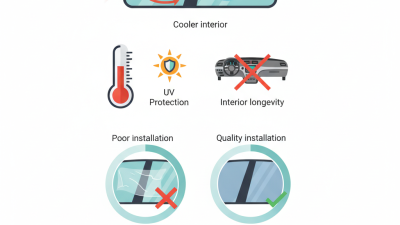
When considering ceramic tint, keep these tips in mind. First, always seek professional installation to ensure a seamless finish. Improper installation can lead to peeling or bubbling, lessening its effectiveness. Next, research the specific heat rejection rates and UV protection levels. Not all ceramic tints are created equal. Understanding these factors can help make an informed choice.
Also, think about the longevity of the product. Some brands claim lifetime warranties, but not all hold up in real-world conditions. Reflect on user reviews and expert opinions to gauge true performance. With ceramic tints, the right choice can enhance comfort and add value to your property.
2026 Trends in Ceramic Window Tint Technology for Vehicles and Homes
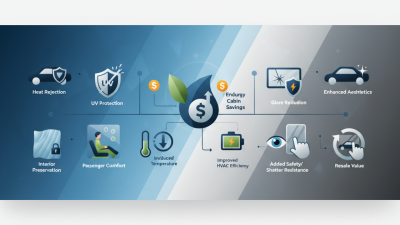
This chart illustrates the percentage growth in popularity of different ceramic window tint technologies for 2026. The data shows how consumer preferences are shifting towards enhanced UV protection, heat rejection, and glare reduction features.
Key Benefits of Using Ceramic Tint: UV Protection and Heat Rejection
Ceramic tint offers significant advantages for both homes and vehicles. One major benefit is UV protection. Harmful UV rays can lead to skin damage and fading of interior furnishings. Ceramic tint can block up to 99% of these rays. This feature helps maintain a comfortable living space while protecting occupants from potential health risks.
Another crucial aspect is heat rejection. Ceramic tint reflects a substantial amount of solar heat. This results in reduced energy costs for cooling your home or car. Choosing a quality ceramic tint can help create a more temperate environment. However, installation requires precision and care. A poorly applied tint can lead to bubbling and peeling, compromising effectiveness.
Consider your specific needs when selecting tint. Not all ceramic films are created equal. While some may excel in UV protection, others might focus on heat rejection. Research and compare different options. Consult with professionals to ensure proper installation. Awareness of potential flaws in your choice can guide you toward a more informed decision.
Comparative Analysis: Ceramic Tint vs. Other Tint Types in 2026
Ceramic tint has gained popularity in recent years for both home and car applications. This material excels in heat rejection, UV filtration, and glare reduction. According to the International Window Film Association, ceramic window films can block up to 99% of harmful UV rays. This significantly protects upholstery and reduces skin damage. Traditional tints, like dyed or metalized films, offer less durability.
In 2026, a comparative analysis reveals that ceramic films outperform other types in terms of longevity. Research indicates ceramic tints can last 10 years or more without fading. In contrast, dye-based films typically degrade within five years. Users often find ceramic films more aesthetically pleasing. They maintain clarity without the metallic sheen that some users dislike.
Admittedly, ceramic tint can be pricier than alternatives. However, the long-term benefits often justify the initial investment. Homeowners and car owners need to weigh upfront costs against durability and performance. Not all installers provide expert service, which can impact the effectiveness of the tint. Quality installation is as crucial as selecting the film type. Review your options and seek certified professionals for the best results.
Application Techniques for Optimal Ceramic Tint Installation
When installing ceramic tint, proper techniques are crucial for achieving the best results. Begin by thoroughly cleaning the surface. Any dust or debris can lead to imperfections. Use a lint-free cloth and a window cleaner designed for tint applications. This step seems simple, but skipping it often results in air bubbles.
Measure and cut the film with precision. Use a sharp utility knife for clean edges. It’s common to underestimate the size needed. Always leave a little extra on the edges. This allows for mistakes and adjustments during the application. Take your time when applying the tint. Rushing often leads to misalignment and wrinkles.
During installation, use a squeegee to smooth out the film. Start from the center and work your way out. This technique helps eliminate trapped air. However, be cautious; applying too much pressure can damage the film. Keep a spray bottle with a soapy solution handy. It makes positioning the tint easier. Remember, practice makes perfect, and every installation can vary. Each attempt is a chance to refine your technique.
Choosing the Right Ceramic Tint Shade for Privacy and Visibility
When selecting a ceramic tint shade for your home or car, privacy and visibility are critical factors. Studies show that darker shades provide better privacy but can reduce visibility. A report from the International Window Film Association indicates that a 35% tint allows adequate light while still offering a degree of privacy. This shade balances comfort and visibility, especially during nighttime driving.
Consider local laws regarding tinting. In some regions, regulations restrict how dark your tint can be. Understanding these laws helps avoid penalties. Many drivers opt for a 50% tint for legality and safety, as it permits more light while maintaining a level of privacy. Yet, this choice might not fully satisfy those wanting significant concealment from prying eyes.
The right shade should enhance aesthetic appeal without compromising security. Evaluate how the tint affects your daily routine. A car with a very dark tint may look sleek but can hinder visibility in dim conditions. Ultimately, the perfect ceramic tint is about personal preference while considering practicality and compliance with local regulations. Always take time to reflect on how your choice affects safety and comfort.
2026 Best Ceramic Tint for Home and Car Protection Tips
| Type |
Shade |
Privacy Level |
Heat Rejection (%) |
UV Protection (%) |
| Car Tint |
20% |
High |
99% |
99% |
| Home Window Tint |
15% |
Very High |
97% |
99% |
| Car Tint |
35% |
Medium |
70% |
99% |
| Home Window Tint |
50% |
Low |
60% |
99% |