Best Ceramic Tint Options for Your Vehicle Windows?
Choosing the right ceramic tint for your vehicle windows is crucial. The right option can enhance your car's overall appearance and provide numerous practical benefits. Ceramic tint is known for its advanced technology and superior performance.
This type of tint blocks harmful UV rays and reduces heat buildup inside your car. Imagine stepping into a cooler vehicle on a hot summer day. It also protects your interior from fading. However, not all ceramic tints are created equal. You may find varying levels of quality and performance.
As you explore the best ceramic tint options, consider factors such as durability and warranty. Some brands may promise significant benefits but deliver less than expected. It's worth taking the time to research. Be prepared for a bit of trial and error as you find the perfect match for your vehicle.
Best Ceramic Tint Options for Vehicle Windows: An Overview
When choosing the best ceramic tint for vehicle windows, several factors come into play. Ceramic window tints provide excellent heat rejection, often up to 99%. They block harmful UV rays, keeping the interior cool and protecting against fading. According to industry reports, over 70% of vehicle owners see a significant reduction in cabin temperature with quality ceramic films. They are durable and scratch-resistant, making them a long-term investment.
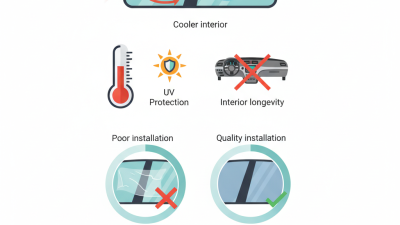
However, not all ceramic tints are created equal. Some may not meet local regulations, which can lead to issues later. Ensuring that the tint is installed correctly is vital for performance. Poor application can result in bubbles or peeling, which diminishes aesthetic and functional benefits. Research indicates that professional installation can enhance the lifespan of the tint, with expectations of about five to ten years if maintained well.
Consider that even the best tints will fade over time. The need for replacement should be anticipated. Regular checks for discoloration or delamination are essential. Many users overlook how extreme temperatures can affect the performance of these films. Acknowledging these realities can help vehicle owners make informed choices that align with their expectations.
Best Ceramic Tint Options for Vehicle Windows
This chart illustrates the effectiveness of various ceramic tint options for vehicle windows based on heat rejection percentage and UV protection. Each option is rated on how well it blocks heat and harmful UV rays, providing insights for car owners looking for the best ceramic tint for their vehicles.
Understanding Ceramic Window Tint: What Makes It Different?
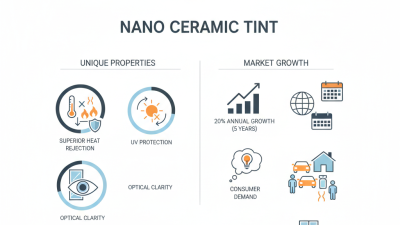
Ceramic window tint stands out due to its unique properties. Unlike traditional tints, ceramic film utilizes advanced nanotechnology. This allows it to block heat and UV rays effectively. With ceramic tint, you can enjoy cooler interiors during hot days. It also helps in reducing glare from sunlight.
The difference lies in its composition. Ceramic tints are non-metallic, ensuring clear visibility. They do not interfere with electronic devices in your vehicle. Many users appreciate the durability and scratch resistance of ceramic films. They can last longer without fading or bubbling.
However, installation can be tricky. Precision is key. Imperfections may arise if not applied correctly. Some may overlook the importance of professional installation. The cost can also be a concern for many car owners. Balancing budgets with quality can lead to tough choices. Implementing ceramic tint requires careful thought, but the benefits can be worth the investment.
Key Benefits of Ceramic Tint: Heat Rejection and UV Protection Data
Ceramic tint options for vehicle windows offer significant benefits, particularly in
heat rejection and UV protection. Recent industry reports indicate that ceramic films can block up to
99% of harmful UV rays. This level of protection is crucial. Prolonged exposure to UV radiation can lead to
skin cancer and other health issues. Moreover, the interior of vehicles stays cooler, preventing fabric fading and dashboard cracking.
In terms of heat rejection, ceramic tint can reduce interior temperatures by up to
40%. Studies show that a standard vehicle without tint can reach dangerous heat levels inside, especially during summer. Such temperatures can make it uncomfortable and unsafe for passengers. The right ceramic tint helps maintain a
more stable climate inside the vehicle, enhancing comfort during those sweltering days.
However, it's important to consider
installation quality. An improperly applied film can bubble or peel, compromising effectiveness. Some consumers report dissatisfaction when tints do not meet expectations in performance.
Investing in professional installation can mitigate these issues. Users should research thoroughly and weigh performance against durability for their vehicle's specific needs.
Top Brands and Their Ceramic Tint Performance Ratings
When choosing ceramic tint for vehicle windows, performance ratings play a vital role. Not all ceramic tints are equal in quality. A comprehensive report indicates that the top-rated ceramic tints offer high UV rejection percentages. Many brands claim UV protection exceeding 99%. However, actual performance can vary.
Heat rejection is another key factor. Some tints provide up to 70% infrared heat rejection. This feature can significantly impact cabin temperature and reduce reliance on air conditioning. Yet, not every product on the market meets these high standards. Consumer feedback highlights situations where the tint does not perform as expected under extreme weather conditions.
Durability is crucial too. A well-rated ceramic tint can resist scratches and fading. Longevity is often guaranteed for up to a decade. But, many users report inconsistencies in their experience. Some find that chips or bubbles appear far too soon. The range of product availability can also confuse consumers, making it hard to choose the right option.