Best Paint Protection Film for Cars in 2026 What to Know?
In 2026, the demand for Paint Protection Film (PPF) continues to surge in the automotive industry. Research indicates that the PPF market is projected to grow significantly, driven by rising consumer awareness about vehicle preservation. According to a report by MarketsandMarkets, the PPF market is expected to reach $800 million by 2026, reflecting a robust annual growth rate.
Experts stress the importance of quality when selecting Paint Protection Film. John Carter, a leading industry specialist, notes, “Investing in a high-quality PPF can save vehicle owners thousands in the long run.” This insight highlights not just the cost, but the long-lasting benefits of effective protection against scratches, road debris, and UV damage.
However, the market is not without challenges. With numerous brands and varying quality, consumers often face confusion. Not all PPF products offer the same level of protection or longevity, raising concerns about reliability. This inconsistency in the industry requires consumers to do thorough research and consider professional recommendations before making a decision.

Best Paint Protection Film Materials: An Overview of 2026 Options
In 2026, the choice of paint protection film (PPF) materials has expanded significantly. Polyurethane and vinyl films are among the most popular selections. According to a recent industry report, the global PPF market is projected to grow by 15% annually through 2028, driven by increasing consumer awareness of vehicle maintenance. Many car enthusiasts are prioritizing long-lasting protection against chips and scratches.
Although polyurethane films have outstanding self-healing properties, they can be costly. The average price per square foot can reach $15. Vinyl films are less expensive, averaging around $8 per square foot. However, they may not offer the same high-level durability. Each type has its pros and cons. Users often reflect on what fits their needs best and budget constraints.
Reflecting on real-world experiences, it’s noted that installation quality can vary widely. A poorly applied film may lead to bubbles or peeling. Such challenges highlight the importance of professional installation. Car owners must weigh the benefits and potential drawbacks of each material, ensuring they invest wisely in paint protection for their vehicles.
Best Paint Protection Film for Cars in 2026
| Film Type |
Thickness (mil) |
UV Protection (%) |
Self-Healing Property |
Warranty (Years) |
| TPU (Thermoplastic Polyurethane) |
8 |
99 |
Yes |
10 |
| PVC (Polyvinyl Chloride) |
6 |
95 |
No |
5 |
| Self-Healing Polymer |
9 |
98 |
Yes |
7 |
| Multi-Layered |
10 |
97 |
Yes |
8 |
| Nano Ceramic Film |
7 |
96 |
No |
6 |
Durability Ratings: Evaluating Paint Protection Films for Cars in 2026
When considering paint protection films for cars in 2026,
durability ratings are critical. Many industry reports highlight that films with higher resilience often have greater longevity.
For instance, top-rated films can withstand UV rays, scratches, and chemical spills better than their lesser-rated counterparts.
A recent study indicated that high-quality films could last up to 10 years, even under harsh weather conditions.
Evaluating different brands, a notable factor is the thickness of the film.
Thicker films often offer more protection. However, while they may block more damaging elements,
they can also be less flexible. This rigidity can lead to cracking over time,
especially if not installed correctly. Installation plays a crucial role in how well a film performs,
and improper installation can nullify all other advantages.
Tips: Always check for warranty information. A longer warranty often indicates confidence in the product's durability.
Furthermore, consider environmental conditions to choose the best film for your needs.
Test samples in smaller areas before full application to ensure compatibility with your vehicle’s surface.
Key Features to Consider: Thickness, Clarity, and Self-Healing Properties
When choosing the best paint protection film for your car, consider thickness, clarity, and self-healing properties.
Thickness is crucial. Thicker films typically offer better protection against scratches and dings. A good standard thickness ranges from 6 to 8 mils. However, some users feel thicker films can make the surface look less smooth.
Clarity should not be overlooked. A transparent film provides an invisible layer of defense. It keeps your car looking pristine. Look for films that maintain high clarity in various light conditions. Some films may yellow over time, which is a common concern for many car owners.
Self-healing properties are a game changer. They allow minor scratches to disappear when exposed to heat. This means your car can maintain a fresh appearance longer. Yet, not all self-healing films are equally effective. Some might require more heat than others to activate their self-healing abilities.
Tip: Look for user reviews mentioning real-world experiences with longevity and healing efficiency. It’s valuable to hear from fellow car enthusiasts about their choices. Always ask for samples to evaluate texture and clarity before making a commitment.
Cost Analysis: Comparing Paint Protection Film Prices and Lifespan in 2026
When analyzing the cost of paint protection film in 2026, several factors come into play. Prices vary significantly based on the quality of the film and the installation process. Some films might seem affordable at first glance, but hidden costs could arise. For instance, professional installation can add to your overall expenses. Many films offer different lifespans, from 5 to 10 years. However, a longer lifespan usually means a higher upfront cost.
Tip: Always inquire about warranty options. They can help you understand the expected lifespan of the product. Choosing wisely can save you money in the long run. Also, consider your driving habits. If you often drive in harsh conditions, investing in a more durable film may be worthwhile.
It's important to note that cheaper options may not provide adequate protection. They could yellow or peel faster. This may lead to more frequent replacements. Investing in quality may seem steep initially, but it could prevent long-term damage. Regular maintenance is essential, too. Neglecting this can reduce the film’s effectiveness and lifespan. Make sure to follow care instructions closely.
Best Paint Protection Film Cost Analysis in 2026
Installation Methods: Professional vs. DIY for Paint Protection Films in 2026
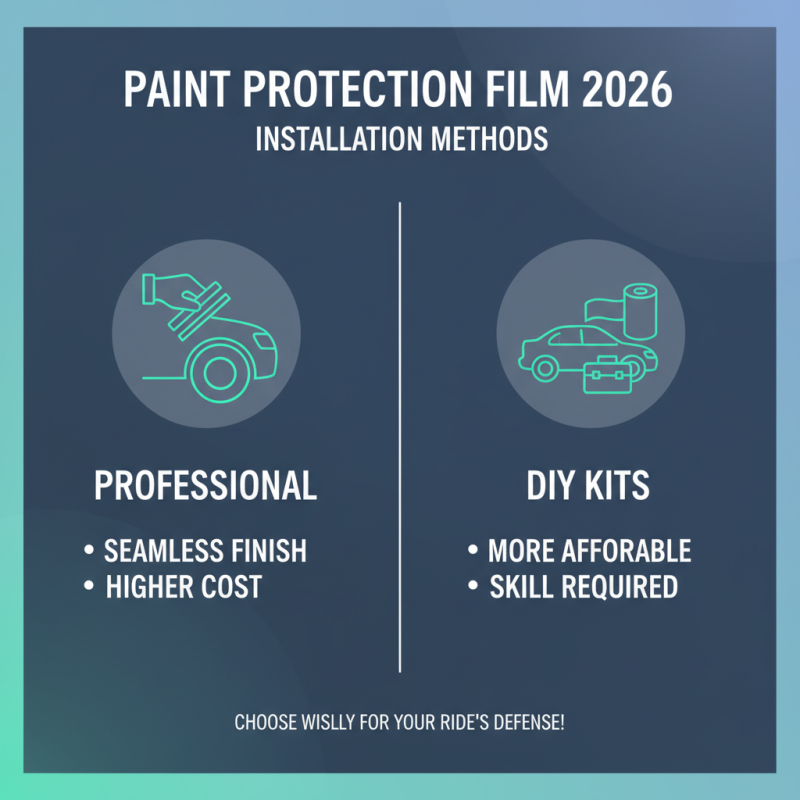
When considering paint protection films in 2026, installation methods are crucial. You typically have two options: professional installation or DIY. Professionals usually provide a seamless finish, but the cost can be high. DIY kits are more affordable, yet achieving a flawless application requires skill.
Tips for those opting for DIY: Start in a controlled environment. Dust and debris can ruin your outcome. Use a heat gun carefully to help the film adhere better, especially around curves. Additionally, practice cutting the film on scrap materials to refine your technique.
However, DIY installation can lead to imperfections. Bubbles under the film are common. If this happens, don't panic; a small pin can help release them. Always be ready to re-evaluate and fix any mistakes. Remember, patience is key when applying paint protection films. The goal is to protect your car while ensuring an attractive appearance.