Ppf Headlight Tint Best Options for Your Vehicle?
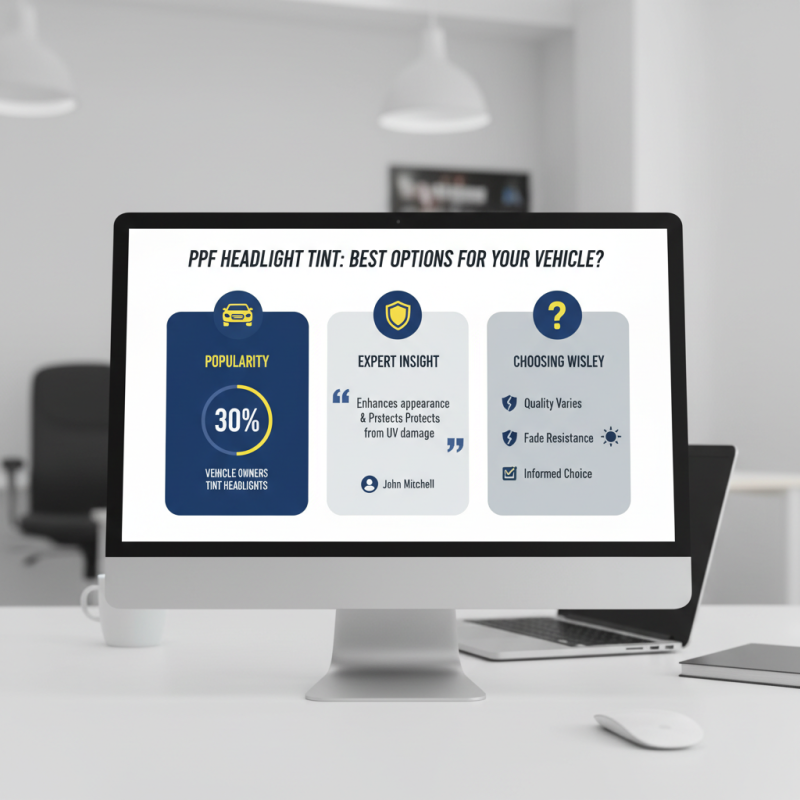
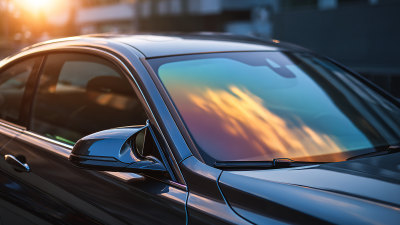
When considering vehicle aesthetics and safety, Ppf Headlight Tint emerges as a popular modification. According to a recent industry report by the Automotive Tint Association, nearly 30% of vehicle owners seek tinting options. This trend isn't surprising. Many drivers prioritize both style and functionality.
Expert John Mitchell, a leading voice in automotive customization, emphasizes, "Ppf Headlight Tint not only enhances appearance but also protects headlights from UV damage." This insight highlights how this simple upgrade can benefit your vehicle over time.
Still, choosing the right tint involves challenges. With numerous options available, how do you pick the best one? Quality varies widely, and some products may not provide adequate protection or fade quickly. Reflection on these factors is crucial for making an informed choice.
Understanding PPF Headlight Tint and Its Benefits
PPF headlight tint offers various advantages for vehicle owners. It enhances the aesthetic appeal and provides added protection. According to recent industry reports, almost 70% of car owners consider headlight clarity essential for safety. However, protecting headlights from UV rays, scratches, and contaminants can be challenging.
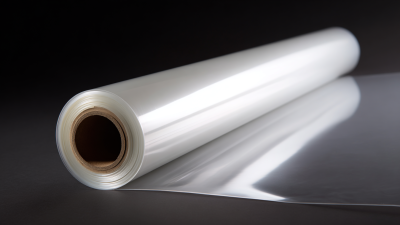
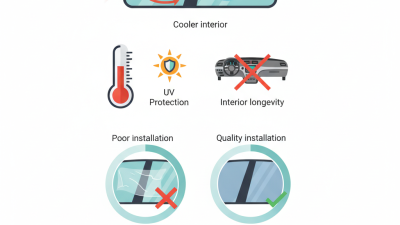
PPF, or Paint Protection Film, acts as a shield for headlights. This film prevents yellowing and oxidation over time. Many experts suggest that using PPF can increase headlight lifespan by up to 50%. That’s significant, considering headlight replacement costs can exceed $200. The installation process is essential. Poor application can lead to air bubbles and reduce effectiveness.
Color choices for PPF tint vary, impacting light visibility. Darker tints may look stylish but might reduce brightness. Research indicates that a 20% reduction in light output can occur with certain tints. Thus, vehicle owners must weigh aesthetics against safety performance. Achieving the perfect balance can be tricky and requires careful consideration.
Types of PPF Headlight Tint Available for Vehicles
When considering PPF headlight tint options, various types are available for vehicle owners. The most common types include clear, smoked, and colored tints. Each type offers distinct benefits and aesthetic appeal. A report from the automotive styling industry indicates that nearly 40% of car enthusiasts prefer smoked tints. This choice enhances a vehicle's sleek look while providing some level of protection.
Clear PPF headlight tints are popular for those who prioritize visibility. They maintain original light quality while offering defense against chips and scratches. Data reveals that vehicles with clear tints experience a 25% reduction in glare for oncoming drivers. This can lead to a safer driving experience, especially at night. However, the level of protection can vary, leading to questions about durability and performance over time.
Additionally, colored tints bring a unique flair. They can enhance a vehicle's color scheme. Despite their aesthetic advantages, colored tints may also hinder light output if not chosen correctly. A study highlighted that 15% of drivers regret choosing a darker tint due to reduced brightness. This reflects the need for careful consideration regarding aesthetics versus functionality. Each type of tint has its pros and cons, necessitating reflection on personal priorities and driving conditions.
How to Choose the Best PPF Headlight Tint for Your Car
Choosing the right PPF headlight tint for your vehicle involves careful consideration. With many options available, it’s essential to know what suits your needs best. According to industry reports, around 70% of drivers prioritize aesthetics, wanting their vehicles to look unique. Yet, functionality should not be overlooked. The right tint can enhance visibility and protect against UV damage.
When selecting a tint, think about the degree of darkness. Many regulations allow for tints ranging from 20% to 50% light transmittance. Too much darkness may impair visibility. Some studies have shown that overly dark tints can reduce nighttime visibility by up to 30%.
Additionally, consider the durability of the tint material. Reports indicate that high-quality tints can last five to ten years without fading or peeling. However, not all tints meet these standards. Make sure to review customer feedback and independent studies. Finding a perfect balance between style and safety is crucial. Some tints can look stunning but may compromise performance. Always reflect on how your choice aligns with your driving habits.
Ppf Headlight Tint Best Options for Your Vehicle
| Tint Option |
Light Transmission (%) |
Durability (Years) |
Ease of Installation |
UV Protection |
| Light Smoke |
50% |
5 |
Moderate |
Yes |
| Dark Smoke |
20% |
3 |
Difficult |
Yes |
| Clear Protective Film |
100% |
7 |
Easy |
Yes |
| Yellow Tint |
60% |
4 |
Moderate |
Yes |
| Smoke with Scratch Resistance |
44% |
6 |
Difficult |
Yes |
Installation Process for PPF Headlight Tint
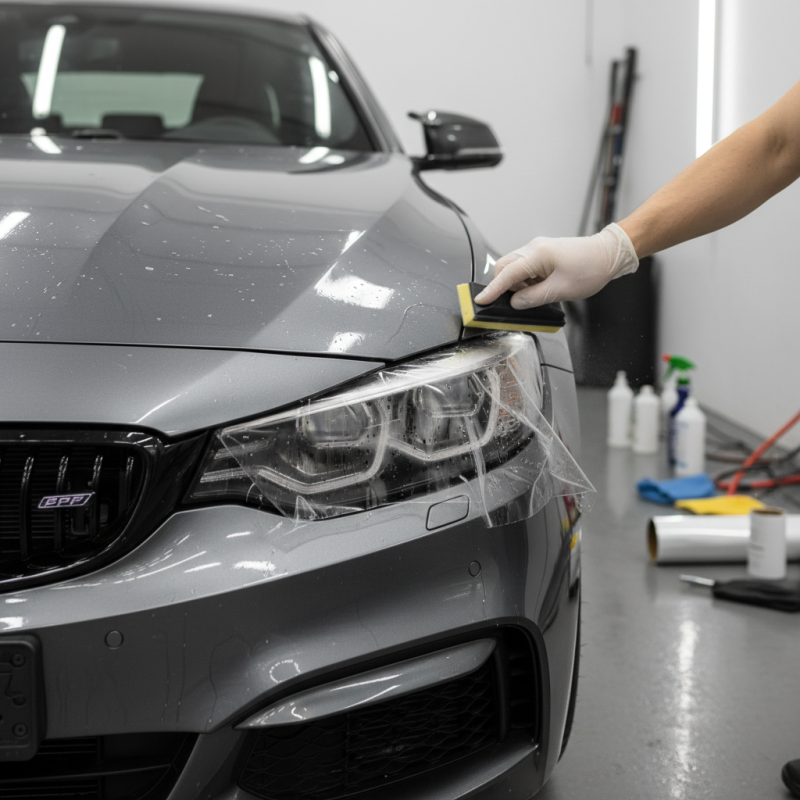
Installing PPF headlight tint can enhance your vehicle's look and protect your headlights. The process, however, requires precision and care. Start by thoroughly cleaning the headlight surface. Any dust or grime can lead to air bubbles during application. According to industry reports, surfaces should have no moisture for optimal adhesion.
After cleaning, measure the film carefully. Cut the film precisely to fit your headlights, ensuring it overlaps the edges slightly. Using a heat gun can help increase flexibility, making the application process smoother. Reports suggest that heat-shrinking the edges will create a more seamless look.
Tips: Always use a squeegee to press down the film firmly. This technique helps push out trapped air bubbles. If you encounter stubborn bubbles, a small needle can help release them. Be patient. The installation isn't perfect the first time for everyone. Practice improves the outcome. Proper preparation and attention to detail are crucial for a professional finish.
Maintenance Tips for Long-lasting PPF Headlight Tint
Proper maintenance of PPF headlight tint is crucial for longevity. According to a report by the International Paint and Coating Association, well-maintained headlight tints can last up to five years. Regular cleaning is vital. Use a gentle soap and soft cloth. Avoid abrasive materials. They can scratch the surface, leading to potential issues.
Another key aspect is protection from UV rays. Overexposure can cause discoloration. A UV-blocking coating can mitigate this. Furthermore, some experts suggest a ceramic coating for enhanced durability. It creates a barrier against environmental pollutants. Yet, not every product on the market holds the same quality. Research and choose wisely to protect your investment.
Inspect your headlight tint regularly. Look for peeling or bubbling. These signs indicate it's time for a touch-up. Neglecting these issues could lead to larger problems. A small fix now can save costs later. Balancing aesthetics with practicality enhances your vehicle’s safety and appearance.
Ppf Headlight Tint Options Analysis