What is Car Anti Scratch Film and How Does It Work?
In the automotive industry, protecting your vehicle's exterior is crucial. Car Anti Scratch Film serves as a vital shield against unsightly scratches and harmful debris. As industry expert John C. Miller states, “Investing in Car Anti Scratch Film is like giving your car a protective armor.” This film, usually made from polyurethane, adheres to the vehicle’s surface, helping maintain its aesthetic appeal.
When scratches occur, they can diminish a car's value. Car Anti Scratch Film offers a lightweight solution to this common problem. It absorbs impacts and resists damage from everyday situations, such as grocery carts or careless neighbors. The clear film is nearly invisible, allowing the car’s beauty to shine without interruption.
However, many consumers overlook its benefits. Some believe that standard wax or sealants provide enough protection. This can lead to regrets down the line when the paint suffers. Ultimately, Car Anti Scratch Film presents a proactive approach to vehicle maintenance. It's an investment in longevity and beauty that deserves consideration.
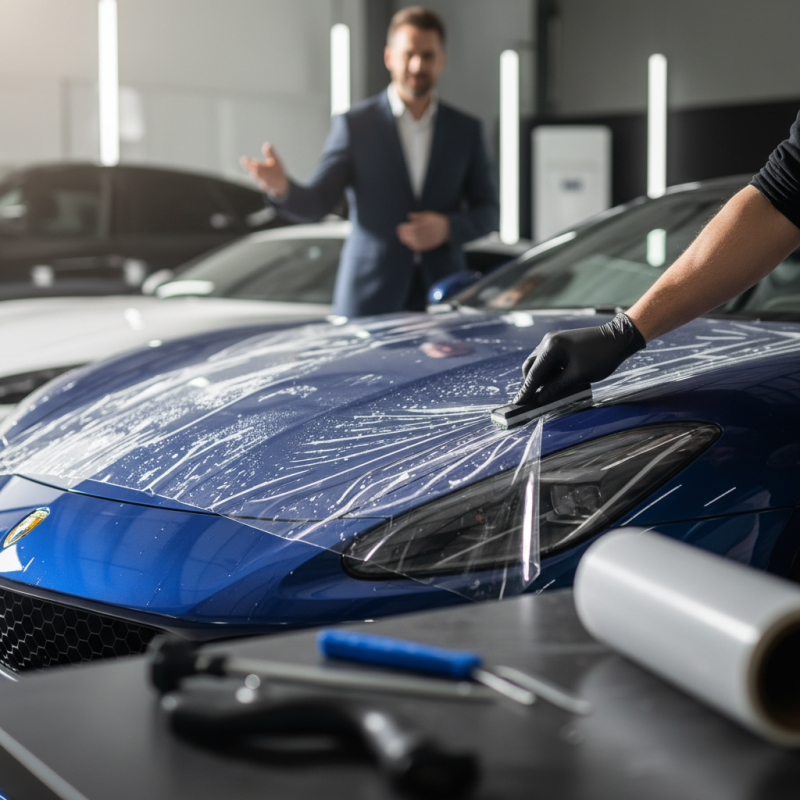
What is Car Anti Scratch Film?
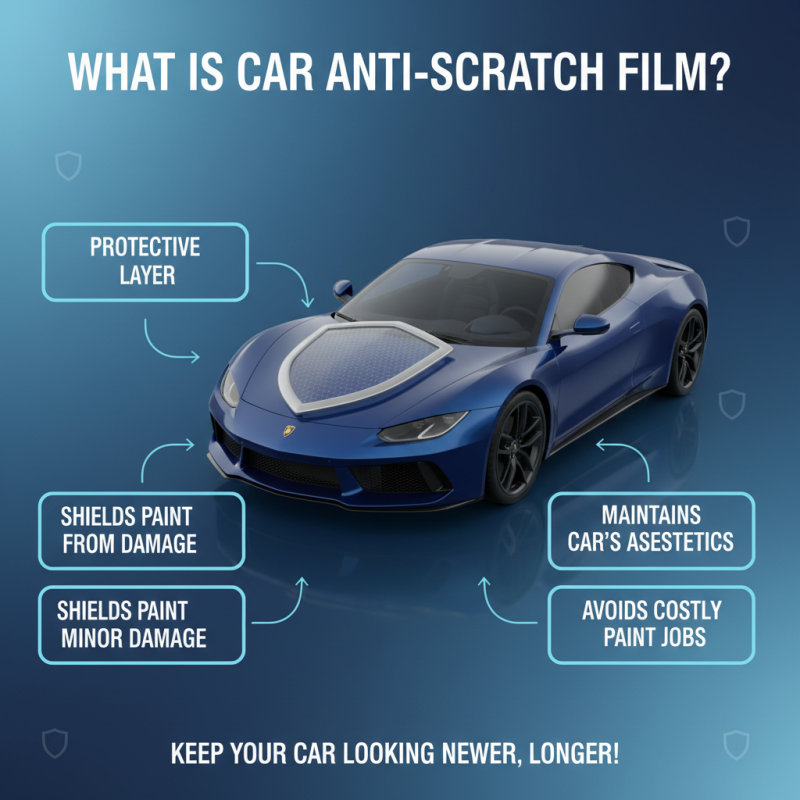
Car anti-scratch film is a protective layer applied to vehicle surfaces. This film is designed to shield paint from minor damages. It offers a way to maintain a car's aesthetic without the need for costly paint jobs.
According to industry reports, the global market for automotive protective films is expected to reach $1.4 billion by 2027. This growth reflects rising demand for paint protection. Many drivers are aware of the risks of scratches, which can significantly diminish a vehicle's resale value. A scratch can lower a car's worth by as much as 20%. Such statistics highlight the importance of investing in protective solutions like anti-scratch film.
The film works through a unique polymer structure that absorbs shock from impacts. However, some users question its longevity. Not all films perform equally under different environmental conditions. Over time, yellowing can occur, especially in harsh climates. Regular maintenance and timely replacements are crucial to ensure optimal performance.
The Composition and Structure of Anti Scratch Film
Car anti-scratch film is gaining popularity among vehicle owners. Understanding its composition and structure helps to appreciate its function. Typically, this film consists of multiple layers. The top layer is often scratch-resistant. Beneath it may lie a protective layer that adds durability. The adhesive layer allows for easy application.
The film is usually made from materials like polyurethane or PVC. These materials provide flexibility and strength. When applied correctly, they conform to the car’s surface without bubbles. This results in a smooth appearance. However, not all films are created equal. Some may lack the necessary thickness or clarity. This can lead to uneven protection or visual distortion.
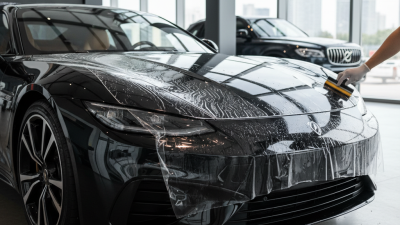
Installing anti-scratch film can be challenging. Misalignment can cause frustrating results. Bubbles might appear if air gets trapped. Some people may rush through the application process, leading to errors. Taking time to align and smooth is crucial. Regular maintenance is needed to ensure long-lasting effectiveness. Keep an eye on the film for any peeling or lifting. Understanding these details can enhance the film's performance and protect the vehicle’s aesthetics.
What is Car Anti Scratch Film and How Does It Work? - The Composition and Structure of Anti Scratch Film
| Feature |
Description |
| Material |
Polyurethane or PVC |
| Thickness |
Typically ranges from 6 to 12 mils |
| Function |
Protects the car paint from scratches, chips, and stains |
| Application Method |
Wet installation using a solution for positioning |
| Durability |
Can last from 5 to 10 years depending on care |
| Self-Healing Property |
Minor scratches can disappear with heat exposure |
| UV Protection |
Blocks harmful UV rays to prevent paint fading |
| Cost |
Ranges from $300 to $1,000 depending on vehicle size and complexity |
Benefits of Using Anti Scratch Film on Vehicles
Using anti-scratch film on vehicles offers multiple benefits that enhance both appearance and value. Reports indicate that over 70% of car owners value exterior protection. The film acts as a buffer against minor abrasions, keeping your vehicle looking newer for longer. Small scratches can significantly decrease a car's resale value. This protective layer defends against daily wear and tear from dirt, debris, and other environmental factors.
Additionally, anti-scratch film provides a clear and invisible shield. It does not alter the car’s appearance, which is a key selling point for many buyers. According to industry analysis, applying such a film can reduce maintenance costs by up to 30%. Drivers who frequently park in crowded areas and those who drive on gravel roads especially appreciate this. The film’s durability can last for years, reducing the need for touch-ups.
However, installation can be a tricky process. In some cases, improper application may lead to bubbling or peeling. These imperfections can be frustrating for vehicle owners. It’s vital to choose a skilled installer to avoid these pitfalls. Along with proper care, this film is designed to be a long-term investment in preserving a car's aesthetic.
How Anti Scratch Film Works: The Science Behind It
Car anti-scratch film is gaining popularity among vehicle owners. It acts as a shield for your car’s surface. The film is typically made of thermoplastic urethane, which offers flexibility and strength. This material allows the film to absorb impacts from debris, minimizing damage. It’s a thin layer, yet incredibly durable.
The science behind anti-scratch film involves energy dispersion. When an object hits the film, the force doesn’t solely impact the car’s paint. Instead, it spreads out across the film’s surface. This process reduces the chances of scratches or chips appearing on the underlying paint. Interestingly, some films can self-heal. Minor scratches may disappear with heat from the sun. However, this self-healing property isn’t foolproof. Larger abrasions may still be visible.
Applying the film requires precise craftsmanship. Bubbles can form if not done correctly. It’s crucial to ensure a clean surface before application. The film must be placed carefully to avoid imperfections. Some users might find peeling edges after a while, prompting the need for replacement. It’s important to weigh the benefits against potential downsides when considering this protective layer.
Installation and Maintenance of Car Anti Scratch Film
Installing car anti scratch film can be a bit tricky. It's important to prepare the surface well. Clean the car thoroughly to remove dirt and dust. Any imperfection under the film will show later. This can ruin the look of your vehicle.
When applying the film, work slowly. Start from one end and gradually move across the surface. If you rush, you might create bubbles. Adjusting the film later may not be easy. A squeegee can help smooth out the film. But be gentle to avoid scratches.
Maintenance of the film is also key. Regular washing is necessary to keep it clear. Avoid abrasive cleaners, as they can damage the film. It’s good to check for any lifting edges, too. Addressing these small issues early can prevent bigger problems. Over time, the film may need replacing, especially if it gets worn or scratched. Keeping an eye on it helps maintain your car's appearance.
Car Anti Scratch Film Durability Comparison
This chart illustrates the average durability of different types of car anti scratch films. Standard films typically last for about 3 years, while premium films offer up to 5 years, and luxury films can last around 7 years under similar conditions.