What is Car Window Tint and How Does It Benefit You?
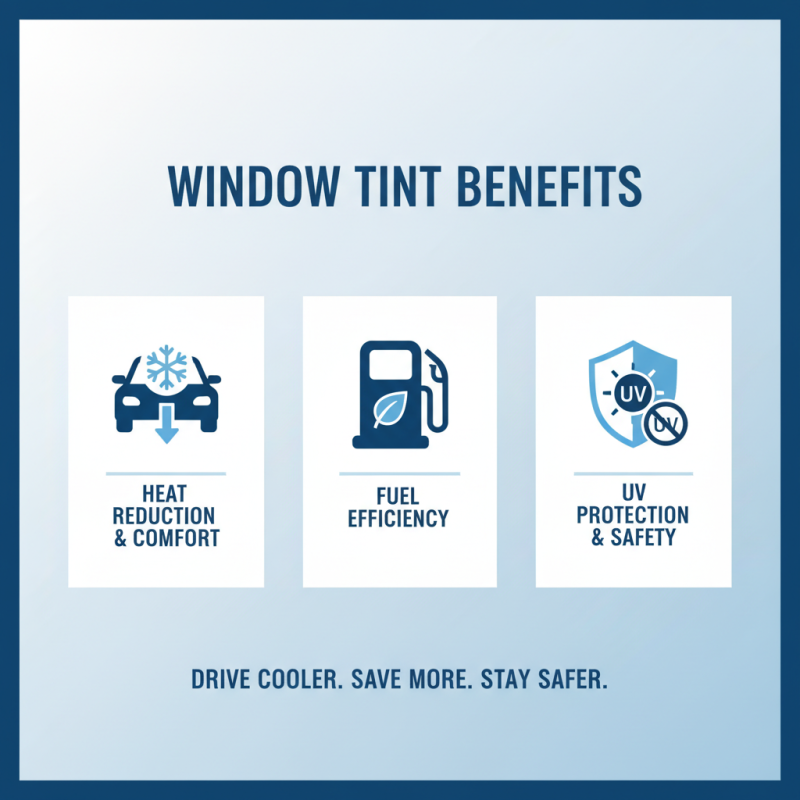
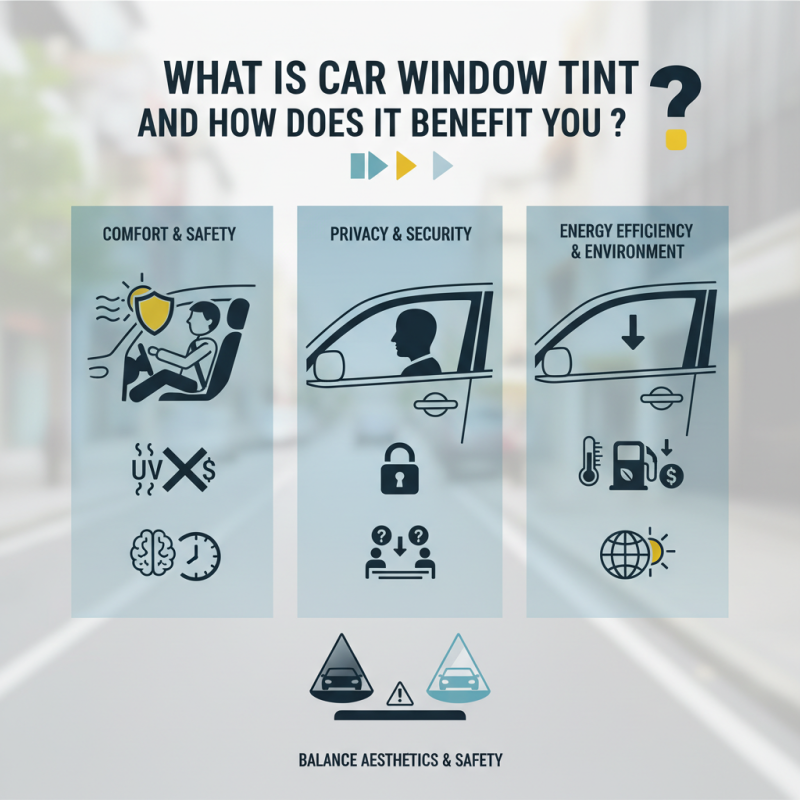
Car Window Tint has gained significant attention in recent years for its multifaceted benefits. According to John Smith, a leading expert in automotive accessories, "Car Window Tint improves comfort and increases safety." Window tinting provides a layer of protection against harmful UV rays. This can help reduce skin damage and fatigue during long drives.
Many car owners appreciate the privacy that Car Window Tint offers. It creates a barrier, making it difficult for outsiders to see inside the vehicle. This can enhance personal security. However, not all tints are created equal. Some products may not provide adequate protection or lifespan. Owners should choose carefully based on their needs and local regulations.
In addition to comfort and security, window tinting can improve energy efficiency. With less heat entering the car, air conditioning works less hard. This results in fuel savings and a smaller environmental impact. Yet, it's essential to understand the potential downsides. Overly dark tints can reduce visibility, especially at night. Balancing aesthetics and safety is crucial for every car owner.
What is Car Window Tint?
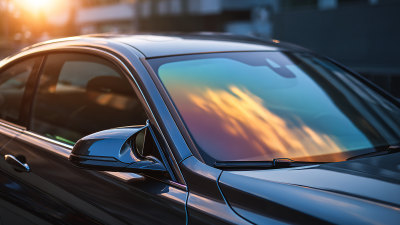
Car window tint is a thin film applied to the glass of vehicles. It comes in various shades and levels of darkness. The primary purpose is to reduce the amount of sunlight entering the car. This film can also enhance privacy and protect interior materials from UV damage.
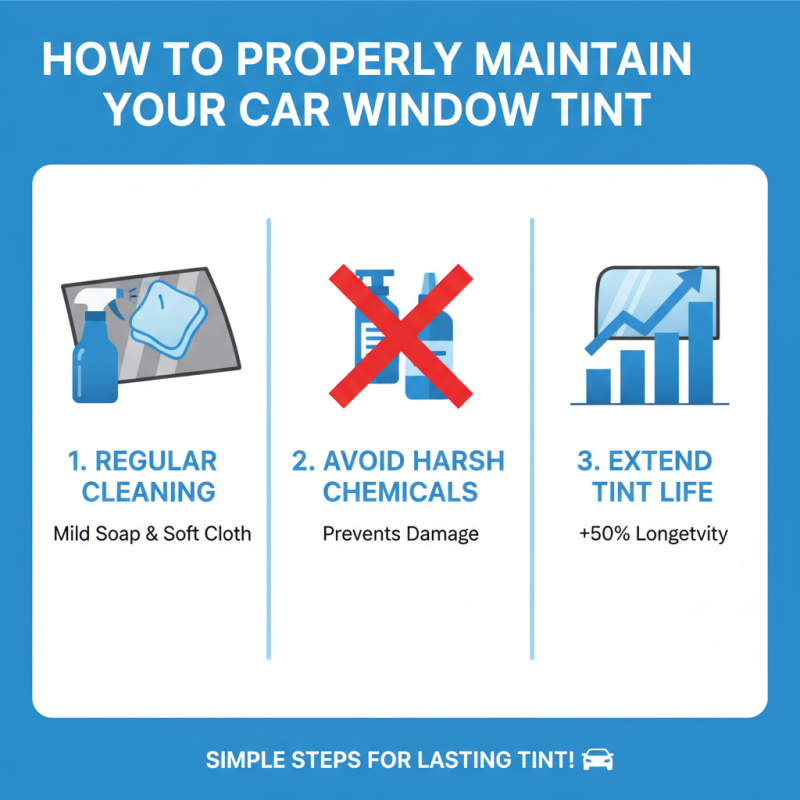
Applying tint can lead to several benefits. For instance, it helps maintain a cooler temperature inside the car. On hot days, this can make a significant difference. Additionally, it reduces glare, making driving safer. However, proper installation is crucial. Installing it incorrectly can lead to bubbles or peeling.
Tips for selecting the right tint include checking local regulations. Some areas have restrictions on darkness levels. Always select a quality film from a reputable supplier. This ensures durability and clarity. Lastly, consider the type of driving you do. If you park outdoors often, a high UV protection film is advisable. Reflect on your needs and make an informed choice.
Benefits of Car Window Tint
This chart represents the various benefits of car window tinting, showcasing the percentage of car owners who prioritize each benefit. The data highlights the importance of UV protection, heat reduction, glare reduction, and privacy enhancement.
Types of Window Tinting Films Available
When considering window tinting, understanding the various types of films is essential.
There are two primary categories: dyed and metalized films.
Dyed films are popular for their aesthetic appeal.
They can enhance the look of your vehicle, providing a sleek appearance. However, these films may fade over time.
It’s vital to choose a quality option to ensure longevity.
Metalized films offer different benefits. They reflect heat and UV rays effectively, contributing to a cooler cabin interior. This can lead to energy savings as the need for air conditioning may decrease.
However, the metallic layer can interfere with GPS signals, which is a drawback to consider.
Another option is ceramic films.
These high-end films provide excellent heat rejection without interfering with electronic signals.
They are durable and resistant to scratches. However, they tend to be more expensive, which might not fit every budget.
Each type has unique pros and cons, making it essential to evaluate your specific needs before deciding.
Benefits of Applying Window Tint to Your Vehicle
Applying window tint to your vehicle offers numerous benefits that enhance both comfort and safety. One of the primary advantages is the reduction of heat. Tinted windows can block a significant percentage of solar heat, keeping your car cooler. On hot days, this can improve the driving experience, reducing reliance on air conditioning. A cooler car also means better fuel efficiency, which many drivers appreciate.
Another key benefit is glare reduction. Sunlight reflecting off the road can be distracting. Tinted windows help minimize this glare, making it easier to see clearly. This is especially helpful during sunrise and sunset. Additionally, the tint can provide some privacy and security; belongings inside your vehicle are less visible to passersby. This added layer can deter potential theft.
UV protection is another essential factor. Many tints block harmful ultraviolet rays, protecting both your skin and the car's interior. Fading upholstery and dashboard wear can be significantly reduced. However, it’s crucial to consider local regulations on tint darkness. Not adhering to these laws can lead to problems, so research is needed.
Legal Regulations Surrounding Car Window Tint
Car window tint refers to a thin film applied to vehicle windows, offering various benefits like UV protection and privacy. However, the legalities surrounding window tint can be quite complex, varying significantly by state and country. According to a report from the International Window Film Association, around 35% of U.S. states have specific restrictions on tinting colors and visible light transmission (VLT) percentages. This information highlights the critical need for consumers to understand local regulations.
Most states require certain levels of visible light to pass through window tint. For instance, the front windshield may need to allow up to 70% of light in, while side windows often have different allowances. It’s essential for drivers to check guidelines, as some states impose stringent penalties for violations. Interestingly, while darker tints can enhance privacy, they can also lead to tickets, raising concerns about public safety and law enforcement experiences. Misunderstanding these regulations can cost drivers money, so awareness is key.
Moreover, public perception plays a significant role in these regulations. Some communities associate heavily tinted windows with illegal activities. This stigma can influence lawmakers to impose stricter rules. As a result, the conversation about car window tint continues, with ongoing debates on personal freedom versus public safety. Each state’s approach reflects its unique culture and priorities, making it crucial for car owners to stay informed.
What is Car Window Tint and How Does It Benefit You? - Legal Regulations Surrounding Car Window Tint
| Tint Type |
Visible Light Transmission (VLT) % |
UV Protection (%) |
Heat Rejection (%) |
Legal Status in Most States |
| Dyed Window Tint |
5% - 50% |
99% |
25% - 45% |
Typically Legal |
| Metalized Window Tint |
5% - 50% |
99% |
35% - 50% |
Usually Legal with Limits |
| Ceramic Window Tint |
30% - 50% |
99% |
50% - 70% |
Widely Legal |
| Carbon Window Tint |
5% - 50% |
99% |
40% - 60% |
Generally Legal |