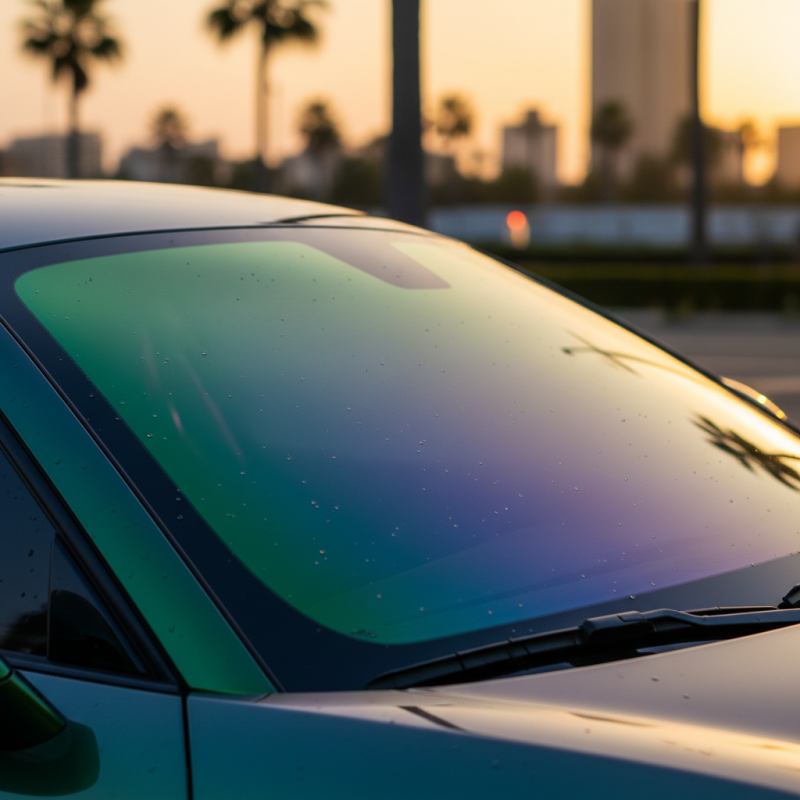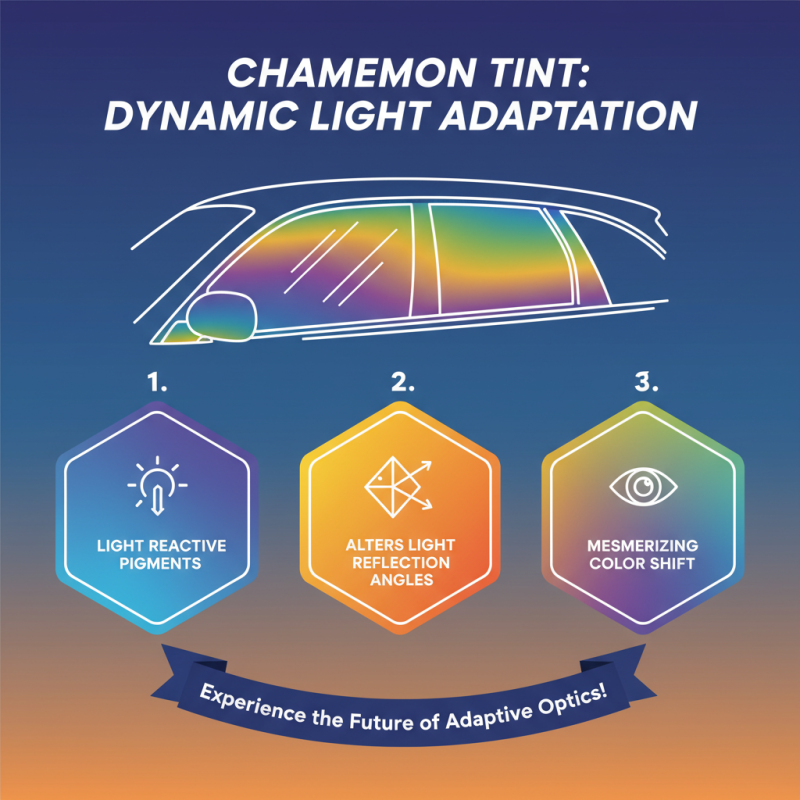
Chameleon Tint is an innovative solution in the world of color changing materials. It attracts attention for its unique ability to shift colors based on the angle of light. This remarkable product is largely used in automotive applications, enhancing the visual appeal of vehicles. The dynamic play of colors can mesmerize anyone who sees it.
The technology behind Chameleon Tint is fascinating yet complex. It utilizes microscopic structures to refract light. As a result, the user experiences different shades and hues. This effect can create a stunning visual illusion. However, the application process can be challenging and requires precision. Mistakes during installation could lead to an unsatisfactory finish.
Many people are captivated by the allure of Chameleon Tint. However, some might find the upkeep difficult. Maintaining the tint involves regular care to preserve its vibrant colors. This aspect could be a drawback for some users. Understanding these facets is crucial before making a decision. Are the benefits worth the effort?
Chameleon tint is a unique type of window film. It changes color based on the angle of light. This effect can create a stunning visual appearance. Many people find it fascinating for cars and homes. The colors can shift from green to purple, or even blue. It adds an artistic touch to any surface.
One important aspect of chameleon tint is its application. Installing it requires precision and skill. If not applied correctly, bubbles or misalignments can occur. This can ruin the overall look. It’s crucial to find the right professional for installation.
Tip: Always consider the lighting conditions in your area. The color shift may vary depending on natural and artificial light.
Another thing to remember is the maintenance of chameleon tint. Regular cleaning is essential to keep its vibrant appearance. Avoid abrasive cleaners as they can damage the film. Mistakes in cleaning can lead to scratches and dullness.
Tip: Use a soft cloth and gentle soap for cleaning. This helps maintain the film's longevity.
Chameleon tint technology operates on the principles of color theory and light manipulation. This innovative concept allows materials to change color based on the angle of light and viewing perspective. According to a recent industry report, the market for smart coatings, including chameleon tints, is expected to grow by 15% annually. This indicates a rising interest and application in sectors like automotive and fashion.
The science involves complex layers of pigments that interact differently with light. These pigments can absorb and reflect varying wavelengths, enabling a stunning visual shift. Often, the depth of color change can differ in bright sunlight versus shelter. This surprising characteristic has intrigued designers and scientists alike.
Tips: When selecting chameleon tints, consider the light conditions they'll face. Some colors may appear vibrant indoors but muted in natural light. Test samples in various environments to ensure satisfaction.
Chameleon tints are not without their challenges. The application process can be complicated, requiring precision. Environmental factors can affect longevity and performance. A thorough understanding of durability is crucial for those interested in utilizing this technology fully.
This bar chart illustrates the light transmittance percentages through Chameleon Tint technology for various light types including UV light, visible light, and infrared light. The varying percentages highlight the effectiveness of Chameleon Tint in adapting to different light environments.
Chameleon tint is an innovative technology that changes color in response to light. This tint uses specialized pigments that react to different light sources. When light hits the surface, it can alter the angles of light reflection. The result? A mesmerizing play of colors that can shift dramatically based on angles and brightness.
According to a recent industry report, chameleon tint can exhibit up to 5 distinct colors when exposed to light. The effect hinges on the specific material's composition and layering. Some tints shift from blue to green, while others might transition from purple to gold. This dynamic color-changing feature has caught the attention of many sectors, especially in automotive and design. However, the technology isn't flawless. Factors like surface texture, environmental conditions, and application methods can significantly impact the final effect.
The application of chameleon tint isn’t always straightforward. Users may encounter challenges, such as improper adhesion or color inconsistency. Sometimes the expected visual result falls short. Despite these imperfections, the allure of a vibrant and changing aesthetic keeps enthusiasts engaged. The experience offers a unique blend of creativity and technology, inviting users to experiment and reflect on their choices.
Chameleon tint is a unique technology that changes colors based on viewing angles. This effect creates a dynamic visual appeal. Its applications span several industries, making it quite versatile. In automotive design, chameleon tint enhances vehicle aesthetics. Many car owners prefer this finish for its eye-catching effect. Reports indicate that nearly 30% of consumers are drawn to cars with unique finishes.
In architectural applications, chameleon tint can improve energy efficiency. By reflecting various wavelengths of light, it can help regulate building temperatures. A recent report suggested that buildings using advanced tints could save up to 25% in energy costs. However, installation can be challenging. It requires precision to avoid bubbles and imperfections. This highlights the need for skilled professionals in the field.
Chameleon tint is also popular in fashion and accessories. Designers incorporate it into clothing and bags, pushing boundaries. However, the durability of these materials often raises concerns. Some users report fading over time. This points to the importance of research in product development. Despite its appeal, there is room for improvement in quality and lifespan.
| Application | Use Case | Advantages | Material Type | Color Change Mechanism |
|---|---|---|---|---|
| Automotive Window Film | Provides aesthetic and privacy enhancements for cars | UV protection, reduces heat, unique color shifting | Polymer-based film | Thermochromic and photochromic effects |
| Architectural Design | Used in windows and facades for buildings | Energy efficiency, dynamic visual appearance | Glass-based coatings | Light-responsive pigments |
| Interior Design | Wall coverings, furniture finishes | Unique home aesthetics, mood enhancement | Vinyl and polyester | Color changing under different lighting |
| Fashion Industry | Applications in textiles and apparel | Innovative fashion statements, personalization | Fabric blends with metallic finishes | Heat or light activated color change |
| Art and Crafts | Mixed-media art projects | Interactive artwork, creative expression | Variety of art materials including paints | Reflective and absorptive color changes |
Chameleon tint is a unique window film that changes color based on the angle of light. This dynamic effect adds a touch of flair to vehicles and buildings. The visual appeal is undeniable, attracting attention with its shifting aesthetics. However, the application process can be tricky. A poor installation may lead to bubbling or peeling over time. This requires careful consideration before committing to the tint.
One significant benefit of chameleon tint is its ability to provide UV protection. It can help reduce interior fading and heat buildup. This makes spaces more comfortable and furniture lasts longer. Yet, chameleon films may not be as effective in reducing glare. Drivers might still face challenges during bright days. Moreover, while the tint creates visual excitement, its maintenance can be demanding. Regular cleaning and careful handling are essential to preserve its look.
While chameleon tint offers striking visuals and some functional benefits, it has limitations that should be acknowledged. The color-changing effect can distract and confuse some drivers. This tint also typically does not provide the same level of privacy as darker films. Users should weigh these factors before choosing this unique option for their vehicles or spaces.