What is Chameleon Tint and How Does It Transform Your Vehicle?
Chameleon Tint is revolutionizing the automotive industry. This unique film enables vehicles to change color based on viewing angles and lighting conditions. According to a recent marketing analysis by IBISWorld, the vehicle customization market is projected to reach $32 billion by 2025. Chameleon Tint is a key driver in this growth, appealing to many car enthusiasts keen on personalization.
Experts highlight that Chameleon Tint provides distinct benefits, such as UV protection and heat reduction. A study from the International Cool Roofs Council states that tinted films can lower interior temperatures by up to 30%. Such features make Chameleon Tint not just a fashion statement but also a practical choice for vehicle owners. Reflecting the growing trend, consumer interest has surged by over 40% in the last year alone.
However, understanding this innovative product requires careful consideration. The installation process is complex and demands skilled professionals. Without proper application, the tint may not perform as expected. Car owners must weigh the aesthetic benefits against potential challenges. Chameleon Tint offers exciting possibilities, but it’s crucial to approach the decision with informed caution.
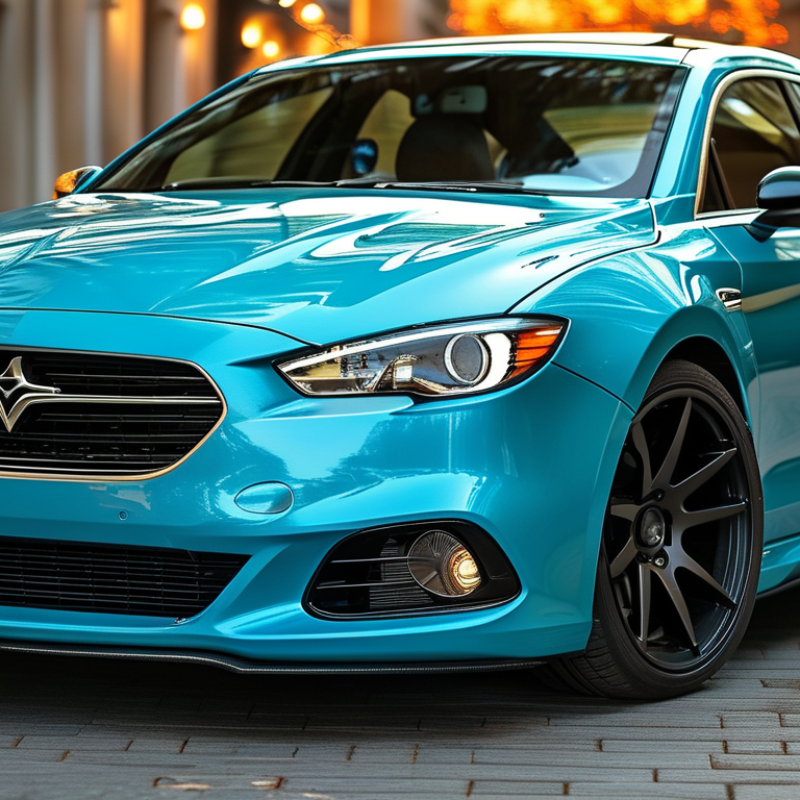
Definition and Overview of Chameleon Tint
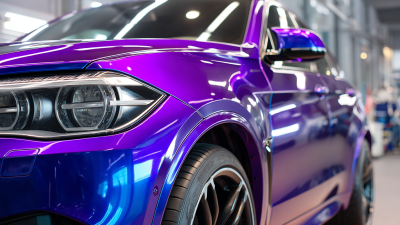
Chameleon tint is a unique film that adds a dynamic finish to vehicles. Defined by its color-shifting properties, this tint creates an optical illusion. Depending on the angle and light, colors change dramatically. Reports indicate that the global market for automotive window films, including chameleon tint, is projected to grow at a CAGR of 6.5% from 2022 to 2030. This trend highlights a rising interest in aesthetic customization among car enthusiasts.
The application of chameleon tint requires skill. It's essential to ensure proper adhesion and alignment. Misalignment may lead to bubbles or peeling, which can diminish the tint's visual appeal. A common mistake is selecting a tint that doesn’t comply with local regulations. Ensuring compliance is crucial for your vehicle's legality on the road.
Tips for applying chameleon tint include testing a small area first. This allows you to gauge the effect of the color shift. Additionally, consider environmental conditions when applying the film. High humidity can interfere with the adhesive properties. It's wise to research and consult professionals who specialize in this type of tint for an optimal outcome.
Mechanics of Chameleon Tint: How It Works
Chameleon tint is a revolutionary technology that enhances vehicle aesthetics. This tint utilizes advanced color-shifting properties to create dynamic visual effects. As the vehicle moves or as the light conditions change, the tint transitions through various shades. This captivating effect can draw attention and elevate the car's presence on the road.
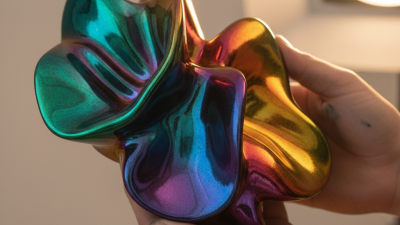
The mechanics behind chameleon tint lie in the use of special pigments and multilayered coatings. The unique structure allows light to interact differently with each layer, producing a spectrum of colors. A recent industry report highlighted that approximately 75% of consumers prefer vehicles with unique finishes. This preference underscores the impact of innovative designs in the automotive market. The finish also protects against harmful UV rays, which studies show can degrade vehicle surfaces over time.
However, the application process can be intricate. Ensuring consistent and uniform coverage requires expertise. The film must adhere correctly to avoid bubbles or peeling. Even slight imperfections can impact the desired visual effect. Proper installation is crucial for achieving the full potential of chameleon tint. In an industry where quality standards are paramount, understanding these nuances becomes essential for both installers and vehicle owners.
Chameleon Tint Transformation Overview
The bar chart above illustrates the benefits of Chameleon Tint for vehicles, focusing on five key aspects: color variety, UV protection, heat rejection, durability, and style factor. Each dimension shows how Chameleon Tint significantly enhances vehicle aesthetics and performance.
Benefits of Applying Chameleon Tint to Your Vehicle
Chameleon tint is gaining popularity in the automotive industry for its unique aesthetic and practical benefits. This innovative film features color-shifting properties, allowing cars to dramatically change hue based on lighting and viewing angle. According to a report from Grand View Research, the automotive window film market is expected to reach over $12 billion by 2028. This growth is partly driven by the demand for customizability, which chameleon tint provides.
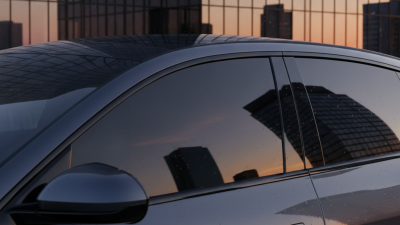
Applying chameleon tint can enhance your vehicle in several ways. First, it helps reduce UV exposure, protecting both the interior and passengers. Studies show that window films can block up to 99% of harmful UV rays. This can prolong the life of your car’s upholstery and minimize skin damage from sun exposure. Additionally, chameleon tint offers enhanced privacy, making it more challenging for onlookers to see inside the vehicle. This added layer of security can deter theft and provide peace of mind.
However, the application of chameleon tint can be challenging. Not all vehicles are suitable for this type of film, and improper installation may lead to bubbles or peeling. Experts recommend trusting skilled professionals for installation. Some users report dissatisfaction with limited color options or fading over time. Carrying out thorough research can mitigate these issues and lead to a more satisfying experience.
Different Types and Colors of Chameleon Tint Available
Chameleon tint offers a unique aesthetic for vehicles, allowing them to stand out on the road. Available in various colors, this tint changes hue based on light and angle. The experience of watching the color shift is captivating. Drivers enjoy the subtle yet striking effect it has on their cars.
Different types of chameleon tints include those with vibrant hues, such as deep blues or fiery reds. These colors can feature a glossy finish or a matte look, further enhancing their visual appeal. Some tints shift from green to purple, while others move between shades of gold and bronze. Each type offers a distinctive transformation that reflects personal style.
Despite its beauty, some may find chameleon tint challenging to maintain. Dirt and scratches can impact the glossy surface. Regular cleaning is essential, yet it can be time-consuming. Additionally, the initial installation cost might raise eyebrows. Weighing these factors is crucial. However, the right choice can make a vehicle truly unique.
Maintenance Tips for Preserving Chameleon Tint Quality
Chameleon tint is a unique automotive film that shifts colors based on light and angle. To maintain its vibrant appearance, proper care is vital. UV exposure and harsh weather can degrade the tint over time. Research indicates that UV rays can cause color fading by up to 60% over prolonged periods. Regular maintenance can significantly extend the lifespan of your tint.
Cleaning is essential for preserving chameleon tint quality. Use a gentle, pH-balanced cleaner with a soft cloth. Harsh chemicals can alter the tint's color and surface. Experts recommend washing your vehicle bi-weekly, especially in winter months when road salt accumulates. Avoid automatic car washes with harsh brushes, as they can scratch the surface and diminish the finish quality.
Routine inspections help identify any bubbling or peeling. Address these issues quickly to avoid further damage. Many owners overlook small imperfections, assuming they are insignificant. However, even minor defects can lead to more extensive problems, reducing the tint's lifespan. By incorporating these maintenance practices, vehicle owners can ensure that their chameleon tint remains eye-catching and effective for years to come.
What is Chameleon Tint and How Does It Transform Your Vehicle? - Maintenance Tips for Preserving Chameleon Tint Quality
| Aspect |
Details |
| Definition |
Chameleon tint is a special type of automotive window film that changes color depending on the angle of light and view. |
| Color Variations |
Available in multiple hues, such as blue to purple, green to gold, and others, providing dynamic aesthetics. |
| Benefits |
Enhances vehicle appearance, provides UV protection, and reduces glare while driving. |
| Installation |
Best installed by professionals to ensure perfect adhesion and avoid bubbles or peeling. |
| Maintenance Tips |
Use only non-abrasive cleaners, avoid high-pressure washing, and keep out of direct sunlight whenever possible. |
| Lifespan |
Typically lasts between 5 to 10 years depending on quality and maintenance. |