How to Choose the Best Reflective Tint for Your Vehicle Windows
Choosing the right reflective tint for your vehicle windows is crucial for both aesthetics and functionality. Reflective tint offers enhanced privacy and reduces glare from sunlight. According to a report from the International Window Film Association, tinted windows can block up to 99% of harmful UV rays. This feature helps in protecting both your skin and your car's interior.
While reflective tint provides many advantages, the selection process is not always straightforward. The market is flooded with various options, each claiming unique benefits. It's essential to consider factors such as the level of reflection, color variation, and local regulations on tinting. A poor choice can lead to dissatisfaction or even fines.
Reflection can be stylish, but it might not always suit every vehicle. Some drivers may find darker tints limit visibility, especially at night. This uncertainty can make the decision challenging. The key is to balance aesthetics with practical needs. Ultimately, finding the best reflective tint requires careful thought and research.
Understanding Reflective Tint: Types and Benefits for Vehicle Windows
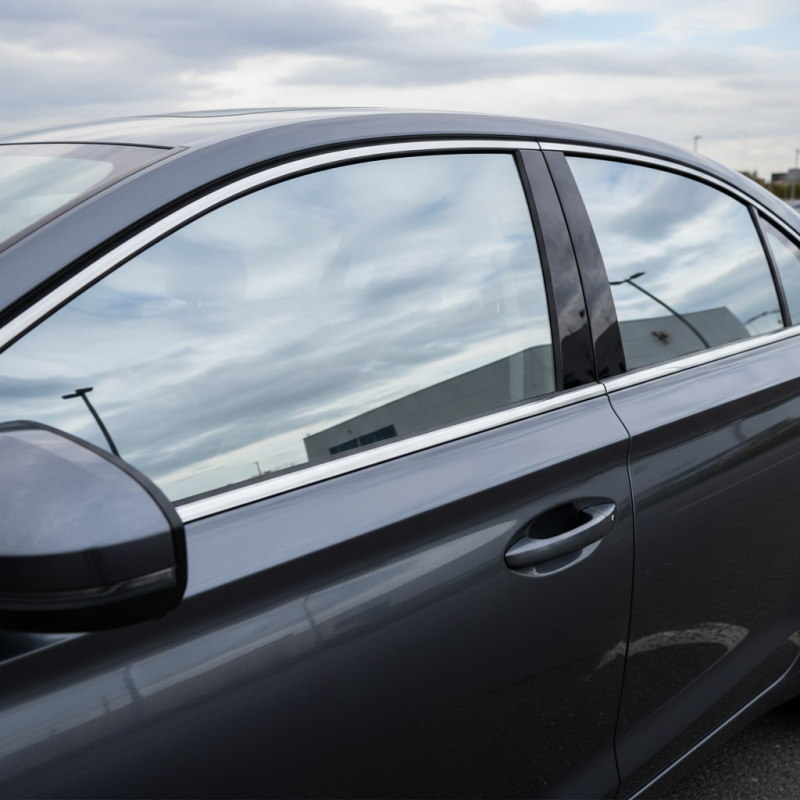
Reflective tint offers numerous benefits for vehicle windows. Understanding the types available is crucial when making a choice. Common categories include metallic, mirror, and ceramic tints. Each type provides various levels of reflectivity and UV protection. According to industry reports, reflective tints can block up to 99% of harmful UV rays. This feature protects both passengers and the vehicle's interior from damage.
The appeal of reflective tint is not only functional but also aesthetic. It enhances the look of any vehicle, giving it a sleek appearance. Reflective films can reduce heat in the cabin, leading to increased comfort. A study suggests that cars with reflective tint remain up to 60% cooler than those without on sunny days. However, applying this type of tint can be tricky. A poorly installed film can peel or bubble, undermining its benefits.
Choosing the right reflective tint means weighing options and considering installation. Professional installation is recommended to avoid common pitfalls. For instance, some tints may appear too dark at night, limiting visibility. Finding a balance between style and safety can be challenging. Experts advise testing various samples before making a final decision.
Reflective Tint Types and Their Benefits for Vehicle Windows
Evaluating Legal Regulations on Window Tinting by State or Region
When choosing a reflective tint for vehicle windows, understanding local regulations is crucial. Laws on window tinting vary widely by state. For instance, some states allow a higher level of tinting on rear windows but restrict front side windows. According to the International Window Film Association, approximately 20% of states have laws that permit no reflective tint at all. This makes compliance tricky for many car owners.
Understanding the visibility requirements in your area is essential. In California, for example, a visible light transmission of at least 70% is mandated for front windows. However, in Florida, you can go darker. This variance means that what works in one state may not be legal in another. Ignoring these regulations could lead to fines or the need to remove the tint entirely.
Additionally, many vehicle owners underestimate how street patrols enforce these laws. Some may believe they can get away with darker shades. However, some incidents have revealed that officers often carry tools to measure tint levels accurately. This reality should compel drivers to research and understand their local laws before making any choices regarding window tinting.
Measuring Visible Light Transmission (VLT) for Optimal Tint Selection
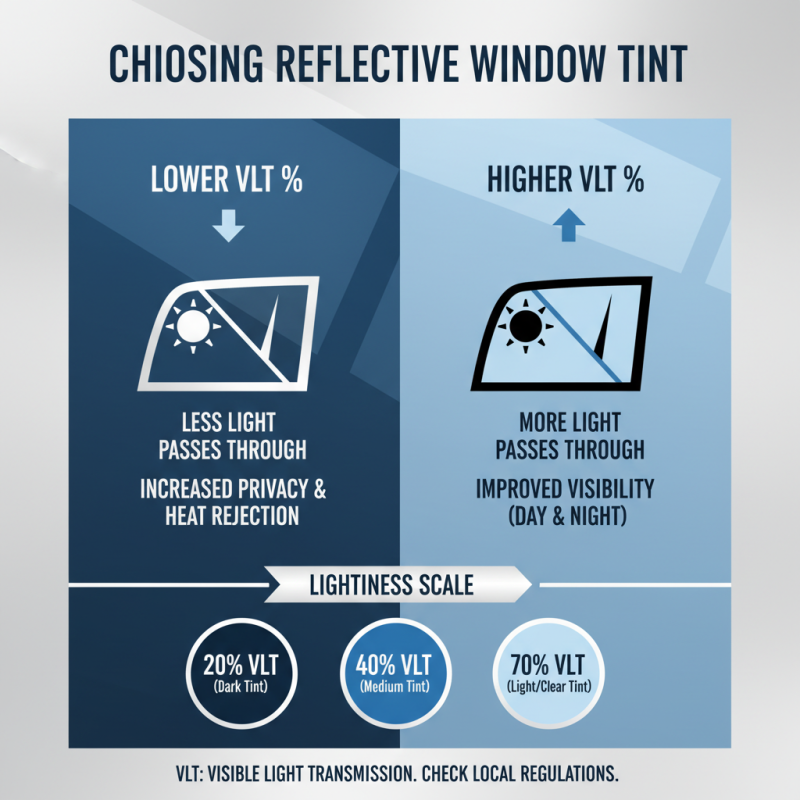
Choosing the right reflective tint for your vehicle windows can dramatically improve your driving experience. One crucial factor is the Visible Light Transmission (VLT) percentage. VLT measures the amount of light that passes through your windows. A lower VLT percentage means darker tint and more privacy.
For optimal tint selection, consider that a VLT of 50% lets in half the light. This is a popular choice for many drivers. Meanwhile, a VLT below 35% can effectively reduce glare from sunlight. According to industry research, 70% of accidents occur due to poor visibility. Therefore, balancing privacy and safety is essential when selecting tint.
**Tips:** Before deciding, test various tints. Look for options that allow good visibility while providing shade. Always consult local regulations to stay compliant. Remember, a too-dark tint can impair your view at night. Conducting thorough research can prevent regret.
Additionally, consider how tinting affects your vehicle's interior. A quality reflective tint can block up to 99% of harmful UV rays. Protecting your upholstery from fading extends your vehicle's lifespan. However, not all materials perform equally. Some cheaper tints may bubble or peel over time, requiring replacements sooner than expected. Reflect on these factors carefully for the best outcome.
Comparing Solar Heat Rejection Ratings of Different Tint Products
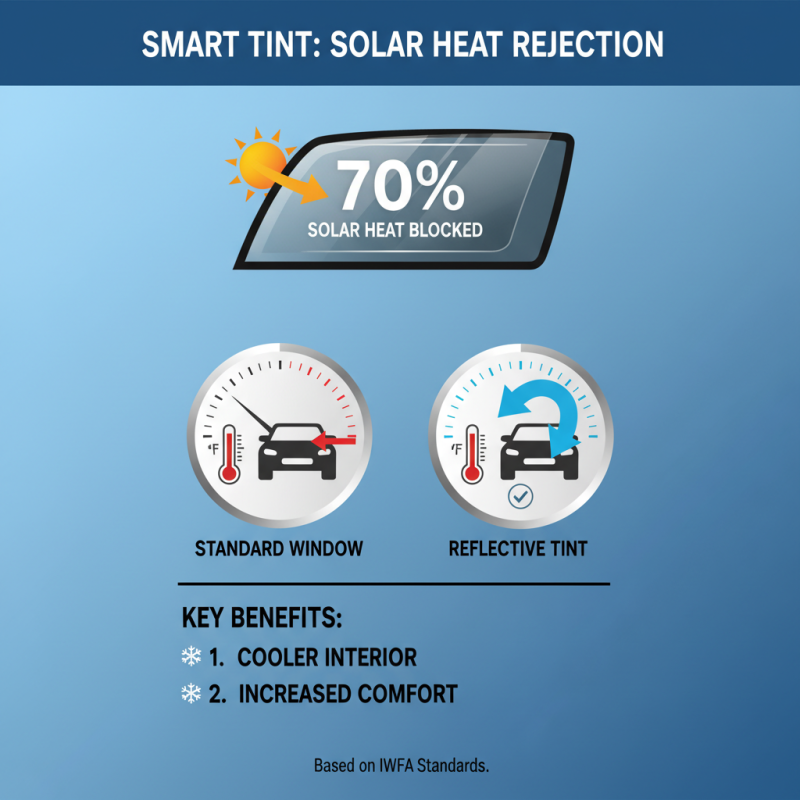
When choosing a reflective tint for vehicle windows, understanding solar heat rejection ratings is crucial. These ratings measure how effectively a tint can block solar energy. According to the International Window Film Association, high-quality tints can reject up to 70% of solar heat. This significant reduction can help maintain a comfortable temperature inside the vehicle, especially during hot summer days.
However, not all tints are created equal. Some products may only achieve a heat rejection rate of around 30%. This can lead to increased reliance on air conditioning, wasting energy and increasing fuel consumption. It's essential to compare the specifications of different tints before making a choice. Look for independent testing reports to ensure the product's claims are verified.
Pay attention to Visible Light Transmission (VLT) percentages as well. A higher VLT means more natural light enters while still providing some heat rejection. Ideally, you want a balance between comfort and visibility. Finding this balance can sometimes feel overwhelming, but it's worth the effort for long-term benefits. Make a choice that not only enhances your vehicle’s aesthetics but also improves energy efficiency.
Analyzing the Impact of Reflective Tint on Vehicle Aesthetics and Value
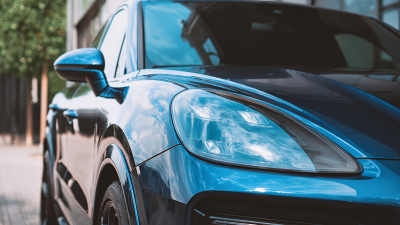
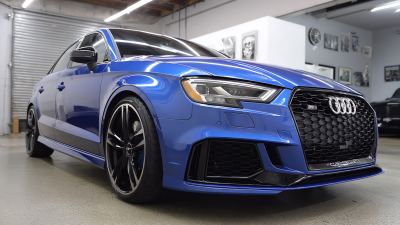
Reflective tint can drastically alter how a vehicle looks. The right choice enhances aesthetics while providing practicality. Darker tints may attract attention, but not all shades suit every model. Consider the vehicle's color and style. A sleek black car might look stunning with a deep tint, while a bright vehicle could clash.
The value of a car can also be affected by the choice of tint. Aesthetically pleasing tints often increase appeal. However, choosing an overly bright or mismatched tint may deter potential buyers. The balance between attractiveness and practicality is crucial. Reflective tints can cut glare but may limit visibility.
Reflective tints do more than change appearance; they impact comfort as well. They keep interiors cooler, extending the life of upholstery. Yet, it's essential to evaluate how tint impacts driving safety. Ample visibility is vital. A beautiful car shouldn't come at the cost of safety or comfort. Think twice before making a decision; it requires thorough consideration.