How to Choose the Best Car Window Tint for Your Vehicle?
Choosing the right Car Window Tint is crucial for vehicle owners. It not only enhances aesthetics but also offers significant benefits. According to a report by the International Window Film Association, proper window tint can block up to 99% of harmful UV rays. This reduction is essential for protecting both the interior of the car and passengers' skin.
Expert Mark Johnson states, “Selecting the best Car Window Tint requires careful consideration of both local laws and personal needs.” Ensuring compliance with regulations is crucial to avoid penalties. Additionally, differences in tint types can affect visibility, heat rejection, and glare reduction.
While many people prioritize look over functionality, this can lead to regrets. Some films may not last, fading over time. It's vital to research and perhaps consult a professional before making a choice. Investing time in understanding the various options can enhance both comfort and safety on the road.
Understanding the Benefits of Car Window Tinting
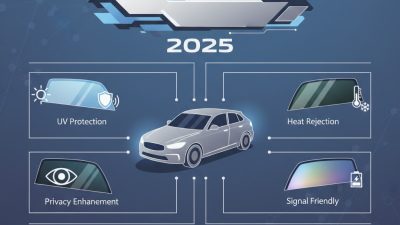
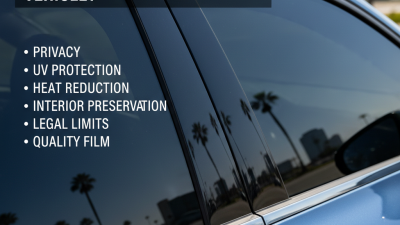
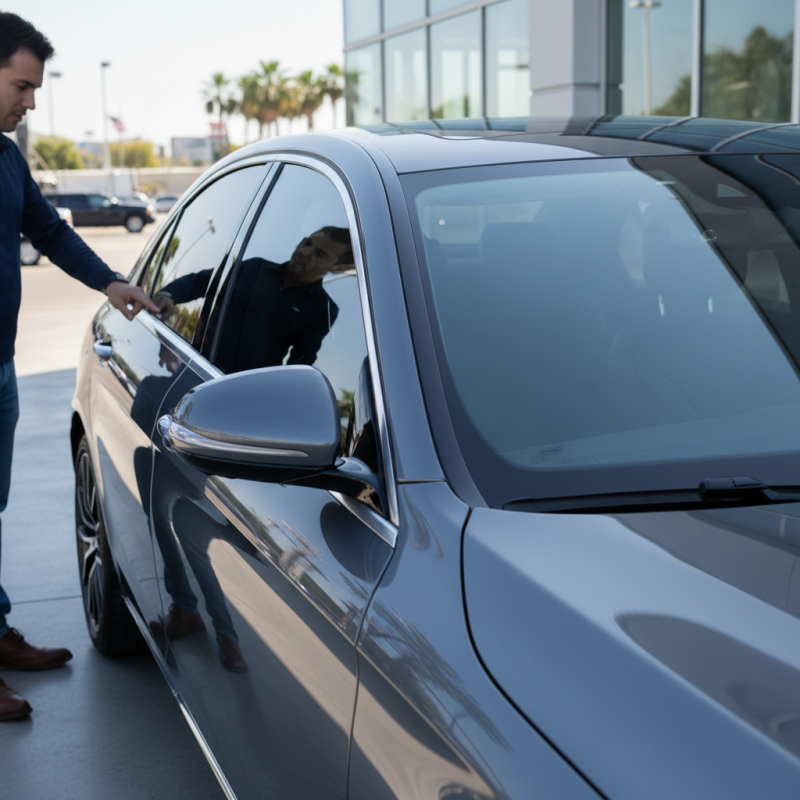
Window tinting is more than just a style choice for your vehicle. It offers various benefits that enhance safety and comfort. Research shows that window tinting can block up to 99% of harmful UV rays. This protects your skin and prevents car interiors from fading. Most people spend hours in their cars. Quality tint can make those hours more enjoyable.
Another advantage is heat reduction. Tinted windows can reduce interior temperatures by 30% or more. This means less reliance on air conditioning, which can improve fuel efficiency. A study indicates that window tinting can lead to a 30% energy savings in vehicle cooling. It's a smart choice for anyone living in warmer climates.
Tip: Consider choosing a film with a higher infrared rejection rate. This adds extra comfort and protection.
When selecting a tint, think about visibility and legal restrictions. Several regions have strict laws regarding how dark your tint can be. Not all tints are created equal; some may not meet safety standards.
Tip: Always check your local regulations before applying tint to ensure compliance. Research the materials and warranties offered by different options. Not all products guarantee long-lasting performance.
How to Choose the Best Car Window Tint for Your Vehicle?
Types of Car Window Tint Films and Their Characteristics
Choosing the right car window tint film can be overwhelming. There are different types, each serving specific purposes. Understanding these can help you make an informed decision.
Dyed films are popular for their affordability and aesthetic appeal. They absorb heat and keep the car interior cool. However, they don’t provide much UV protection.
Reflective films, on the other hand, offer excellent glare reduction. They bounce sunlight away and enhance privacy. But beware; they can look too shiny, which some may not prefer.
Ceramic films are top-tier options. They block UV rays effectively without affecting visibility. Yet, their high price might deter some buyers.
Metalized films, while efficient in heat rejection, can interfere with electronic signals. Not everyone considers these trade-offs. Thus, prioritize your specific needs when selecting the ideal film for your vehicle.
Legal Considerations for Car Window Tinting by State
When choosing window tint for your car, legal considerations are paramount. Each state has unique regulations governing window tinting. Data from the International Window Film Association (IWFA) indicates that in many states, the front windshield may only have a certain percentage of tint. For instance, most states allow 70% of visible light to pass through the front windows. Getting it wrong could lead to fines or legal issues.
Some states are stricter than others. In California, the law allows front side windows to have a maximum tint of 70%. In contrast, New York permits a slightly darker tint on the front windows. The difference can be confusing. It’s crucial to research local laws before applying any tint. There are exemptions in some states for medical reasons, but these require documentation.
Awareness of legalities is just part of the process. Improper installation or unsuitable materials can also lead to issues. Some drivers choose DIY options but often regret these decisions. Professionals ensure compliance and help prevent costly mistakes. Understanding these factors can ultimately lead to a better choice for your vehicle's tint.
How to Assess the Quality of Window Tint Installation
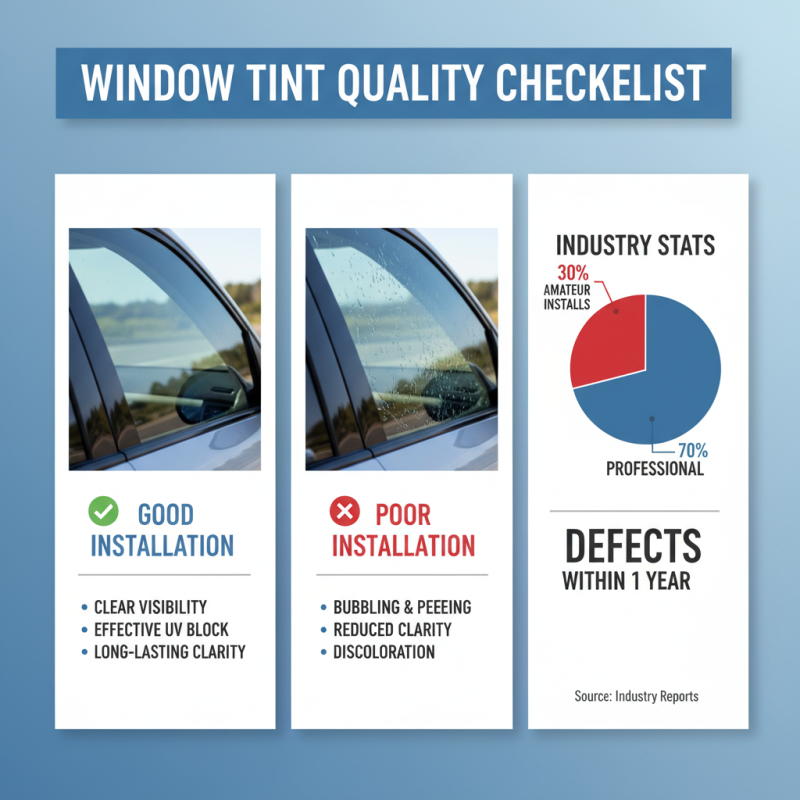
When considering window tinting, installation quality is crucial. A well-installed tint can enhance visibility and offer better UV protection. Poor installation, however, may lead to bubbling, peeling, or discoloration. According to industry reports, around 30% of tint installations performed by amateurs show defects within the first year.
To assess installation quality, check for even edges and smooth surfaces. A professional installer should ensure the tint aligns perfectly with the vehicle’s glass edges. Inspect for bubbles immediately. Small air pockets may develop into larger issues later on. Installing window film correctly requires specific tools and expertise. Ask potential installers about their experience and techniques used in their service.
Tips: Always inquire about warranty options for the installation. A three to five-year warranty can indicate a commitment to quality. Look for installers with education in automotive window film. They are likely more skilled than hobbyists. Reading online reviews can help you gauge customer satisfaction. Remember, expertise can make a significant difference in the longevity of your tint.