How to Choose the Best Car Window Tint for Your Vehicle?
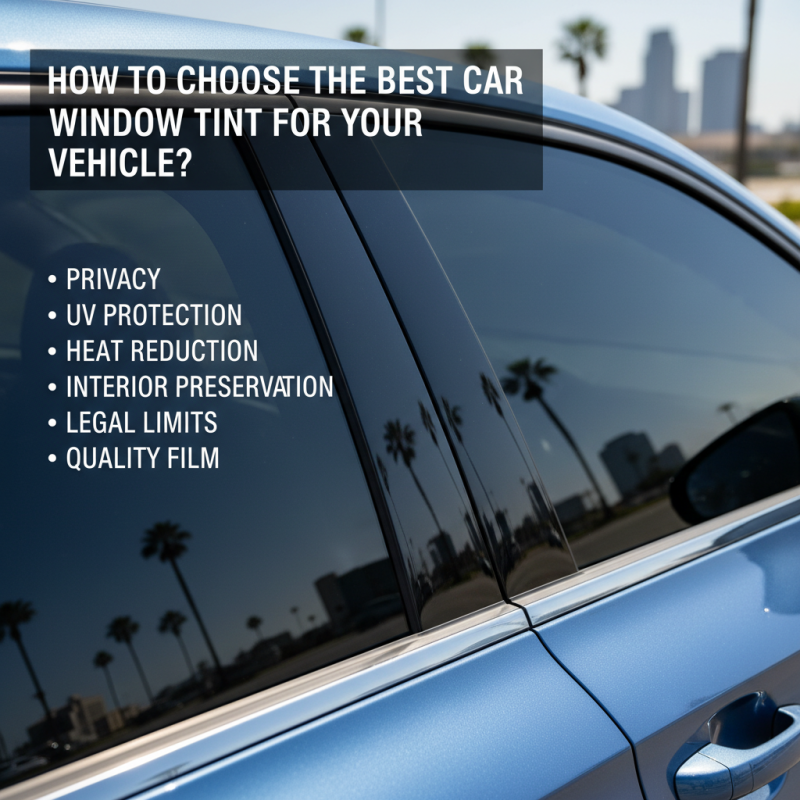
Choosing the right car window tint is crucial for enhancing your driving experience. A good car window tint provides privacy, UV protection, and reduces heat. It can also help protect your car's interior from fading. However, the market offers a plethora of options, making the decision overwhelming.
Different tints come with varying levels of darkness and materials. Some may not meet your state’s regulations. Hence, researching the legal limits is essential. It's important to think about your needs. Do you prioritize heat rejection or glare reduction?
With so many options, mistakes can happen. Choosing a cheap tint might lead to fading or bubbling. Opting for a high-quality film can be a better investment in the long run. Take time to consider your preferences and the characteristics of different tints. The right choice can enhance your vehicle's look while providing numerous benefits.
Understanding the Different Types of Car Window Tint Available
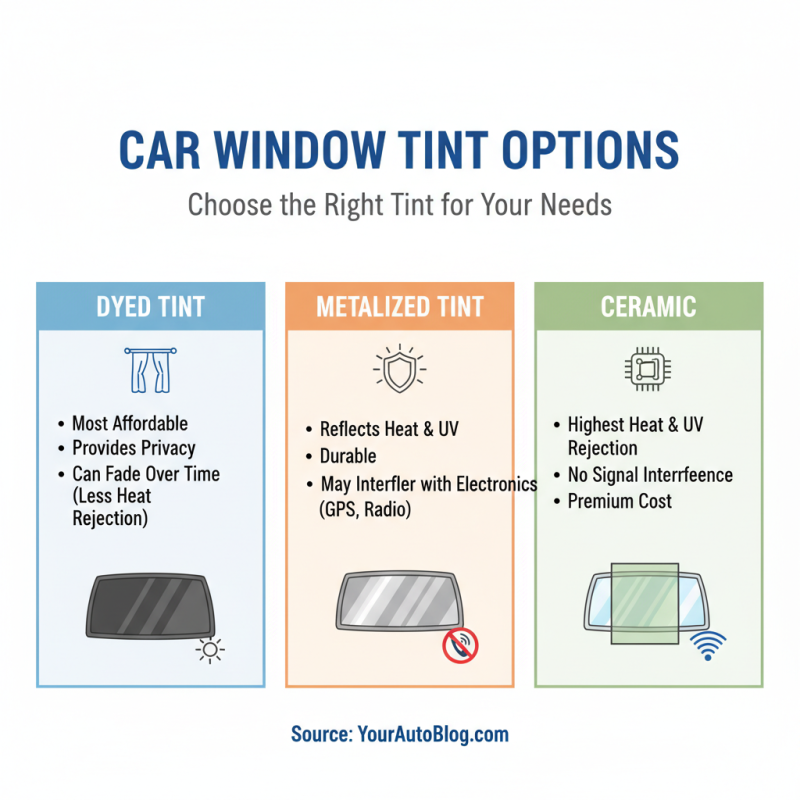
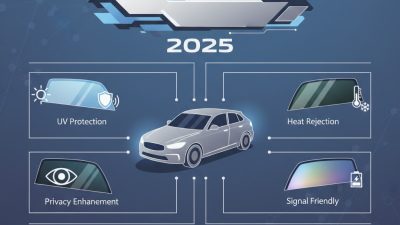
When it comes to car window tint, understanding the options is essential. Various types of tints serve different purposes. You may choose from dyed, metalized, and ceramic tints. Each type offers unique benefits. Dyed tint is affordable and provides privacy. However, it can fade over time. Metalized tint reflects heat and UV rays but may interfere with electronic signals.
Ceramic tint stands out for its performance. It blocks heat effectively while allowing visibility. This type is more durable and doesn’t fade easily. However, the cost can be higher. Many people overlook the importance of quality, focusing solely on price. This choice can lead to regrets later, especially with cheaper options that don’t meet expectations.
Different states have varying laws regarding tint darkness and reflectivity. Be sure to check regulations where you live. Ignoring these rules can lead to fines and the need to remove the tint. Ultimately, understanding the different car window tints helps you make an informed decision, ensuring your vehicle looks good and remains comfortable.
Evaluating Visible Light Transmission (VLT) Percentages for Optimal Tinting
Choosing the right car window tint involves understanding various factors, especially the Visible Light Transmission (VLT) percentage. VLT measures how much light can pass through a tinted window. For example, a tint with 50% VLT allows half of incoming light, while 20% VLT lets in only one-fifth. This can significantly affect visibility and comfort.
It's tempting to go for a darker tint. But it’s essential to consider local regulations. Some areas have strict rules on VLT percentages. A dark tint may look sleek, but it can reduce visibility, especially at night. You might find yourself squinting into the darkness. Furthermore, if your vehicle faces the sun, a darker tint may trap heat, causing discomfort.
Selecting a tint isn't solely about aesthetics. Think about how often you drive at night versus during the day. A darker tint might enhance your privacy. But if you do a lot of night driving, it could be counterproductive. Balancing style with safety is crucial. Check your state's regulations and personal needs before making a choice.
Exploring UV Protection Standards and Health Benefits of Window Tint
When selecting car window tint, understanding UV protection standards is crucial.
Studies indicate that UV rays can contribute to skin cancer. Approximately 53% of skin cancer cases are related to UV exposure in cars. Window tints can block up to 99% of harmful UV radiation, significantly reducing this risk.
Not all window tints offer the same protection. Look for films that meet UV protection standards like ASTM and ISO. These certifications ensure that the tint provides adequate shielding. For instance, a reputable report indicated that high-quality films maintained their UV-blocking capabilities over time, while lower quality tints deteriorated quickly. This inconsistency may lead consumers to think they are protected, when they are not.
Health benefits extend beyond skin protection. Excessive UV exposure inside a vehicle can lead to premature aging and eye damage. Research shows that car drivers are at a higher risk of developing cataracts due to UV rays. Yet, many individuals overlook this aspect when choosing their window tint. It is a vital consideration, as window film can serve as a barrier, providing both comfort and health safety.
Assessing State Regulations on Car Window Tinting by Region
When considering car window tinting, state regulations play a crucial role. The legality of window tint varies by region. In some states, you may find strict rules on visible light transmission (VLT) percentages. For example, a report by the International Window Film Association indicates that states like California allow only 70% VLT on the front windows. Meanwhile, states like Texas permit a darker tint, allowing as low as 25% VLT for sedans.
It's essential to research local laws before making any decisions. Some states impose fines and require removal of illegal tints. A study found that approximately 45% of vehicle owners were unaware of their state's regulations. This lack of knowledge can lead to costly mistakes. For instance, a windshield illegally tinted at 5% VLT in New Jersey could result in a fine reaching $200. Understanding your region's rules isn't merely about compliance; it affects your safety and the safety of others on the road. Always verify the regulations where you live. Seeking professional advice can be beneficial, as many window tinting services stay updated on local laws and can guide you accordingly.
How to Choose the Best Car Window Tint for Your Vehicle?
| Region |
Visible Light Transmission (%) |
Reflection (%) |
UV Protection (%) |
Legal Notes |
| California |
70% |
10% |
99% |
Front windows must allow over 70% VLT. |
| Texas |
25% |
25% |
99% |
Front sides must allow at least 25% VLT. |
| Florida |
28% |
15% |
99% |
Windshield must comply with a minimum of 28% VLT. |
| New York |
70% |
20% |
99% |
Front window tint must be over 70% VLT. |
| Illinois |
35% |
20% |
99% |
Windshield must have a minimum 35% VLT. |
Comparing Lifespan and Warranty Options for Quality Window Tint Films
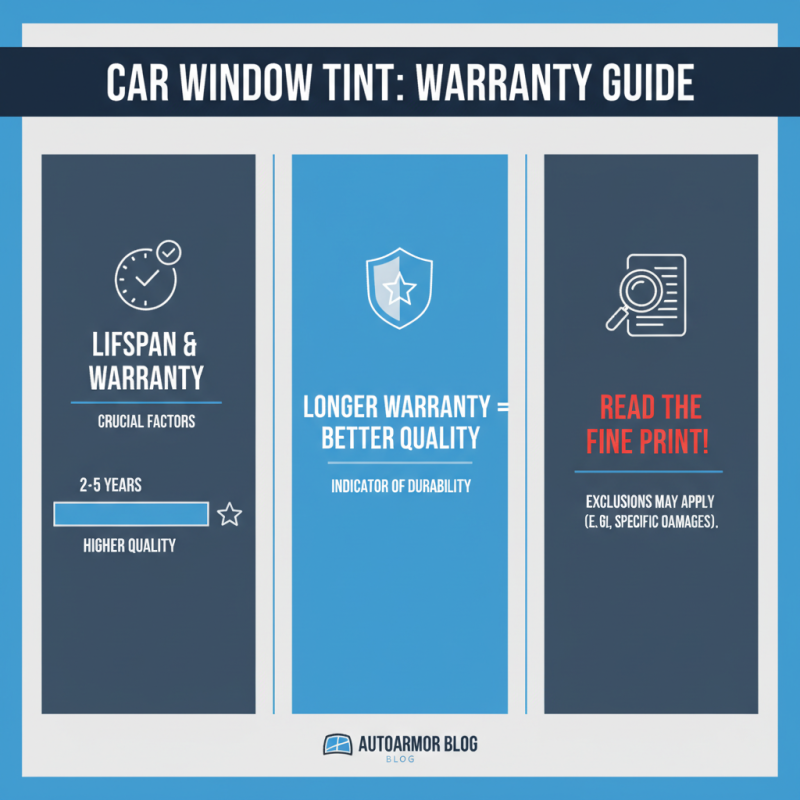
When selecting a car window tint, the lifespan and warranty are crucial factors. Quality window films offer different warranties. Some last a few years, while others can last a decade or more. A long warranty often signals higher quality. However, don’t overlook the fine print. Some warranties may exclude specific types of damage, leaving you unprotected.
Consider how the tint will perform over time. Cheaper films may fade or peel quickly. In contrast, premium options often have special coatings to resist scratches and UV damage. This can save money in the long run. Think about how frequently you drive or park in harsh sunlight. The right choice may depend on your specific needs.
Reflect on your priorities. Are you after aesthetics, UV protection, or both? Higher lifespan films usually cost more upfront. However, they might avoid the need for early replacements. This is a personal choice. Weigh the benefits and potential downsides. Investing time in research can lead to a more satisfying result.