Top Tips for Choosing Car Anti Scratch Film for Protection
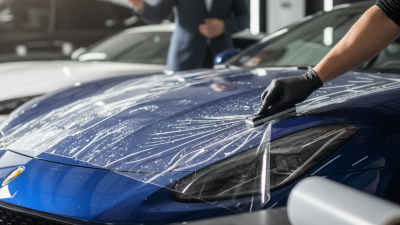
When protecting your car's exterior, investing in a Car Anti Scratch Film is essential. This film acts as a shield against scratches, chips, and environmental damage. A good choice can greatly enhance your vehicle's longevity and appearance. However, selecting the right film requires careful consideration.
Consider the clarity and thickness of the film. A thicker film tends to offer better protection, but it may affect the look of your car. Look for products with high transparency to maintain your vehicle's original aesthetic. Not all films are created equal; some may yellow or bubble over time. Research reviews to ensure you choose a reputable brand.
Installation is another key factor. While some prefer professional installation, many films offer DIY kits. A flawless application is crucial for achieving optimal results. Mistakes during application can lead to an unattractive finish. Take your time and follow instructions closely for the best outcome. A well-chosen Car Anti Scratch Film can protect your investment, but only if selected with thought and care.
Understanding Car Anti Scratch Film: What You Need to Know
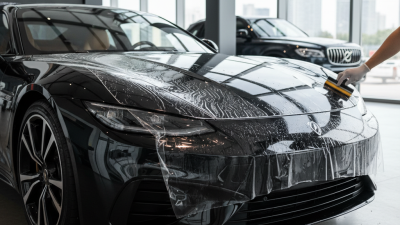
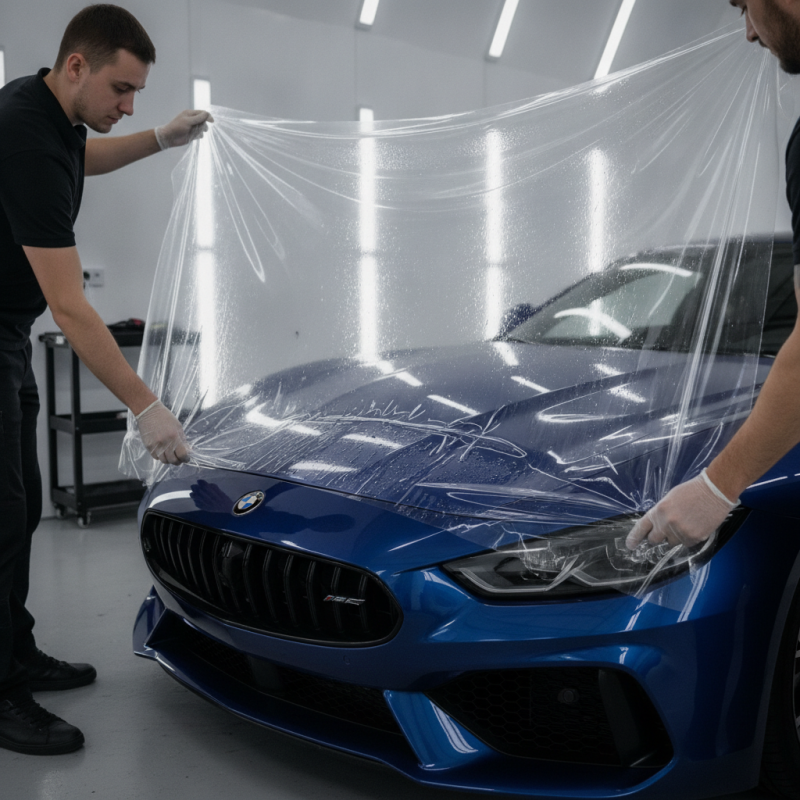
Choosing the right car anti-scratch film can significantly enhance your vehicle’s protection. It’s essential to understand the basics before making a decision. Anti-scratch films are thin layers of material applied to car surfaces. These films can absorb impacts and resist scratches effectively. When installed properly, they provide a nearly invisible shield.
Material quality matters. Look for films that offer high durability. Thicker films often provide better protection, but they can alter the look of your car. Consider the clarity and gloss level as well. It’s not just about protection; aesthetics play a role too. Installing the film can be tricky. Improper application may lead to bubbles or peeling. DIY isn’t always the best route.
Understand that no film is entirely scratch-proof. Even the best options may show signs of wear over time. Regular maintenance can help extend the film’s lifespan. If you notice any issues, it’s worth consulting a professional. Balancing protection and appearance requires thoughtful consideration. Each choice impacts your vehicle’s longevity and visual appeal.
Top Tips for Choosing Car Anti Scratch Film
Types of Car Anti Scratch Films: A Comparative Overview
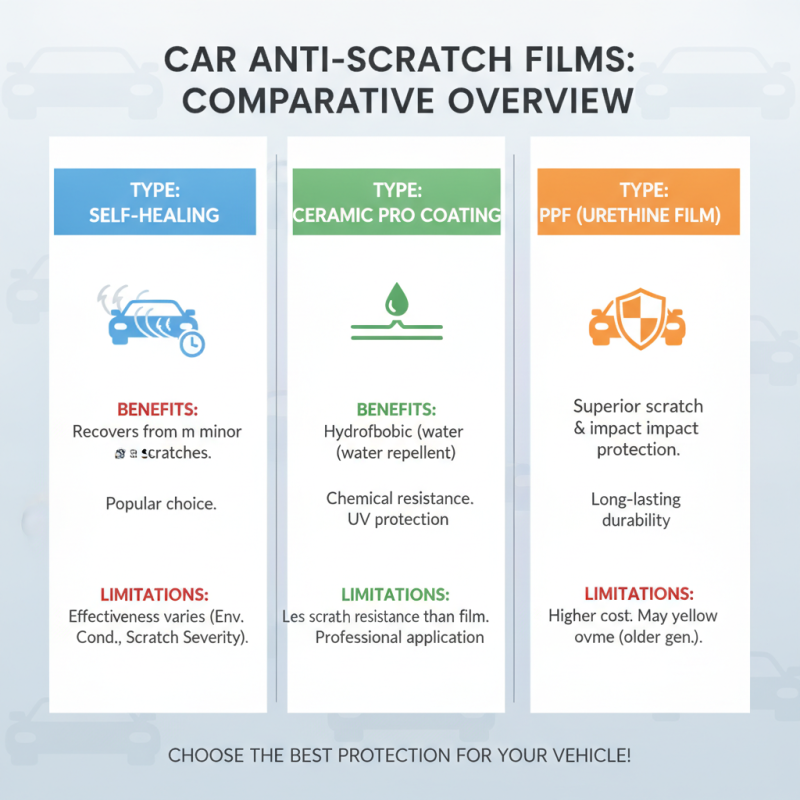
When considering car anti-scratch films, it's essential to understand the different types available. Each film type offers various benefits and limitations. According to recent industry reports, self-healing films have gained popularity. They can recover from minor scratches over time, which is a major advantage for vehicle owners. However, their effectiveness can depend on environmental conditions and the severity of the scratch.
Another common type is clear polyurethane film. This option is known for its durability and resistance to yellowing. Many professionals recommend this type for high-exposure areas like hoods and bumpers. However, some users have reported difficulty in application, particularly in curved areas of the car. This can be frustrating and may require professional installation to achieve optimal results.
Vinyl films are also worth noting. They are typically more affordable and available in various finishes. However, they might not offer the same level of protection compared to self-healing or polyurethane films. It's crucial to weigh the pros and cons of each type carefully. Some customers have experienced disappointment when the cheaper film did not hold up to expectations. Ultimately, the best choice varies by individual needs and vehicle usage.
Key Factors to Consider When Selecting Anti Scratch Film
When selecting anti-scratch film for your car, several key factors come into play. The film's thickness is crucial. Thicker films often provide better protection against scratches and chips. However, they may be harder to install and can alter the appearance of your car's finish. It’s a delicate balance between protection and aesthetics. Understanding your vehicle’s surface is essential. Some surfaces may require specific types of films for optimal adhesion.
Another important consideration is clarity. The best films offer optical clarity, ensuring that your car's paint remains vibrant and unblemished. Low-quality films may cause distortion, impacting your vehicle's appearance. Testing a small section can be beneficial. Consider UV protection as well. Quality anti-scratch films should block harmful UV rays to prevent paint fading. Opt for films with warranties to ensure they will hold up over time against environmental elements.
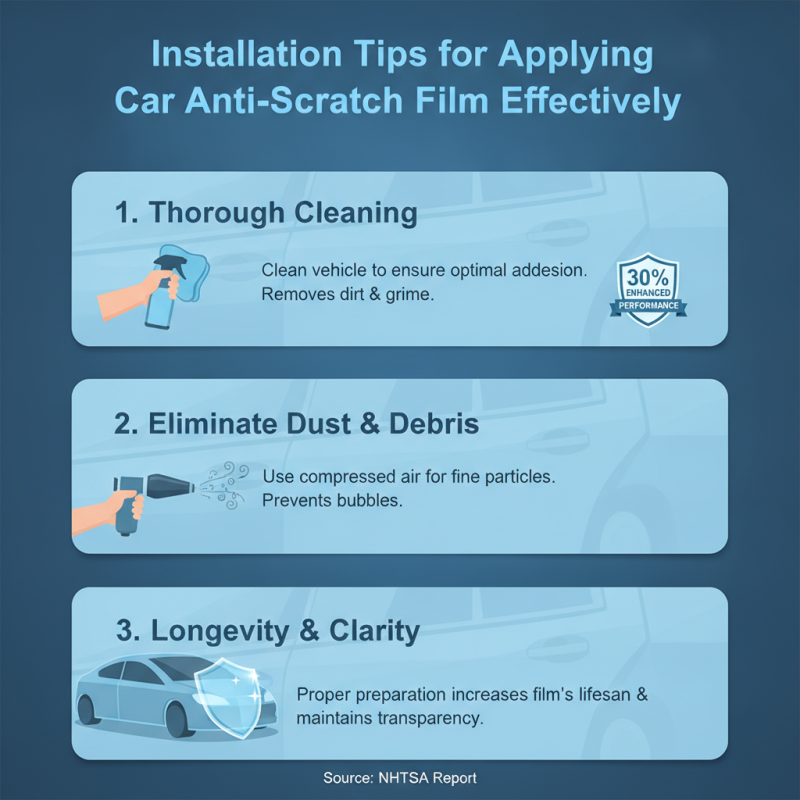
Lastly, installation is an often-overlooked aspect. Professional installation guarantees a smoother finish and prevents bubbles. However, if you choose to do it yourself, ensure you have the right tools and follow instructions closely. Mistakes during installation can lead to significant issues down the line, such as lifting edges or creases. Reflect on your choices and invest time in research before making your decision.
Top Tips for Choosing Car Anti Scratch Film for Protection - Key Factors to Consider When Selecting Anti Scratch Film
| Feature |
Description |
Importance Level |
| Thickness |
A thicker film generally provides better protection against scratches and impacts. |
High |
| Self-Healing |
Films with self-healing properties can recover from minor scratches and swirls. |
Medium |
| UV Resistance |
UV resistant films help protect your car's paint from fading caused by sun exposure. |
High |
| Clarity |
High clarity films ensure that the paint underneath remains visible and vibrant. |
High |
| Application Ease |
Films that are easier to apply without bubbles save time and effort during installation. |
Medium |
| Warranty |
A good warranty indicates the manufacturer's confidence in the product’s durability. |
High |
Maintenance Practices to Preserve the Quality of Anti Scratch Film
Maintaining the quality of your car's anti-scratch film is essential for long-lasting protection. Regularly cleaning the film is a simple yet effective practice. Use a mild soap solution and a soft cloth to avoid scratching the surface. Always rinse thoroughly to prevent soap residue from dulling the shine. Maintaining a routine cleaning schedule helps retain clarity and prevents dirt accumulation.
Another key aspect is to avoid parking in direct sunlight for extended periods. UV rays can weaken the adhesive and cause yellowing over time. Whenever possible, park in shaded areas or use a car cover. This habit not only preserves the film but also protects your entire vehicle's exterior.
Be cautious with touchless car washes. While convenient, high-pressure sprays can sometimes lift the edges of the film. Opt for gentle cleaning methods to minimize the risk of damage. Inspect the film regularly for any signs of wear and tear. This proactive approach can help you address issues before they worsen. Taking these steps ensures that your anti-scratch film continues to perform effectively.