How to Choose the Right Ceramic Tint for Your Vehicle?
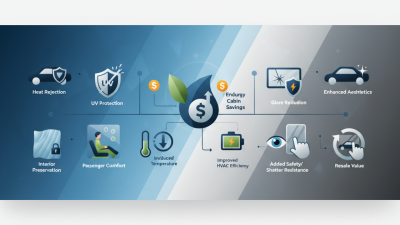
Choosing the right Ceramic Tint for your vehicle can be daunting. Many factors come into play, and it’s essential to consider them carefully. Ceramic Tint offers benefits like UV protection and heat reduction, making your ride more comfortable. However, not all tints are created equal.
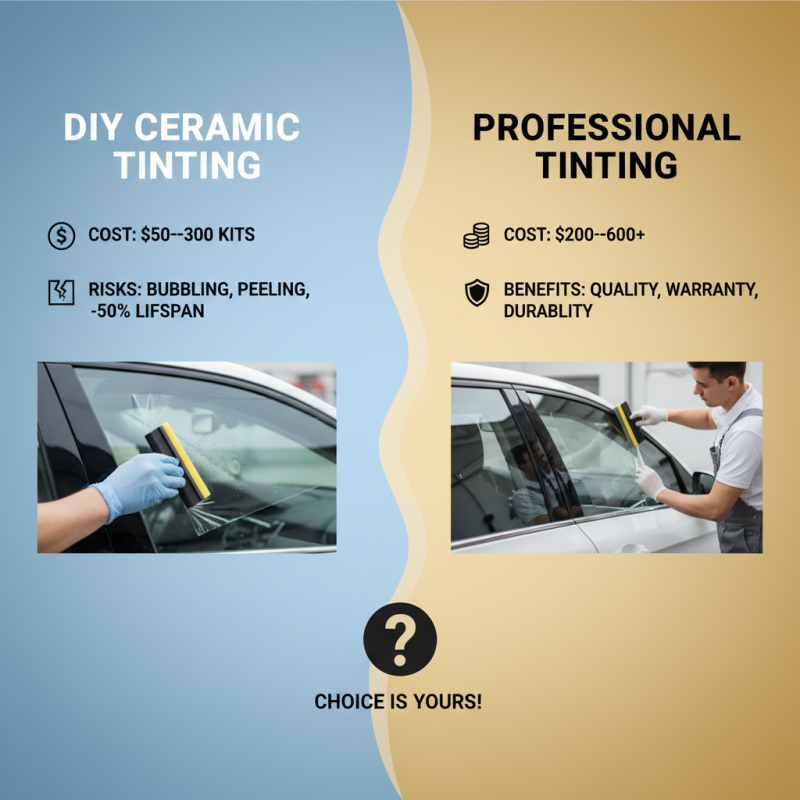
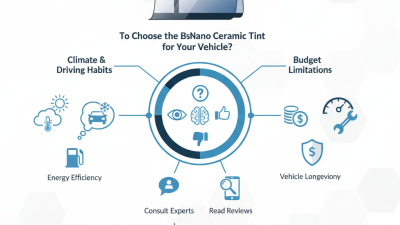
Understanding the different types of Ceramic Tint available is crucial. Some provide more heat rejection, while others excel in glare reduction. Evaluating factors like brand reputation, warranty, and installation quality can enhance your decision-making. Don’t overlook the importance of professional installation to achieve optimal results.
Personal preferences also matter. Ask yourself how dark you want the tint to be. Consider your local laws regarding tint darkness. Keep in mind that while dark tints may look cool, they can impair visibility at night. Reflecting on these aspects will help ensure you choose the best Ceramic Tint for your vehicle, balancing aesthetics and practicality.
Understanding the Basics of Ceramic Window Tinting for Vehicles
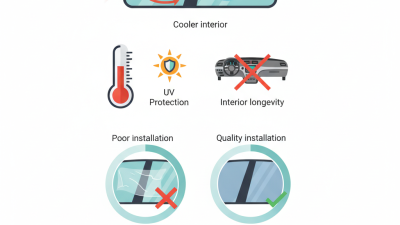
Choosing the right ceramic tint for your vehicle begins with understanding its fundamental benefits. Ceramic window tinting, known for its heat rejection capabilities, often blocks up to 99% of harmful UV rays. A study by the International Window Film Association reveals that quality ceramic tints can reduce interior temperatures by up to 40%. This makes them invaluable for maintaining your vehicle's comfort and protecting its interior.
When selecting ceramic tint, consider your climate. In warmer regions, a higher heat rejection percentage is essential. Many products offer varying levels of tint darkness, impacting visibility and legal compliance. It’s crucial to research local regulations about window tinting before making a decision.
Tips: Always check for a manufacturer’s warranty. A reliable warranty can indicate product quality. Think about professional installation. Even the highest quality tint can fail if not applied correctly. Take time to plan your choices; a rushed decision may lead to dissatisfaction later. Remember, investing in your vehicle's tint means prioritizing comfort and protection.
Evaluating the Benefits of Ceramic Tint Compared to Other Types
Ceramic tint offers distinct advantages over traditional tint options. One primary benefit is superior heat rejection. The advanced materials used in ceramic tint block infrared rays, reducing cabin heat and improving comfort during hot days. This is particularly vital for people living in sunny climates. Many people still choose old-school tints without knowing this advancement.
Another notable advantage is the clarity of vision. Ceramic tint does not interfere with visibility, unlike some darker tints. This means you can drive safely while still enjoying sun protection. Some users worry about glare. Choosing a high-quality ceramic tint can help minimize this issue effectively.
Durability is yet another reason to consider ceramic over other types. With its scratch-resistant properties, this tint often outlasts dyed or metalized alternatives. However, it is essential to balance cost and quality. Not all ceramic tints are created equal, and some cheaper options might not provide the same level of performance. Investing in a reputable product ensures long-term benefits, making it a wise choice for many vehicle owners.
Factors to Consider When Selecting Ceramic Tint for Your Vehicle
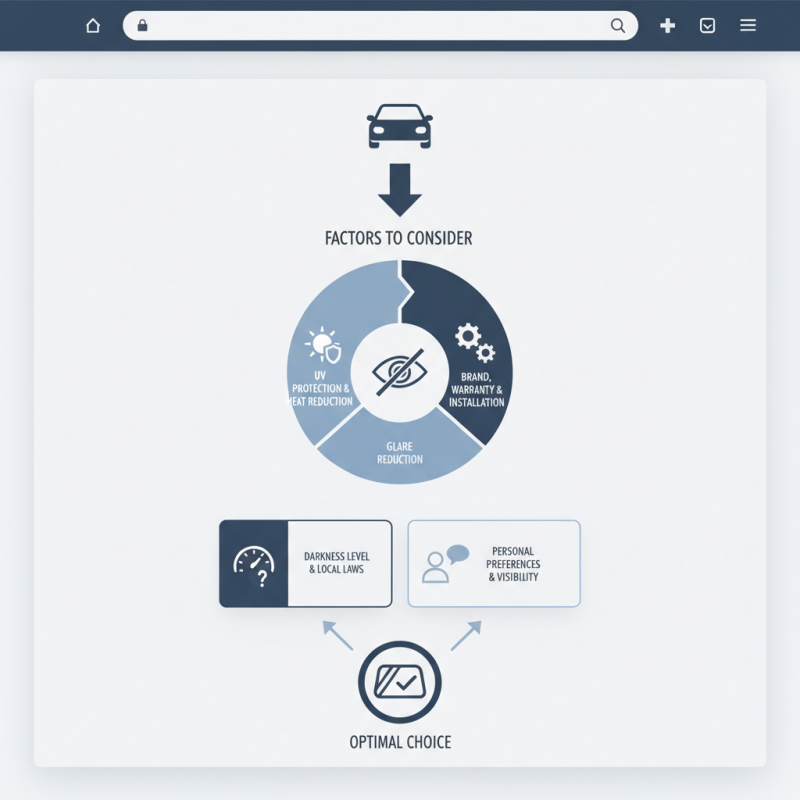
When choosing ceramic tint for your vehicle, several important factors come into play. First, consider the level of heat rejection. Quality ceramic tints can block up to 99% of harmful UV rays while also reducing heat inside your car. This not only enhances comfort but also protects your interior from fading. Pay attention to the visible light transmission (VLT) percentage as well. This figure tells you how much visible light enters your vehicle, directly impacting your driving experience.
Another aspect to ponder is the tint’s durability. Unlike traditional tints, higher-quality ceramic options are resistant to scratches and fading. This longevity ensures that your investment maintains its aesthetic appeal over time. Think about your local climate as well. In extremely sunny areas, a higher level of tint may be essential. However, a darker tint might not be suitable for regions prone to rain or fog.
Lastly, remember to check applicable laws regarding tint levels in your area. Some states have strict regulations on how dark your tint can be. It’s crucial to ensure compliance while still choosing a product that meets your needs. Balancing aesthetics and legality can be challenging, but it’s necessary for peace of mind.
How to Choose the Right Ceramic Tint for Your Vehicle?
| Factor |
Description |
Importance Level |
| UV Protection |
Choose a tint that blocks at least 99% of UVA and UVB rays to protect passengers and the vehicle's interior. |
High |
| Heat Rejection |
Select a tint that effectively reduces solar heat to enhance comfort and reduce air conditioning costs. |
High |
| Visible Light Transmission (VLT) |
Determine the percentage of light that can pass through the tint; consider legal regulations and personal preference for visibility. |
Medium |
| Durability |
Select a ceramic tint that is scratch-resistant and will withstand harsh weather conditions without fading. |
High |
| Aesthetic Quality |
Choose a tint shade that complements the vehicle's color and design while ensuring a sleek appearance. |
Medium |
| Price |
Evaluate various options that fit your budget while considering the quality and features of the tint. |
Medium |
| Installation Service |
Consider professional installation for best results; some tints may require specific techniques for application. |
High |
Comparing Different Ceramic Tint Brands and Their Features
When selecting a ceramic tint for your vehicle, it is crucial to compare the features of various brands. Each brand offers different levels of heat rejection. According to industry studies, high-quality ceramic tints can block up to 99% of UV rays. This not only protects the car's interior but also safeguards passengers from harmful sun exposure. Many manufacturers provide precise heat rejection ratings, often ranging between 40% to 85%. It is essential to analyze these numbers to choose the appropriate tint that meets your needs.
Another vital aspect is glare reduction. Some brands boast excellent glare-blocking capabilities, which can enhance driving comfort. Industry reports suggest that a tint with a 20% visible light transmission can significantly reduce glare, improving visibility without making the interior too dark. Additionally, look for materials that offer durability and scratch resistance. It is noteworthy that lower-quality tints may fade over time, leading you to reconsider your choice later on.
Lastly, consider the warranty offered by different brands. A warranty can reflect the manufacturer's confidence in their product. Typically, trusted brands provide warranties lasting 5 to 10 years, ensuring longevity. Yet, some users report issues even with reputable brands, emphasizing the necessity of careful selection and personal experience. The right ceramic tint should not only enhance your vehicle's aesthetics but also provide comfort and protection over time.