How to Choose the Best Paint Film for Your Project?
Choosing the right Paint Film for your project can seem daunting. Industry reports indicate that improper selection can lead to premature failure, costing time and money. A survey by the American Coatings Association states that over 30% of projects fail due to inadequate surface preparation and material choice. This highlights the importance of understanding various Paint Film types.
Different Paint Films cater to unique needs. For example, water-based films are environmentally friendly, yet solvent-based options may offer superior durability. Not every application will suit every type of film. Selecting the wrong one can lead to peeling or discoloration. According to research by the National Paint and Coatings Association, nearly 50% of users do not fully comprehend product specifications.
Additionally, preferences vary significantly among professionals. Some gravitate toward glossy finishes while others prefer matte. This choice can affect the film's performance. Testing and feedback are crucial. Reflecting on past projects reveals areas for improvement. Understanding these complexities can ultimately enhance your decision-making process.

Understanding Different Types of Paint Films Available in the Market
When considering paint films, it's essential to understand the different types available. Each type serves a unique purpose and has distinct characteristics. For example, water-based films are easy to clean and offer low odor. They dry quickly, which is convenient for projects requiring fast turnaround. However, they may not adhere well in high-humidity areas.
On the other hand, oil-based films provide durability and richer color depth. They excel in exterior applications or on trim work. But, they take longer to dry and require solvents for cleanup. This can be off-putting for some DIY enthusiasts.
There are also specialty films, like high-gloss or matte finishes, to consider. Each finish impacts the final appearance significantly. Reflecting on your project goals and environment will guide your choice.
Evaluating the Durability and Longevity of Paint Film Options
When selecting a paint film, durability and longevity are key factors. Consider the environment where the paint will be applied. Harsh weather conditions can degrade paint quickly. For outdoor projects, choose films that resist fading and moisture. Indoor applications may require finishes that endure wear and stains.
Tips: Always check the paint's ratings for durability. Look for features like UV resistance and scratchproof finishes. These details make a difference over time. You might find some options seem ideal initially, but they can fall short after exposure to elements.
Reflect on your project's specific needs. A high-gloss finish can offer durability but may require more maintenance. Matte finishes, while visually appealing, can wear faster. Test samples on your surfaces. Observe how different paint films perform in real conditions. This practice provides insights that few written guides can match. The right choice ultimately hinges on your unique circumstances.
Considering the Surface Compatibility for Your Paint Film Selection
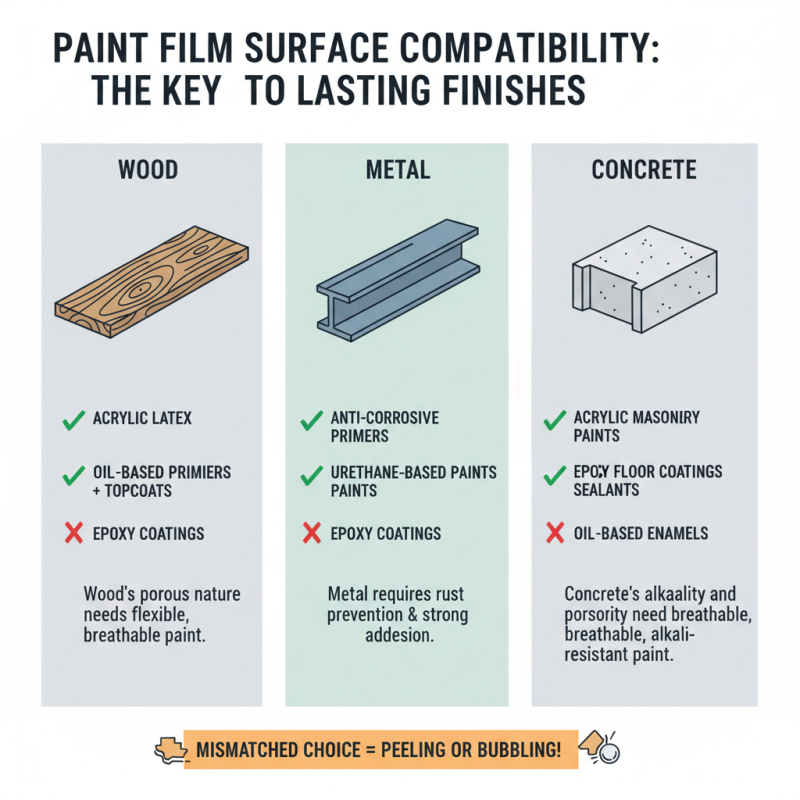
When selecting a paint film, surface compatibility is key. Different surfaces require different types of paint. For instance, wood, metal, and concrete all have unique properties. Each type reacts differently to various paint films. A mismatched choice can lead to peeling or bubbling.
Consider the texture of the surface. Smooth surfaces may work well with glossy finishes. On textured surfaces, a matte finish might be more appropriate. Think about the environment too. Outdoor surfaces need films resistant to moisture and UV light. Indoor surfaces may only need a durable finish with easy cleanability.
Don’t overlook the importance of preparation. Surface cleaning and priming can affect adhesion. If you skip these steps, you may regret it later. Test your paint on a small area first. This helps gauge how it interacts with the surface. Remember, the wrong choice can lead to wasted time and resources. Make your selection thoughtfully.
Assessing Cost vs. Quality in Paint Film Choices
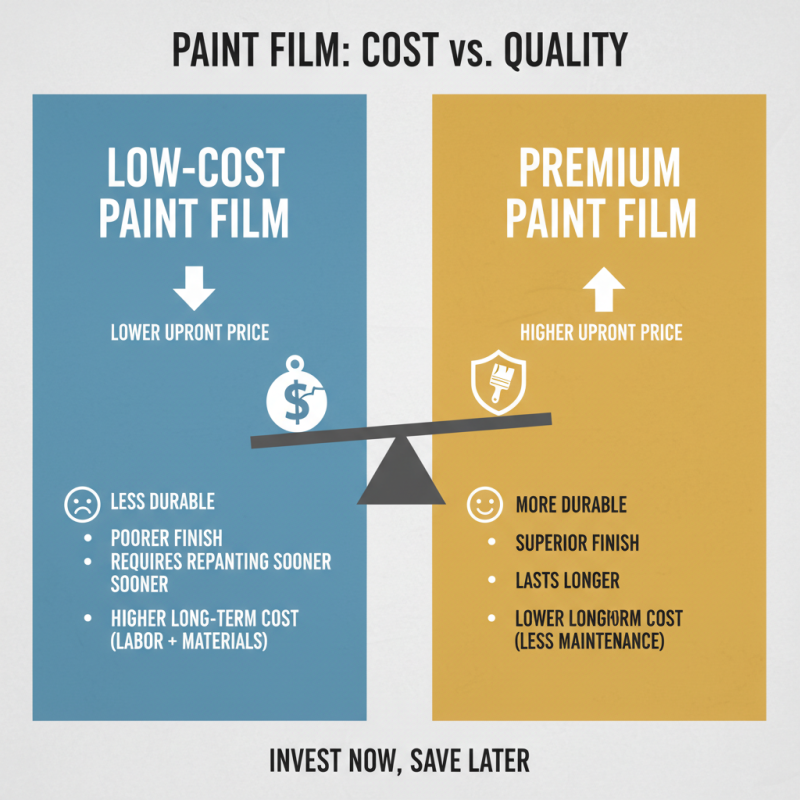
Choosing the best paint film for your project involves weighing cost against quality. Lower-priced options can be tempting. However, they often compromise on durability and finish. A cheap paint film might save money upfront, but could lead to high costs later. You'll need to repaint sooner. This can disrupt your schedule and require additional funds.
Quality paint films typically provide better coverage and longevity. They often resist scratches, fading, and peeling. Investing in high-quality materials can enhance your end result. Imagine the frustration of a peeling wall or a faded surface after just a year. It's not just about saving money; it's about minimizing repeated efforts. You might face a dilemma: should you skimp on cost, or prioritize quality for long-term satisfaction?
Consider your specific project needs too. A temporary solution may not need premium options, while a long-lasting finish’s importance cannot be overstated. Don’t rush the decision. Reflect on the environment your project will face. Will it endure moisture, heat, or heavy traffic? Each factor plays a role in choosing your paint film wisely. An informed choice can prevent regrets later. A little research can go a long way.
Reviewing Application Methods and Techniques for Different Paint Films
When selecting a paint film for your project, understanding application methods can significantly influence your results. Spraying, rolling, and brushing each have their unique advantages. Spraying is faster and provides a smooth finish, but it requires skill and can create overspray. Rolling can produce texture and is easier to control, but might leave lap marks. Brushing offers precision but can result in visible strokes.
Consider the surface you are painting. Smooth surfaces work well with spray techniques. Textured surfaces may require rolling to avoid mishaps. Be aware of the environmental conditions too. Humidity and temperature can affect drying times. In cooler weather, paint may take longer to cure. This can lead to dust settling on the surface.
Mistakes can happen, even for experienced painters. Perhaps the paint didn’t bond well, or you missed a spot. If you encounter drips or uneven areas, don't panic. A little touch-up can go a long way. Remember, each method may require practice to perfect. Embrace the learning process, and adjust your techniques as needed.
How to Choose the Best Paint Film for Your Project? - Reviewing Application Methods and Techniques for Different Paint Films
| Paint Film Type |
Application Method |
Duration |
Best Use |
Finish |
| Acrylic |
Brush, Roller, Spray |
1-2 hours per coat |
Interior & Exterior |
Matte, Satin, Gloss |
| Enamel |
Brush, Roller |
4-6 hours per coat |
Furniture, Cabinets |
High Gloss, Semi-Gloss |
| Latex |
Roller, Spray |
1-2 hours per coat |
Walls, Ceilings |
Flat, Eggshell |
| Oil-Based |
Brush, Roller |
6-8 hours per coat |
Trim, Molding |
Satin, Gloss |
| Chalk Paint |
Brush, Spray |
1-2 hours per coat |
Furniture, Decor |
Matte |