The Ultimate Guide to Choosing the Best Paint Protection Film for Your Vehicle
In today’s automotive landscape, maintaining the pristine condition of your vehicle is more crucial than ever, and one of the most effective ways to achieve this is through the application of Paint Protection Film (PPF).
According to industry reports, the global paint protection film market is projected to reach over $600 million by 2025, reflecting a growing trend among car enthusiasts and everyday drivers alike to safeguard their vehicles against scratches, UV damage, and environmental contaminants.
With the advancements in technology, modern PPF options not only provide superior protection but also enhance the aesthetic appeal of your vehicle. Choosing the right paint protection film can significantly impact the longevity and resale value of your car, making informed decisions vital for any vehicle owner.
In this ultimate guide, we will explore the key factors to consider when selecting the best Paint Protection Film for your needs, ensuring your investment stands the test of time.

Understanding the Basics of Paint Protection Film: What You Need to Know
Paint protection film (PPF) has gained significant traction among vehicle owners looking to preserve the aesthetic integrity of their cars. According to a report from MarketsandMarkets, the global paint protection film market is expected to reach $1.5 billion by 2024, driven by increasing consumer awareness of vehicle maintenance and the desire to maintain resale value. PPF is a thermoplastic urethane film that can shield your vehicle’s paint from scratches, rock chips, and environmental contaminants. Understanding the composition and application process of PPF is essential for ensuring you choose the best option for your vehicle.
One of the most critical aspects to consider is the thickness of the film. Most PPFs range from 6 to 12 mils, with thicker films providing enhanced protection against physical damage. Additionally, advancements in technology have led to the creation of self-healing films that can recover from minor scratches over time, enhancing their durability and longevity. A study by Grand View Research reveals that vehicles coated with PPF can retain up to 90% of their original paint quality after several years, making it a worthwhile investment for car enthusiasts and everyday drivers alike. Selecting the right paint protection film can lead to significant long-term savings and an unparalleled level of protection for your vehicle.
The Different Types of Paint Protection Films: Pros and Cons
When choosing the best paint protection film (PPF) for your vehicle, it's essential to understand the different types available, each with its own pros and cons. The two most common types of PPF are self-healing films and traditional films. Self-healing films are designed to recover from minor scratches and swirls, thanks to their advanced polymer technology. According to a report by the International Journal of Automotive Technology, self-healing films can maintain a pristine appearance for up to 10 years, making them a top choice for high-end vehicles. However, they come at a higher price point, which could be a consideration for budget-conscious buyers.
On the other hand, traditional films, while less expensive, may not offer the same level of durability or visual clarity over time. They are susceptible to yellowing and may require replacement sooner; typically within 3-5 years, based on exposure to environmental factors. However, they still provide reasonable protection against chips, scratches, and UV rays.
Tips: When selecting a paint protection film, consider the climate in your region. In areas with harsh weather, investing in a self-healing film may save money in the long run due to its longevity. Additionally, always choose a reputable installer, as the application quality significantly impacts the effectiveness and lifespan of the film.
Key Features to Look for in Quality Paint Protection Film
When choosing the best paint protection film (PPF) for your vehicle, it’s essential to focus on several key features that ensure high-quality protection. Look for films that offer superior scratch resistance, allowing your vehicle's paint to remain intact against minor abrasions. Additionally, consider the film's self-healing properties, which enable it to recover from light scratches and swirl marks, maintaining a pristine appearance over time.
Tips: Always check for the clarity of the film; high-quality PPF should be virtually invisible after application, preserving your vehicle's original look. Furthermore, assess the flexibility and durability of the film, as it should conform smoothly to the curves and contours of your vehicle without peeling or lifting.
Another critical aspect is UV resistance, which protects your paint from fading due to sun exposure. Opt for films that provide long-lasting protection against yellowing, ensuring that your vehicle maintains its shine. Additionally, evaluate the warranty provided by the manufacturer, as a comprehensive warranty serves as a testament to the film's quality and the manufacturer's confidence in their product.
How to Choose the Right Paint Protection Film for Your Vehicle's Needs
Choosing the right paint protection film (PPF) for your vehicle's needs involves several key considerations. First, assess the specific areas of your vehicle that require protection. High-impact zones such as the front bumper, hood, and side mirrors are particularly vulnerable to chips and scratches. Selecting a PPF that can withstand harsh environmental conditions and resist yellowing or discoloration over time is essential for maintaining the aesthetic appeal of your car.

Next, consider the different types of paint protection films available. Some films offer self-healing properties, allowing minor scratches to disappear with heat exposure, while others provide enhanced gloss or matte finishes. It's important to evaluate the film's durability, thickness, and warranty coverage. Additionally, think about the installation process; professional installation often ensures a seamless appearance and optimal adhesion, while DIY options might save costs but require more skill. By focusing on these factors, you can select a paint protection film that aligns with your vehicle's specific requirements and enhances its longevity.
Installation and Maintenance Tips for Longevity of Paint Protection Film
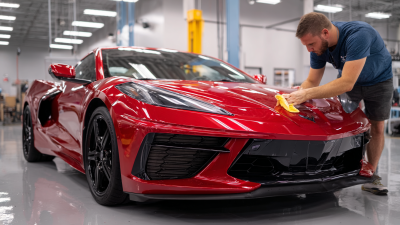
 Proper installation and maintenance of paint protection film (PPF) are essential for ensuring its longevity and effectiveness. First and foremost, select a quality film from a reputable manufacturer, as this can significantly influence durability. When applying the film, it’s crucial to clean the surface of your vehicle thoroughly to eliminate any dirt or contaminants, as these can lead to imperfections under the film. Using a professional installer or following exact guidelines for DIY application, such as precise heat settings and pressure techniques, will help achieve a seamless and bubble-free finish that adheres well to the vehicle's surface.
Maintenance after installation is equally important. Regular washing with gentle car wash solutions helps maintain the film's clarity and appearance. Avoid harsh chemicals and -abrasive tools that can damage the PPF. Additionally, parking in shaded areas or using car covers can protect your vehicle from UV exposure, which can degrade the film over time. If the film becomes damaged, addressing chips and scratches promptly can prevent further issues. By following these installation and maintenance tips, you can ensure that your paint protection film remains effective and keeps your vehicle looking pristine for years to come.