2026 How to Choose the Right Reflective Tint for Your Windows?
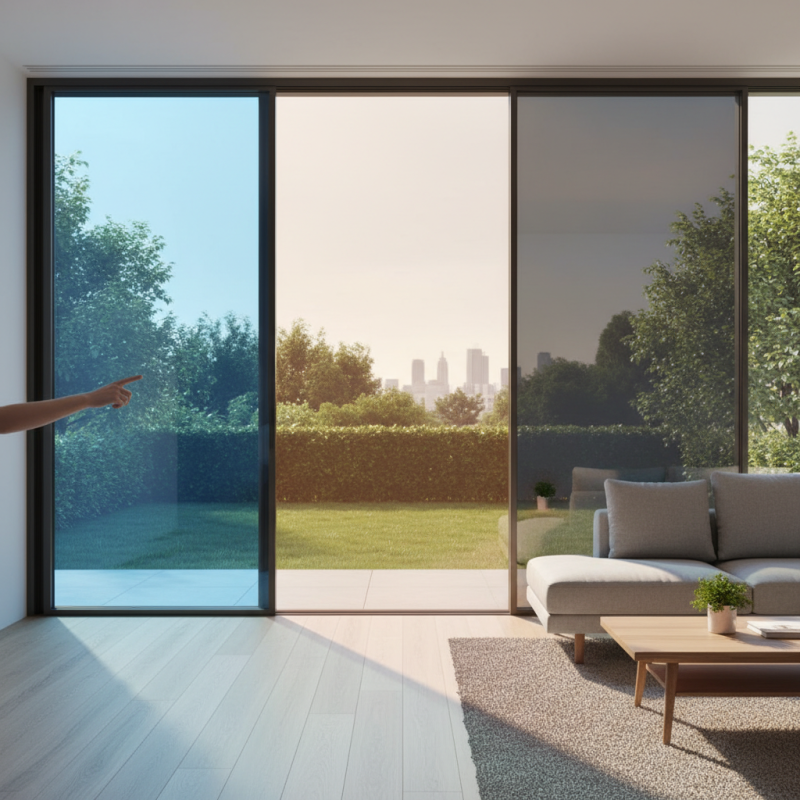
Choosing the right reflective tint for your windows can significantly enhance your living space. Reflective tint not only improves privacy but also reduces heat and glare from sunlight. However, understanding the various options available can be overwhelming for homeowners.
Many factors must be considered when selecting the ideal reflective tint. The color, shade, and level of reflectivity can all impact the final result. Some tints may limit visibility from the outside, while others allow for natural light to flow in. It's crucial to assess the specific needs of your space to make an informed decision.
Additionally, reflective tint can come with trade-offs. While it offers benefits like energy saving and aesthetics, it may not suit every situation. Evaluating the pros and cons of each type is essential before committing to a choice. Ultimately, finding the perfect reflective tint requires careful consideration and a willingness to experiment.
Understanding Reflective Tints: Types and Benefits
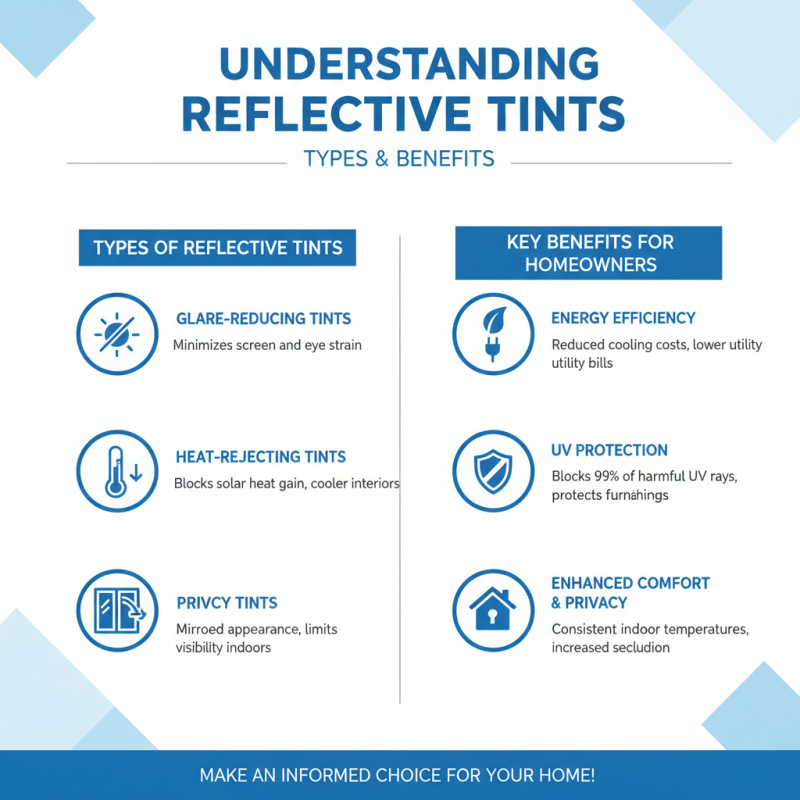
Reflective tints are a popular choice for homeowners seeking energy efficiency and privacy. These tinted films come in various types, each offering distinct benefits. For example, some tints are designed to reduce glare, while others focus on heat rejection. Understanding these differences is crucial for making an informed choice.
Choosing the right tint depends on your specific needs. If UV protection is a priority, look for a film that blocks a high percentage of harmful rays. If aesthetics are important, consider options that match your home’s color scheme. It's essential to evaluate the light transmission levels as well.
Tips for selecting the right reflective tint include assessing the direction your windows face and considering the climate of your area. For instance, southern-facing windows can greatly benefit from strong heat-reducing tints. Additionally, take your time to research different options. Quality varies among films. Ensure the film is installed correctly to avoid bubbles or peeling later on. Look for reputable installers that can provide examples of their work. This careful selection process will help ensure long-lasting results you can enjoy for years.
Factors to Consider When Choosing Reflective Window Tints
When choosing reflective window tints, several factors must be taken into account. The level of reflectivity is crucial. High reflectivity can enhance privacy and reduce glare. However, it may also lead to a darker indoor environment, which some homeowners might find unwelcoming. According to a study by the International Window Film Association, around 72% of users reported improved comfort with moderate reflectivity compared to high levels.
UV protection is another essential consideration. Reflective tints can block up to 99% of harmful UV rays. This reduction significantly aids in protecting furniture and flooring from fading. Recent reports indicate that homes with proper UV protection can experience up to a 30% reduction in furniture replacement costs. However, it’s important to evaluate how much sunlight and heat one genuinely wants to block out. Too much tint can make a space feel dull and lifeless.
Lastly, local climate plays a role in the type of reflective tint that is most effective. In hotter regions, reflective tints can drastically reduce cooling costs. However, their effectiveness may be compromised in colder climates, as they can also block beneficial sunlight. Balancing these elements while considering personal preferences is key. The journey to selecting the right tint can reveal unexpected insights about one’s living space.
How to Assess Your Needs for Sunlight and Privacy Control
Understanding your needs for sunlight and privacy control is essential when choosing the right reflective tint for your windows. Data from the Window Film Association suggests that nearly 70% of homeowners underestimate the impact of sunlight exposure in their living spaces. This can lead to excessive heat buildup and discomfort. Reflective tints are an effective solution, reducing glare and regulating indoor temperatures by up to 80%.
Consider your daily activities. If you work from home, opt for a tint that minimizes distractions from sunlight. On the other hand, if privacy is your primary concern, select a tint that ensures visibility from the outside is restricted. An industry report indicates that reflective films can block over 99% of harmful UV rays, significantly enhancing your indoor environment. However, users often report that darker tints can make indoor spaces feel smaller. Testing various options in your actual environment would be beneficial.
Each home is unique. Some residents may feel suffocated by heavily tinted windows. Others appreciate the increased privacy and reduced glare. Keep in mind that personal preferences play a big role in these choices. What works for one household might not suit another. Hence, assessing your specific needs beforehand is crucial for achieving the desired balance of light, comfort, and privacy.
2026 Reflective Tint for Windows: Sunlight and Privacy Control Assessment
This chart illustrates the importance of various factors when choosing reflective tints for windows, focusing on privacy control, heat reduction, glare reduction, and UV protection. Each factor is rated on a scale from 1 to 10 based on its significance for users assessing their needs.
Evaluating the Aesthetic Impact of Reflective Window Tints
When selecting reflective window tints, aesthetics play a crucial role. A well-chosen tint can enhance building appearance, increasing its value. Data from the "Window Film Association" indicates that 70% of property owners prioritize visual appeal in their renovations. Reflective tints can achieve various looks, from sleek and modern to soft and classic.
However, not all tints provide the same visual impact. Some may appear too mirrored and detract from the building's character. Factors like color, reflectivity, and fit with existing architecture must be assessed carefully. According to a recent report by "Statisca," buildings with professional window tints see up to a 20% increase in aesthetic value.
It’s important to balance beauty and practicality. Reflections can sometimes be overwhelming. Neighbors may find a highly reflective surface intrusive. Consequently, selecting a tint requires thoughtful consideration of both personal preference and environmental context. This decision should reflect the unique character of the space while respecting surrounding aesthetics. Ultimately, the right tint enhances a building while considering the needs of the community.
2026 How to Choose the Right Reflective Tint for Your Windows? - Evaluating the Aesthetic Impact of Reflective Window Tints
| Tint Type |
Visible Light Transmission (%) |
Reflection Level (%) |
Aesthetic Appeal Rating (1-5) |
UV Protection (%) |
| Dark Reflective |
10 |
60 |
4 |
99 |
| Light Reflective |
30 |
40 |
3 |
95 |
| Bronze Reflective |
20 |
50 |
5 |
97 |
| Blue Reflective |
15 |
55 |
4 |
98 |
| Silver Reflective |
25 |
45 |
4.5 |
96 |
Installation Options: DIY vs Professional Help
When considering window tint installation, the choice between DIY and hiring a professional requires careful thought. DIY projects can be rewarding, offering a sense of accomplishment. However, without experience, results can be inconsistent. Uneven application may lead to bubbles or peeling edges. Choosing the right tools is essential. You will need a squeegee, a cutting tool, and a clean workspace. Adequate preparation of the glass surface is crucial. Neglecting this step could diminish the tint’s effectiveness.
On the other hand, hiring professionals ensures a high-quality finish. They have the expertise to handle various types of glass and films. Professionals often use advanced techniques and equipment. This can lead to better longevity and performance of the tint. However, professional installation comes with a higher cost. It’s essential to weigh the potential benefits against your budget. You may want to obtain multiple quotes. This can help you understand the market rate and ensure you're getting value for your money.
Ultimately, the decision rests on your confidence level and budget. Reflect on your skills and the time you can dedicate. If you're unsure, seeking professional help might be the wiser option.