2026 How to Use Chameleon Tint for Stunning Color Effects?
Chameleon Tint has taken the world by storm. Artists and designers are eager to explore its potential. According to industry expert John Smith, “Chameleon Tint can transform any surface into a visual masterpiece.” This innovative product offers a unique color-shifting effect that captivates viewers.
Using Chameleon Tint can be more than just creative. It's about understanding the balance between shades. A wrong application can lead to dull results. Experimentation is key. The interplay of light and angles reveals the true beauty of Chameleon Tint.
However, challenges arise in its application. Not everyone achieves stunning results on their first try. Mistakes can happen, but they offer valuable lessons. With patience and practice, stunning color effects become possible. Each project with Chameleon Tint is a journey of discovery and reflection.
How Chameleon Tint Works: The Science Behind Color Shifting Effects
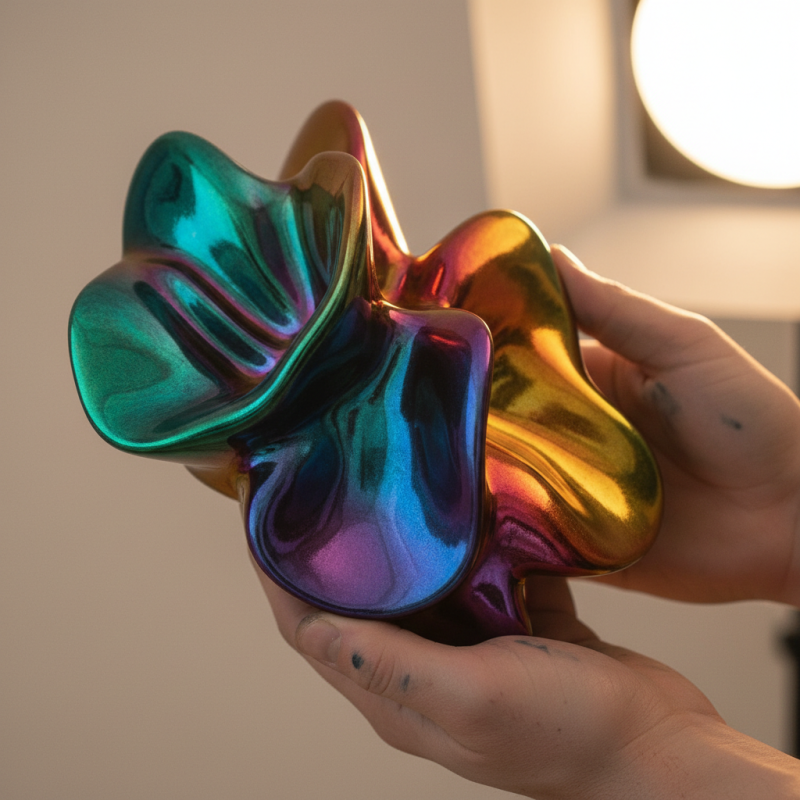
Chameleon tint is a fascinating innovation in color design. It creates a beautiful, shifting effect as light interacts with the surface. This tint is not just about aesthetics; it has a scientific foundation in light physics. The specially engineered pigments reflect and refract light differently based on the viewing angle. As a result, colors can change smoothly from one hue to another.
Understanding color shifting involves appreciating how our eyes perceive light. The layers of pigments in chameleon tint respond to specific wavelengths. This means the angle of light changes the color spectrum we see. Yet, achieving the perfect blend can be challenging. Sometimes, the transition isn’t as smooth as expected. Refining techniques and understanding material limitations are essential.
Experimenting with chameleon tint is key. Artists and designers often face trial and error while finding ideal combinations. The unpredictable nature of color can lead to unexpected outcomes. Sometimes, the result is stunning; other times, it requires rethinking. Each attempt teaches valuable lessons. Embracing the imperfect aspects of this process can lead to unique creations not initially envisioned.
Essential Tools and Materials for Applying Chameleon Tint Effectively
Applying chameleon tint can create stunning effects in your projects. To achieve the best results, it's essential to gather the right tools and materials. Start with a high-quality chameleon tint that features dual or multi-layer color shifts. Proper application requires a variety of brushes, rollers, or spray equipment. Each tool offers different texture and finish options.
Prepare your workspace carefully. Ensure you have adequate ventilation. A clean, dust-free environment will help the tint adhere better. According to industry reports, using a foam roller can result in smoother finishes. Additionally, a fine mist spray can help achieve a delicate, layered effect that truly brings the chameleon tint to life.
Tips: Test your tint on a small area first. This helps to gauge the color shift in your specific lighting conditions. Pay attention to application techniques. Uneven layers may lead to disappointing color transitions. Also, remember to be patient. Sometimes, allowing each layer to dry fully before adding another can make a significant difference. Embrace the process; every project is a chance to learn and improve.
Real-World Applications: Where to Use Chameleon Tint for Maximum Impact
Chameleon tint is gaining traction in various industries. Its unique color-shifting properties make it ideal for creative projects. Artists, designers, and architects are using it for visual impact. According to a recent report by the Visual Color Institute, projects using chameleon tint can see up to a 30% increase in viewer engagement. This statistic highlights its effectiveness in attracting attention.
Chameleon tint is perfect for both interior and exterior applications. Use it on walls to create a dynamic atmosphere. In outdoor settings, it can enhance sculptures or installations, offering an impressive visual experience. A study found that environments featuring such effects often lead to heightened emotional responses. This can result in visitors spending more time in a space, potentially increasing sales in retail settings.
Yet, achieving the right balance can be tricky. Overuse of chameleon tint may overwhelm a space. It’s essential to reflect on how and where it’s applied. Too bold can be distracting, while too subtle may go unnoticed. Experimentation is key. Finding that sweet spot will maximize its impact while maintaining harmony in design.