Top 10 Innovative Applications of Paint Film in Modern Design?
In modern design, the role of Paint Film has evolved significantly. This innovative material is now used across various industries, demonstrating versatility and creativity. According to a recent report by Market Research Future, the global Paint Film market is projected to grow at a CAGR of 8% from 2023 to 2030. This growth highlights the increasing demand for modern design solutions.
Expert in the field, Dr. Emily Johnson, notes, “Paint Film is reshaping how we think about surface finishes.” Her insight emphasizes the impact of this technology in enhancing aesthetics while providing functional benefits. Designers are pushing boundaries, using Paint Film to create stunning features in architecture, automotive, and interior design.
However, challenges remain. Not all applications achieve optimal results. Designers must consider factors like adhesion and durability. As the industry continues to innovate, it's crucial to reflect on these imperfections. Tackling these issues will help unlock the full potential of Paint Film in future design projects.
Innovative Uses of Paint Film in Architectural Design
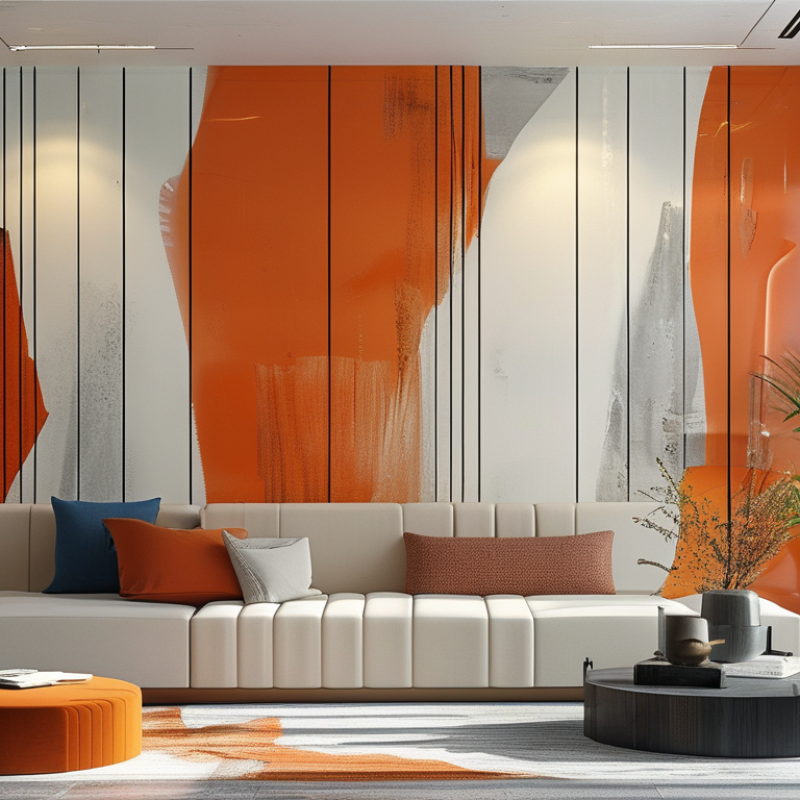
In recent years, paint film has become an exciting medium in architectural design. This versatile material allows for creative freedom and unique expressions. Architects are discovering innovative applications that transform ordinary spaces. One fascinating use is in interior wall designs. Paint film can create stunning gradients and patterns, bringing walls to life. This approach not only enhances aesthetics but also influences the mood of a room.
Additionally, the incorporation of paint film in outdoor spaces has opened new possibilities. It can be used on surfaces like facades and walkways, adding vibrant colors and textures. Some projects experiment with different finishes, like matte or glossy, to create striking visual effects. However, the longevity of paint film under varying weather conditions demands careful consideration. Designers must balance creativity with practicality in these projects.
Another intriguing aspect is the integration of paint film in signage and wayfinding systems. These applications can blend into their architectural context, guiding visitors while maintaining visual harmony. Although the options appear limitless, challenges remain in achieving durability and sustainability. Architects often wrestle with ensuring their innovative ideas withstand time and elements. Embracing imperfections can lead to new insights and design advancements in this ever-evolving field.
Top 10 Innovative Applications of Paint Film in Modern Design
This chart illustrates the frequency of various innovative applications of paint film in architectural design. As seen, interior wall design ranks highest in application frequency, followed by exterior facade and furniture finishing. Other applications like art installations and sustainable design, while less frequent, showcase the versatility and creativity in modern design using paint film.
Transforming Interiors: The Role of Paint Film in Modern Spaces
In modern spaces, paint film has transformed interiors in innovative ways. This material offers endless design possibilities. It can create textures, patterns, and colors that are unique and vibrant. Paint film brings art into everyday environments. Designers can experiment with bold colors and subtle finishes to reflect personality and mood.
The versatility of paint film allows for creative problem-solving. For instance, when dealing with small areas, a bold paint film design can create the illusion of more space. Transforming a room with large-scale murals can be eye-catching yet overwhelming. Careful consideration is needed to balance visual impact with harmony. These elements can either enhance or disrupt the overall feel of an interior.
However, using paint film isn’t without its challenges. Long-term durability is a concern for many designers. Some finishes may fade or peel over time. It requires regular maintenance to keep walls looking fresh. A thorough understanding of the environment and user behavior is essential for lasting designs. This thoughtful approach ensures that the application of paint film remains as beautiful as it is functional.
Creative Surface Treatments: Paint Film in Furniture Design
The integration of paint film in furniture design has transformed aesthetics and functionality. A report by Smithers Pira indicates that the global decorative surface materials market, including paint films, is anticipated to reach $248 billion by 2025. This growth emphasizes the rising demand for innovative, customizable surfaces.
Paint film offers endless possibilities for creative surface treatments. Designers can easily apply vibrant colors or textures to unexpected materials, challenging traditional concepts. It allows for quick changes in style, offering flexibility in furniture design. For example, a table can shift from sleek and modern to rustic in a single application. However, this versatility requires a careful balance of durability and appearance, which can be tricky.
While paint film provides significant design opportunities, potential limitations exist. Issues like adhesion and lifespan can affect its long-term appeal. Some finishes may scratch easily or fade over time, prompting designers to continually evaluate material performance. This reflective process is essential in advancing the use of paint film, ensuring that it meets both aesthetic desires and practical needs in modern design.
Sustainable Design Solutions: Eco-Friendly Paint Film Applications
In the realm of sustainable design, paint film has emerged as a versatile and eco-friendly solution. This material can be applied to various surfaces, allowing for innovative design without compromising environmental integrity. Paint film is often made from recyclable materials,
reducing waste and supporting the circular economy. Designers appreciate its flexibility, as it can seamlessly adhere to any surface, creating unique visual aesthetics.
One fascinating application is in public art installations, where paint film can transform urban spaces. Many artists choose this medium for its vibrant colors and ease of application. Projects using paint film not only beautify surroundings but also raise awareness about sustainability. Yet, concerns about durability persist. Some applications wear prematurely, prompting reflection on long-term viability.
Another intriguing area is interior design. Homeowners are increasingly considering paint film for walls or furniture. It offers an easy way to refresh living spaces. However, certain types may release VOCs over time. This presents a dilemma: how to balance immediate aesthetic pleasure with long-term health impacts? The challenge lies in finding the right products that meet eco-friendly standards without compromising quality.
Enhancing Visual Communication: Paint Film in Branding and Signage
Paint film is rapidly transforming the landscape of branding and signage. Its versatility allows designers to create striking visuals that captivate audiences. Unlike traditional materials, paint film can easily adapt to various surfaces, enhancing the visual impact of logos and messages. This adaptability is crucial in environments where first impressions matter.
A well-executed paint film application can elevate a brand’s identity. It can convey complex ideas through simple visuals, making them more accessible. Color choice plays a vital role. Bright colors attract attention, while muted tones evoke a sense of sophistication. However, the challenge lies in balancing creativity and legibility. An overly intricate design may confuse viewers rather than inform them.
Real-world applications often reveal flaws. Some installations may not withstand environmental elements, leading to fading and wear. Designers must continuously evaluate the longevity of their materials. Regular assessments can ensure that the visuals remain effective over time. In this evolving field, staying innovative while addressing these concerns is essential for impactful branding.