What is Nano Ceramic Tint and Why Is It Popular?
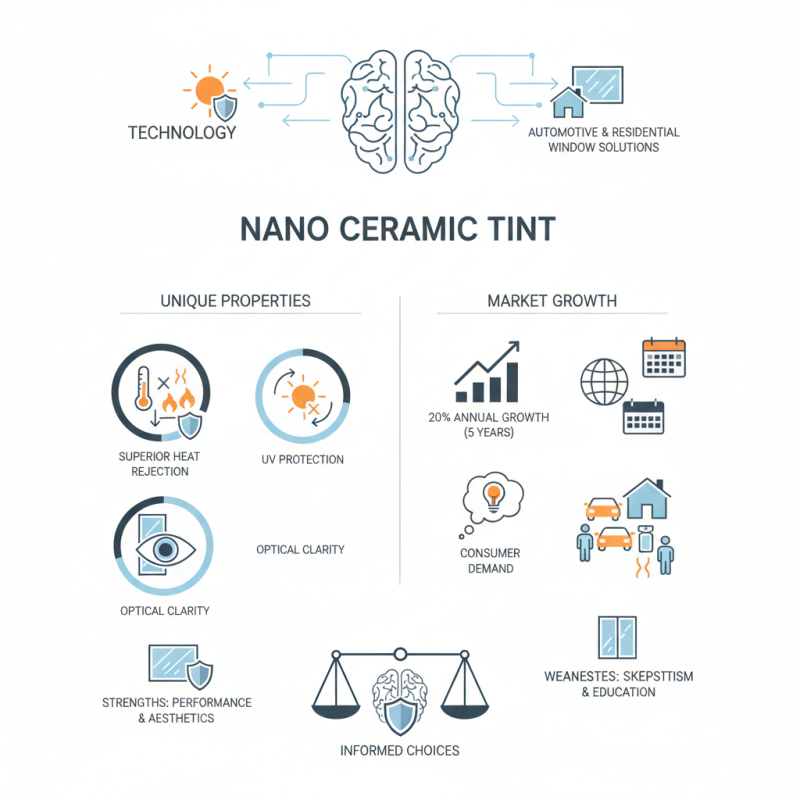
The rising popularity of Nano Ceramic Tint can be attributed to its unique properties. This advanced tint offers superior heat rejection and UV protection without compromising visibility. According to a recent report by Frost & Sullivan, the ceramic window film market is projected to grow by 20% annually over the next five years. This surge reflects consumer demand for better automotive and residential window solutions.
Industry expert Dr. Emily Chan notes, “Nano Ceramic Tint revolutionizes window films by merging technology with everyday needs.” Her insights highlight how this technology not only enhances comfort but also protects against harmful sun exposure. Many consumers appreciate the clarity it provides, even while blocking intense sunlight.
However, the market faces challenges. Some customers remain skeptical about the benefits of Nano Ceramic Tint compared to traditional films. Education and awareness are crucial to overcoming these doubts. As the industry evolves, embracing both its strengths and weaknesses will be vital for success. This balance can lead to more informed choices, ensuring that both performance and aesthetics are maximized in window film applications.
What is Nano Ceramic Tint and Its Composition?
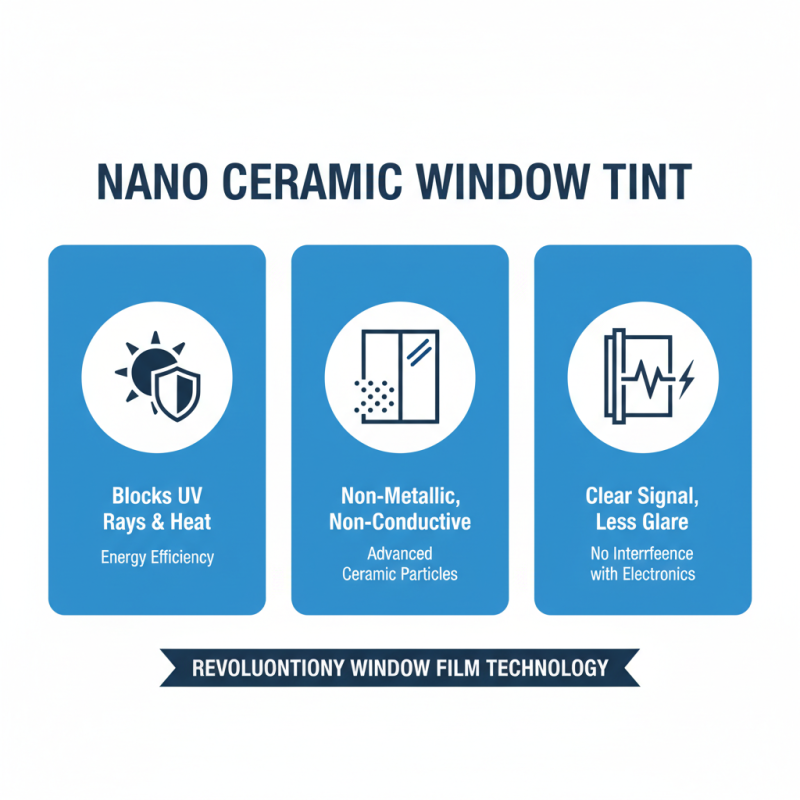
Nano ceramic tint is a revolutionary window film that has gained significant attention. Its unique composition sets it apart from traditional window tints. This tint contains ceramic particles that are non-metallic and non-conductive. These tiny particles allow light to pass through while blocking harmful UV rays and heat. This feature makes nano ceramic tint effective for energy efficiency.
The production process is intricate. Manufacturers blend ceramic materials with polymers to create a durable and flexible film. This film can withstand extreme temperatures without fading. It is also scratch-resistant and easy to maintain. Unlike other tints, it does not interfere with electronic signals. Therefore, people love it for their vehicles and homes.
However, the benefits come with a price. The installation process requires trained professionals. DIY attempts can lead to visible bubbles or peelings. Some might find the cost daunting, but many see value in the long-term benefits. Reflecting on its popularity, the combination of advanced technology and performance attracts many consumers.
Key Benefits of Nano Ceramic Tint in Automotive Applications
Nano ceramic tint has gained popularity in automotive applications for various reasons. It offers superior heat rejection properties, keeping the car interior cooler. This tint uses nanotechnology to layer ceramic particles, which improves its durability compared to traditional films. The result is a clear, non-metallic window film that doesn't interfere with electronic devices.
One of the key benefits of nano ceramic tint is its UV protection. It blocks up to 99% of harmful UV rays, safeguarding both passengers and the vehicle's interior. This contributes to a longer lifespan for upholstery and reduces skin cancer risks. Another advantage is its visibility. Unlike darker tints, nano ceramic allows more visible light while still providing significant heat reduction.
Tip: When applying nano ceramic tint, ensure your vehicle's windows are clean and dry. A proper application can prevent bubbling and peeling. Also, consider professional installation to achieve the best results. Not all DIY attempts yield perfect outcomes.
Choosing the right nano ceramic tint can be overwhelming. Look for options that offer balanced heat and UV protection. It's wise to research different products and consult with experts in the field for tailored advice. The choice may seem simple, but it can impact your driving experience significantly.
Comparison of Nano Ceramic Tint with Traditional Window Films
Nano ceramic tint is gaining traction for its unique properties.
It uses advanced technology that incorporates ceramic particles.
These tiny particles enhance heat rejection and UV protection significantly.
Unlike traditional window films, nano ceramic tint does not use metal or dyes.
This absence of metals helps avoid interference with electronic signals.
For many, this is a vital benefit, especially for those who rely on GPS and mobile connectivity.
Traditional window films come with limitations.
They can block visible light and create a darker ambiance.
Some customers report issues with color fading as well.
In contrast, nano ceramic tints maintain optical clarity over time.
They often provide better visibility during rainy days.
However, the installation process can be more complex.
It requires skilled technicians to achieve optimal results.
It's crucial to research and find experienced installers.
This will help avoid potential misapplications or uneven finishes.
Cost can also be a concern.
Nano ceramic options tend to be pricier than traditional films.
This expense might make some hesitant to switch.
However, the long-term benefits often outweigh the initial costs.
The durability and efficiency of nano ceramic tints make them a smart investment for many vehicle owners.
Balancing the pros and cons can help in making an informed decision.
Market Trends and Growth of Nano Ceramic Tint Demand
Nano ceramic tint has gained significant popularity due to its advanced features. It provides superior heat rejection, UV protection, and enhanced clarity. The demand for this product is on the rise, propelled by consumer awareness of vehicle protection and comfort under harsh sunlight. Many people seek effective solutions to keep their interiors cool and protect their skin.
Market trends indicate a growing interest in innovative window films. More drivers are investing in ceramic tints for their vehicles. This trend reflects a shift towards high-performance products that ensure safety and aesthetics. As urban living increases, the need for energy-efficient and protective window solutions becomes even more apparent.
Tips: When choosing nano ceramic tint, consider the percentage of tint darkness. This affects visibility and legal compliance. Always check local regulations to avoid unwanted issues. Additionally, opt for professional installation to ensure optimal performance and longevity. Small mistakes during application can lead to peeling or bubbling, diminishing visual appeal.
What is Nano Ceramic Tint and Why Is It Popular? - Market Trends and Growth of Nano Ceramic Tint Demand
| Aspect |
Details |
| Material Composition |
Nano-sized ceramic particles suspended in a polymer matrix |
| UV Protection |
Blocks over 99% of harmful UV rays |
| Heat Rejection |
Provides up to 80% heat rejection for improved comfort |
| Market Growth Rate |
Expected CAGR of 12% over the next five years |
| Popularity Factors |
Durability, aesthetic appeal, and energy efficiency |
| Target Audience |
Vehicle owners, homeowners, and commercial businesses |
| Global Market Size |
Estimated at $1 billion in 2023 |
Consumer Preferences and Feedback on Nano Ceramic Tint Products
Nano ceramic tint has gained significant popularity among consumers in recent years. This innovative product offers excellent heat rejection and UV protection. Many users appreciate its durability and the sleek look it provides.
However, some consumers have noted that installation can be tricky. It may require professional help, increasing overall costs.
Feedback on nano ceramic tint products is generally positive. Users often comment on how much cooler their cars feel during hot days. They also value the reduced glare while driving. Yet, there are remarks about the initial price. Some feel it’s too high compared to traditional tints. People also share mixed experiences regarding visibility. Some find it enhances their view, while others struggle with the darker shades.
Consumer preferences often vary widely. A few enjoy the unique colors available, while many stick to classic shades. Certain reviews highlight the long-lasting nature of nano ceramic tint. However, some users wish for a wider range of options. It’s clear that while many love the benefits, others seek improvements in both aesthetics and affordability.