What is Photochromic Film and How Does It Work?
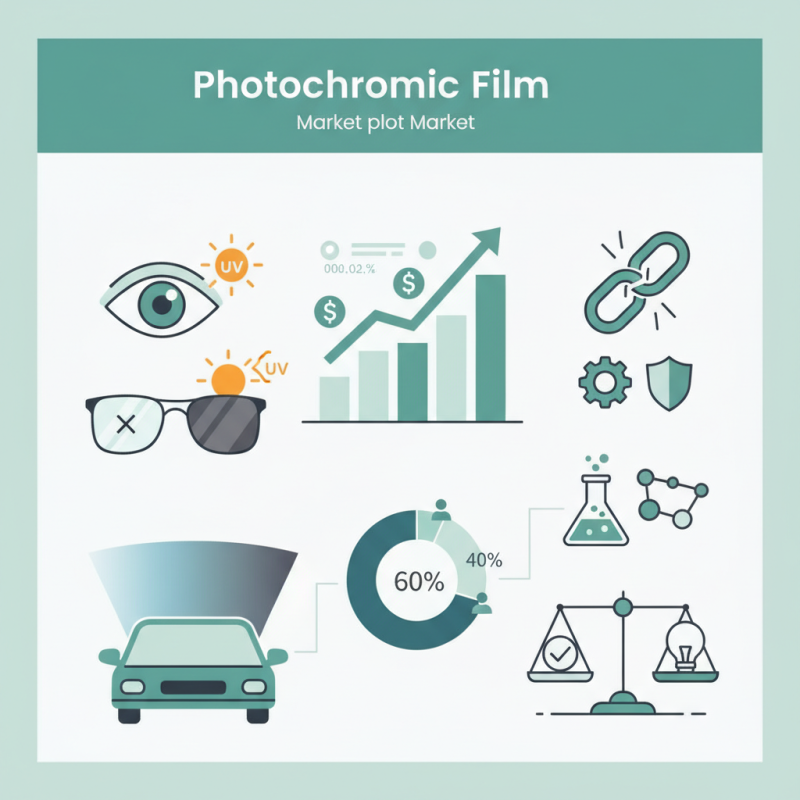
Photochromic Film is revolutionizing how we interact with light. This advanced technology adjusts its tint according to UV exposure. The global market for photochromic films is projected to reach $3 billion by 2028, growing due to rising demand in eyewear and automotive sectors.
These films offer convenience and protection from harmful rays. Yet, challenges remain in durability and performance under varying conditions. Recent studies indicate that only 60% of users notice substantial benefits with photochromic lenses, leaving room for improvement.
As consumer awareness increases, the industry must address these shortcomings. Innovating new materials could enhance the effectiveness of Photochromic Film. Balancing functionality and user satisfaction will be key for future growth. The journey is ongoing, requiring both reflection and perseverance from manufacturers.
What is Photochromic Film?
Photochromic film is a fascinating material that reacts to light. When exposed to ultraviolet (UV) rays, the film undergoes a chemical change, causing it to darken. This transformation can be useful in various applications, particularly in eyewear and window coatings. The innovation lies in its ability to adjust based on environmental light levels.
In everyday use, photochromic film provides comfort and protection. Imagine stepping outside on a sunny day. Your eyewear quickly adapts, shielding your eyes from brightness. However, this technology isn’t flawless. Sometimes, the transition speed can be slow. When moving between indoor and outdoor settings, a delay may occur. This can lead to discomfort, especially during abrupt changes in lighting.
Another consideration is durability. Photochromic films can degrade over time with excessive wear. They may even lose effectiveness after prolonged exposure to harsh conditions. Regular maintenance can mitigate these issues, but it requires attention that some users may overlook. As photochromic technology evolves, so do the challenges and reflections needed to optimize its performance.
What is Photochromic Film and How Does It Work?
| Property |
Description |
| Definition |
Photochromic film is a type of material that changes color in response to UV light exposure. |
| Usage |
Commonly used in eyeglasses, windows, and coatings for various surfaces. |
| Mechanism |
The film contains special molecules that react to UV light, causing a reversible chemical reaction that alters its color. |
| Benefits |
Provides comfort by reducing glare and offers UV protection for the eyes. |
| Limitations |
May take time to return to clear state indoors and effectiveness can vary based on temperature and UV exposure. |
| Types |
Includes single-layer films and multi-layer films for enhanced performance. |
The Science Behind Photochromic Technology
Photochromic technology is intriguing. It enables materials to change color in response to light. More precisely, these films darken in ultraviolet (UV) light, providing protection and enhancing visibility. According to industry reports, the demand for photochromic products is expected to grow at a compound annual growth rate (CAGR) of 7.2% from 2020 to 2025. This underscores the rising interest in adaptive materials across various sectors.
The science behind photochromic film lies in its unique molecular structure. When exposed to UV light, specific molecules rearrange themselves. This reaction causes the film to change from a clear state to a darker one. These films typically utilize compounds like naphthopyran or spirooxazine to achieve this effect. However, there are limitations. Some films may not fully return to their original state when removed from UV light. This unreliability can be frustrating for users.
Studies reveal that the efficacy of photochromic films can vary significantly. Environmental factors such as temperature play a vital role in their responsiveness. For example, films may react slower in colder conditions. Users often overlook this aspect, leading to disappointing experiences. As the industry matures, it's crucial to address these imperfections. Enhanced formulations may improve performance, but challenges remain.
How Photochromic Film Changes Color
Photochromic film is a unique material that changes color in response to UV light. When exposed to sunlight, it darkens significantly. This transformation is due to special molecules in the film that react to ultraviolet rays. These molecules absorb energy, causing them to change shape. The result? A stylish pair of sunglasses that adjusts to the brightness outside.
In low light conditions, the film returns to its original color. This process is reversible and helps users avoid glare. Imagine walking outside on a bright day, your glasses transition from clear to tinted. In the evening, they fade back to transparency. However, this transition can vary. Some films might not react quickly enough. Others may not change as expected in certain light conditions.
While photochromic films offer convenience, they aren't perfect. Some wearers report delays in changing colors. Others may not appreciate the film's reaction to temperature, as it can influence performance. The technology continues to evolve, and understanding these nuances is essential for users seeking the best experience.
Photochromic Film Color Change Analysis
This bar chart illustrates the color intensity of photochromic films under different exposure conditions: before exposure to UV light, during UV exposure, and after UV light is removed. The values are measured in arbitrary units to represent the change in color intensity effectively.
Applications of Photochromic Film in Everyday Life
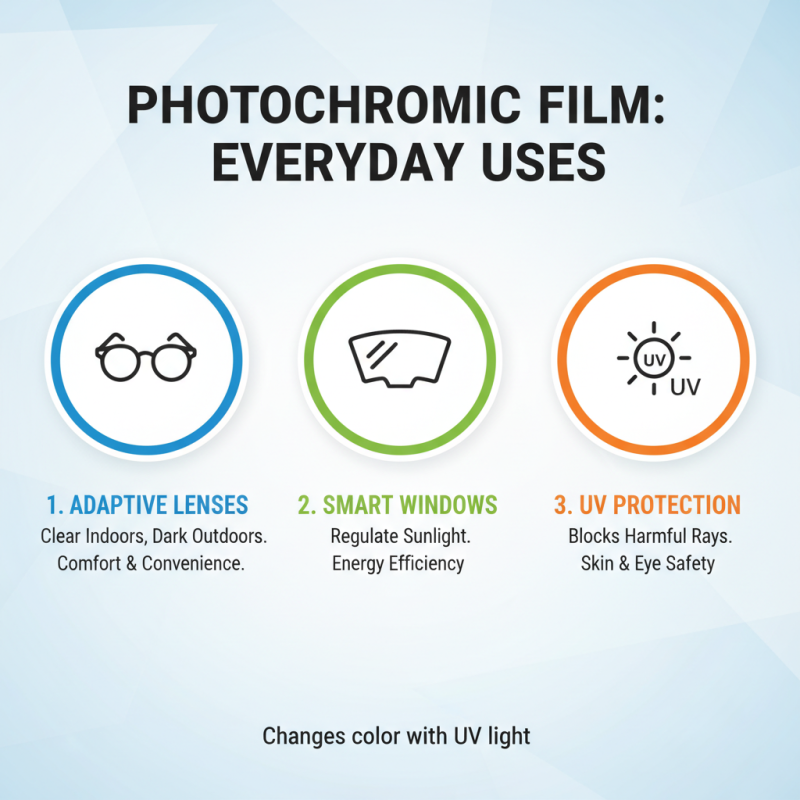
Photochromic film is a fascinating technology that changes its color when exposed to ultraviolet (UV) light. It offers various applications in daily life. For instance, photochromic lenses in glasses darken outdoors but remain clear inside. This feature provides convenience and comfort for users. People appreciate not having to switch between their prescription glasses and sunglasses.
Additionally, photochromic film finds its place in windows and car windshields. It can help reduce glare and heat from the sun. However, not all films offer the same level of protection. Some may not darken enough, leading to discomfort. Moreover, the responsiveness of the film can vary with temperature and intensity of sunlight. It may take time for the film to adjust, which can be frustrating.
In home decor, photochromic films can be used on curtains or wall art. They add an interactive element to interior spaces. As light shifts throughout the day, colors can change dramatically. People enjoy this dynamic feature, although it may not appeal to everyone's taste. Some may prefer consistent colors without surprises. This discrepancy highlights the need for careful selection based on individual preferences.
Future Innovations and Developments in Photochromic Film
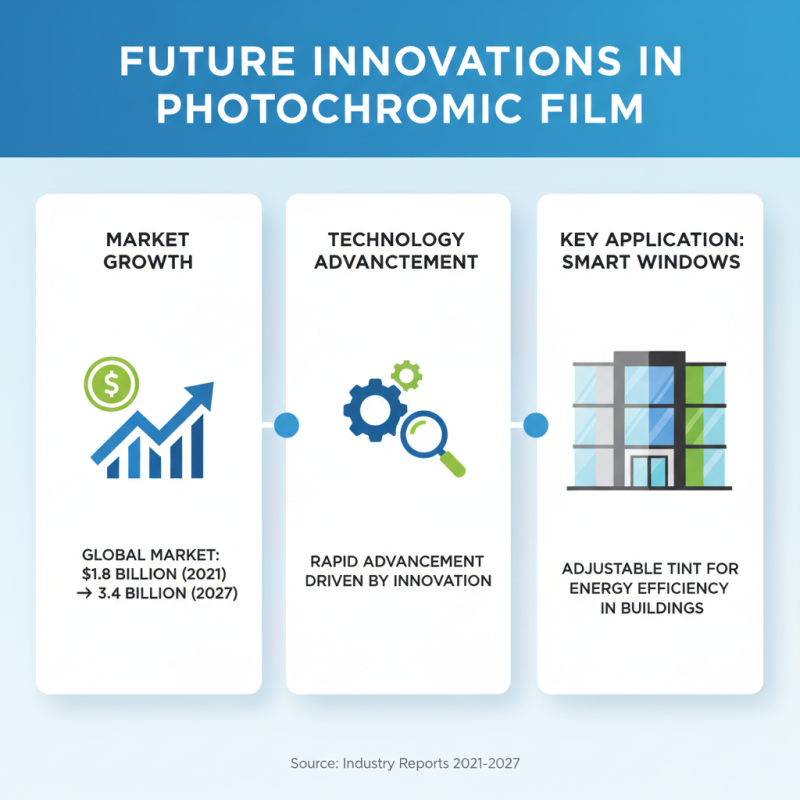
Photochromic film technology is advancing rapidly. The global market for photochromic materials is projected to grow from $1.8 billion in 2021 to $3.4 billion by 2027. This growth indicates increased interest in innovative applications. For example, researchers are exploring its use in smart windows. These windows can adjust their tint based on light conditions, enhancing energy efficiency for buildings.
Innovations are happening in the development of new materials. Nano-engineered particles are being tested to improve the responsiveness of photochromic films. Reports suggest that these advancements could lead to films that change color more quickly and retain their properties longer. However, these materials often face challenges like durability and cost-effectiveness.
Additionally, user demand is shifting. People want products that combine functionality with aesthetics. This opens up opportunities for photochromic films in fashion and home décor. Yet, manufacturers must balance performance and user preferences. It's a complex challenge that requires ongoing research and development.