Ppf Headlight Tint Tips for Better Visibility and Style?
Upgrading the appearance of your vehicle often involves choosing stylish enhancements. One such option is Ppf Headlight Tint. This tint can improve aesthetics while changing light visibility. It is essential to consider the balance between style and function.
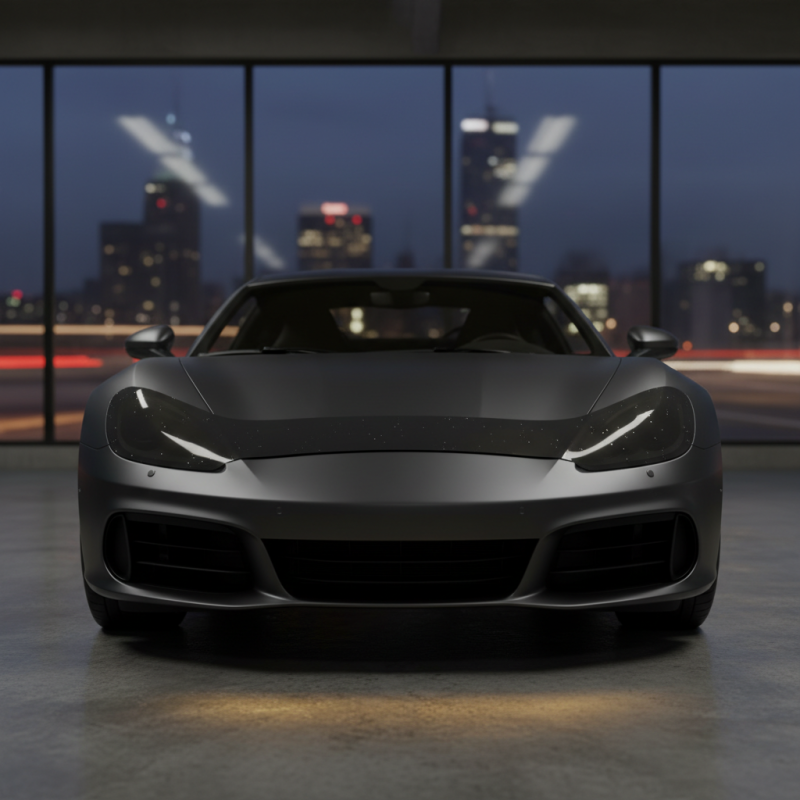
Ppf Headlight Tint offers a unique look, giving your headlights a sleek finish. However, the tint may affect brightness. If you choose too dark a shade, visibility drops significantly at night. This trade-off is crucial to reflect on.
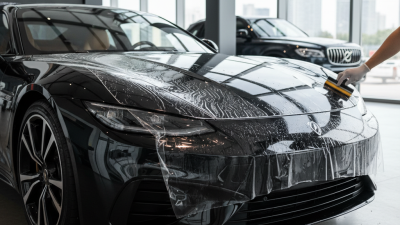
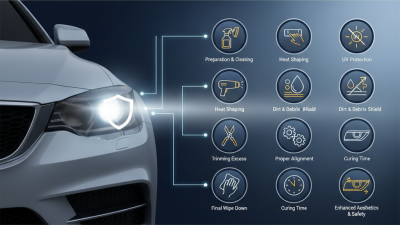
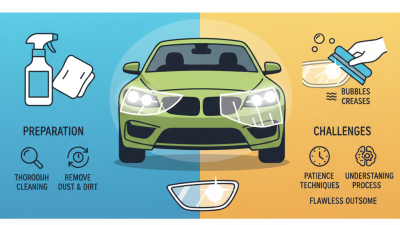
Moreover, applying Ppf Headlight Tint requires precision and care. Improper installation may lead to air bubbles or peeling edges. Patience during the process will yield better results. Always test the tint in different conditions. Ensure that you feel safe while driving. The right shade can enhance your car’s character without sacrificing safety.
Understanding PPF Headlight Tint: Benefits and Considerations
PPF headlight tinting has gained popularity among car enthusiasts. It enhances the vehicle's aesthetics while providing some functional benefits. According to the Automotive Research Institute, nearly 70% of drivers are interested in alternative methods to improve headlight performance and looks. Tinted headlights can create a sleek, modern appearance. However, visibility might be affected under certain conditions.
Understanding PPF headlight tint involves weighing benefits and risks. On one hand, tinting can protect headlights from UV rays and potential scratches. A recent study indicated that untreated headlights can lose up to 80% of their brightness over time due to wear and yellowing. On the other hand, applying a darker tint can significantly reduce light output, especially in poorly lit areas. Drivers should consider their environment and driving habits when choosing a tint level.
A balance must be struck between style and safety. Some tints can enhance the look without sacrificing visibility. Yet, it’s crucial to choose wisely. An overly dark tint can lead to dangerous driving conditions. Documentation from the National Highway Traffic Safety Administration emphasizes that optimal visibility is essential for nighttime driving. Prospective users must reflect on their choices.
Choosing the Right Tint Shade for Optimal Visibility and Style
Choosing the right tint shade for headlight coverings is essential for visibility and style. Many drivers seek aesthetic appeal but overlook safety. A recent study showed that over 30% of accidents occurred due to reduced visibility at night or in poor weather. A well-chosen tint can enhance both style and practical performance.
Light shades, such as clear or pale yellow, often provide better illumination. They allow maximum light transmission while adding a subtle flair. Darker tint shades can reduce light output significantly. In one report, 50% of drivers with darker tints experienced lower visibility in the rain. It’s crucial to balance style with safety, assessing how your chosen tint affects your driving experience.
Selecting a unique tint might feel empowering. However, it’s worth considering its tangible impacts. For instance, while a deep blue tint may look stunning, it could hinder your ability to see clearly at night. Recognizing these trade-offs can lead to more informed choices. Visibility should always take precedence over visual appeal. Make thoughtful decisions to ensure a safe driving experience.
Maintenance Tips for Long-Lasting PPF Headlight Tint Performance
Maintaining PPF (Paint Protection Film) headlight tint is crucial for ensuring long-lasting performance and optimal visibility. Proper care can enhance both style and safety. Research indicates that tinted headlights can improve light transmission while reducing glare, enhancing nighttime driving. However, neglect can lead to discoloration or peeling.
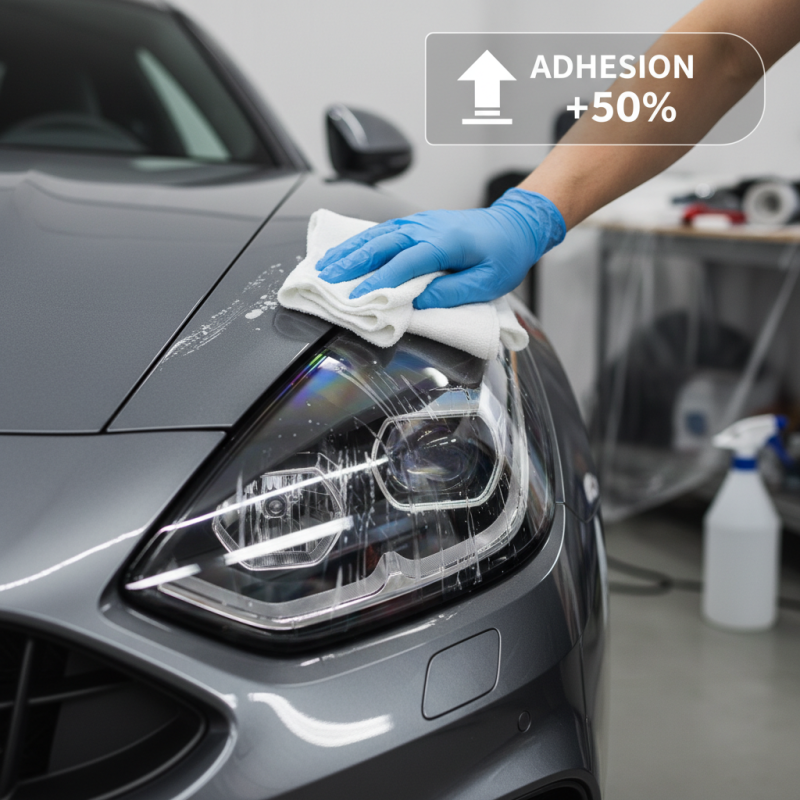
Regular cleaning is essential. Use a diluted mild soap solution and a soft cloth to wipe the surface. Avoid harsh chemicals; they can damage the tint. Rinse thoroughly to remove any soap residue. Consider cleaning every few weeks.
Tip: Inspect your headlights regularly for signs of wear or damage. Look for bubbles or lifting edges. Address these early to prevent bigger issues. Apply a UV protectant occasionally to shield against sun damage. Applying a ceramic coat could also help maintain clarity.
Don’t forget to park in shaded areas when possible. Direct sunlight can warp the tint over time. While tints give a stylish look, they need your attention. A little care goes a long way.
Ppf Headlight Tint Tips for Better Visibility and Style
| Tip |
Description |
Expected Outcome |
Frequency |
| Clean your headlights |
Regularly clean the headlights with a gentle cleaner to remove dirt and grime. |
Improved visibility and longevity of tint. |
Monthly |
| Apply UV Protectant |
Use a UV protectant to shield the tint from sun damage. |
Prevention of fading and cracking. |
Every 3 months |
| Check for bubbles |
Inspect for any bubbles or peeling in the tint. |
Maintaining an even, professional appearance. |
Weekly |
| Avoid harsh chemicals |
Steer clear of abrasive cleaners that can damage the tint. |
Preservation of tint integrity. |
Always |
| Consider professional installation |
For best results, have a professional apply the tint. |
Optimal performance and appearance. |
During installation |
Legal Regulations and Safety Tips for Headlight Tints
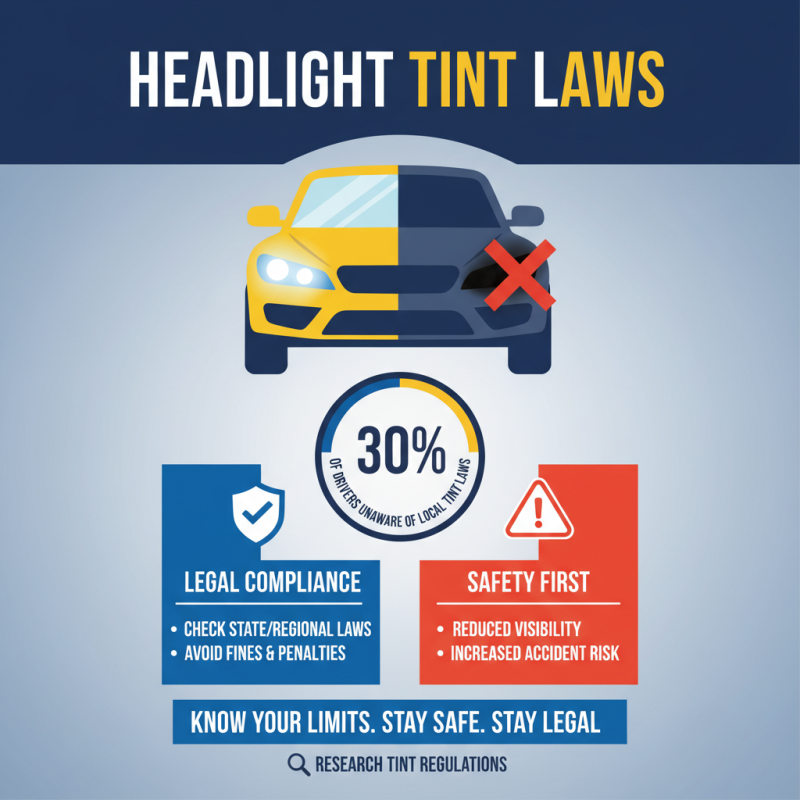
When considering headlight tints, legal regulations should be top-of-mind. Many regions have specific laws about the darkness of your tint. For instance, studies show that over 30% of drivers are unaware of local tint regulations. This ignorance can lead to fines or, worse, safety hazards. Ensure to check state laws before applying any tints.
Visibility is crucial. A study from the National Highway Traffic Safety Administration (NHTSA) indicates that poor visibility contributes to nearly 30% of accidents. Tinted headlights can exacerbate this issue if not carefully chosen. Dark tints can reduce light output, making it difficult for other drivers to see your vehicle, especially at night or during inclement weather.
**Tips for choosing headlight tints:** Always opt for tints that balance style and visibility. Look for products that maintain a high light transmittance rate. Some states require a minimum of 70% light transmission for legal use. Regularly check your tints for any signs of wear or damage that may affect clarity. Be reflective; if your lights seem dim, consider replacing the tints or reverting to clear headlights for safety.