Top 10 Tint Film Tips for Perfecting Your Car Window Appearance
When it comes to enhancing the aesthetic appeal and functionality of your vehicle, one of the most effective methods is applying a high-quality tint film to your car windows. Tint film not only elevates the overall look of your car but also offers a myriad of benefits, such as increased privacy, reduced heat, and protection against harmful UV rays. However, achieving that flawless tint job requires more than just picking the right shade; it involves understanding the nuances of tint film application and maintenance.
In this guide, we will explore the top 10 tips for perfecting your car window appearance with tint film. Whether you're a DIY enthusiast or looking to hire a professional, these insights will help you navigate the intricacies of the tinting process. From selecting the right material to ensuring proper installation techniques, each aspect is crucial in attaining that sleek, polished finish. Join us as we delve into practical advice that will help you achieve a stunningly tinted car that stands out on the road.
Understanding the Benefits of Window Tinting for Vehicles
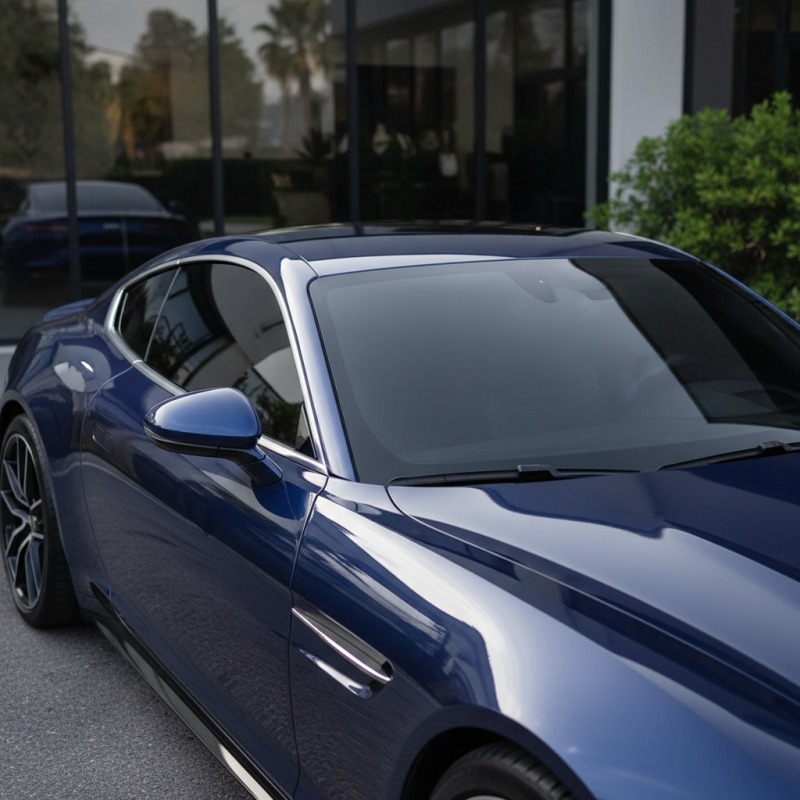
Window tinting is not just about aesthetics; it offers a range of benefits that enhance your vehicle's performance and comfort. One of the primary advantages is UV protection. Tinted windows can block up to 99% of harmful ultraviolet rays, which helps protect your skin and prevents the interior of your car from fading. This feature is particularly beneficial for those who spend long hours driving in sunny conditions, as it significantly reduces the risk of sun-related skin issues and preserves the vehicle’s resale value.
Another key benefit of window tinting is temperature control. Professionally installed tint films can reduce heat build-up inside your car, making it more comfortable during hot weather. This not only enhances the driving experience but can also lead to lower air conditioning usage, ultimately improving fuel efficiency. Furthermore, this thermal barrier can prevent glare from sunlight, improving visibility and making driving safer.
When selecting the right tint for your vehicle, consider these tips: first, choose a tint that meets your local regulations while providing the privacy and protection you need. Next, ensure you prepare your car windows properly before application, as clean surfaces lead to better adhesion. Finally, allow sufficient curing time post-installation to guarantee that the tint adheres correctly and lasts long, providing you with all its benefits for years to come.
Top 10 Tint Film Tips for Perfecting Your Car Window Appearance
Choosing the Right Type of Window Film: Privacy, UV Protection, and More
When it comes to enhancing your car's aesthetics and functionality, selecting the right type of window tint film is crucial. One of the primary considerations is privacy. Depending on your lifestyle and preferences, choosing a film with a higher level of darkness can create a more secluded environment inside your vehicle. Tints with strong privacy features can also protect your valuables from prying eyes, making them an excellent choice for daily commuters or those who frequently leave items in their cars.
In addition to privacy, UV protection is another vital factor to contemplate. Not only does quality window film reduce harmful ultraviolet rays that can contribute to skin damage and fading of your car's upholstery, but it also helps keep your vehicle cooler in hot weather. Films that offer UV protection can significantly lower the inside temperature, enhancing comfort during summer months. When selecting your window film, ensure that it meets your needs for both privacy and UV defense, striking the perfect balance between style and practicality.
The Importance of Professional Installation for Longevity and Quality
When it comes to window tinting for cars, the importance of professional installation cannot be overstated. A study by the International Window Film Association reveals that professionally installed window films can last up to 10 years longer than DIY solutions. This longevity is primarily due to the expertise and quality assurance that professionals provide, ensuring a perfect fit and that no bubbles or imperfections occur during installation. Professional installers have access to higher-quality materials and tools, which can significantly enhance the appearance of your car's windows while providing maximum protection against UV rays and heat.
One of the key tips for achieving an impeccable window tint is to research and choose experienced professionals in your area. Look for certifications and reviews that attest to the quality of their work. Additionally, it's advisable to schedule your installation during favorable weather conditions, as extreme temperatures can affect the adhesion of the film and lead to premature failure. Remember, the value of investing in professional installation not only lies in aesthetics but also in the long-term benefits for your car's interior and overall comfort.
Another tip involves understanding the different types of films available and discussing your preferences with the professional installer. For instance, some films are designed for heat rejection while others focus on glare reduction or privacy. A knowledgeable installer can guide you in selecting the right film that aligns with your needs and local regulations. This decision plays a crucial role in maximizing both the functionality and lifespan of the tint, ensuring that your investment pays off in the long run.
Legal Tint Limits: Complying with State Regulations for Window Tinting
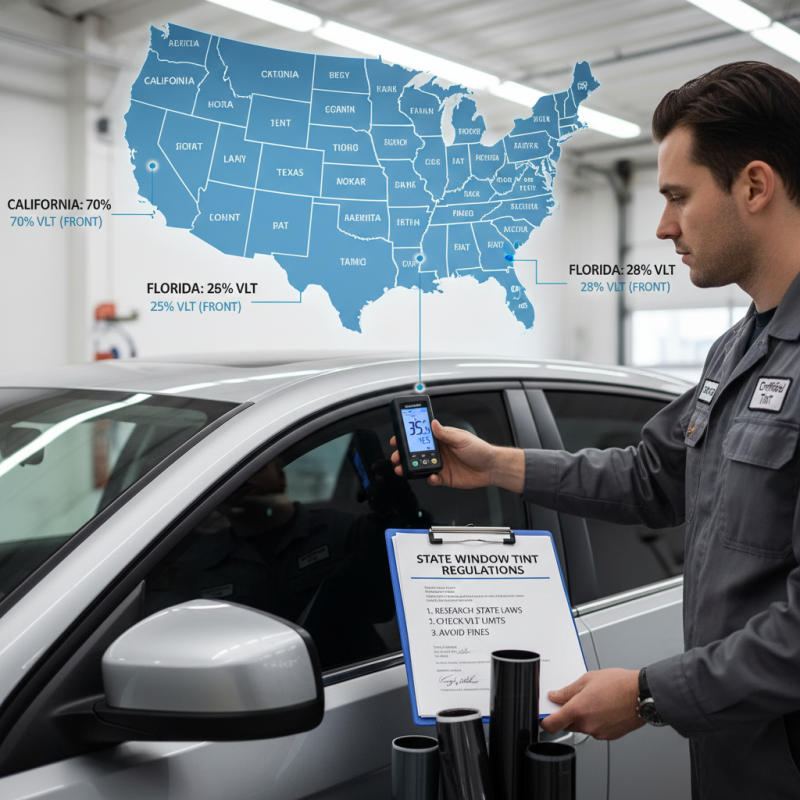
When considering window tinting for your vehicle, it is crucial to be aware of state regulations that dictate legal tint limits. Each state has established its own rules pertaining to how dark or reflective your window tints can be. Typically, these laws specify the maximum allowable Visible Light Transmission (VLT) percentage, which determines how much light must pass through the tinted glass. Before applying any tint film, it is essential to research and understand your state’s specific regulations to avoid potential fines or the need for costly removal.
In addition to VLT limits, some states also impose restrictions on other aspects of window tinting, such as the use of reflective materials and tinting on specific windows. For instance, front windshields often have narrower limits compared to side and rear windows. Being informed about these requirements not only helps maintain legal compliance but also ensures that your vehicle’s appearance and functionality are preserved. Always consult with a professional technician who is familiar with local laws and can guide you in selecting the right tinting options that enhance your car’s aesthetic while adhering to legal standards.
Maintenance Tips for Keeping Your Window Tint in Optimal Condition
To keep your window tint in optimal condition, regular maintenance is essential. Begin by cleaning your tinted windows using a soft, non-abrasive cloth and a mild, ammonia-free cleaner. This prevents scratching and helps maintain the film’s clarity while avoiding any degradation. It’s important to avoid using harsh chemicals or abrasive materials, as these can damage the tint and affect its appearance over time.
Additionally, avoid rolling down your windows for at least a few days after installation to allow the film to properly adhere. This ensures that there are no bubbles or imperfections. If you encounter any bubbles or creases later, use a heat source like a hairdryer on a low setting to carefully smooth them out. Keeping your car's windows shielded from intense sunlight whenever possible also prolongs the lifespan of the tint, as excessive UV exposure can cause fading or peeling. Regular inspections will help you catch any signs of wear early, allowing for timely repairs and preservation of your vehicle’s sleek look.