Essential Tips for Choosing Paint Protection Film for Your Car?
Choosing the right Paint Protection Film (PPF) for your vehicle is a crucial decision. Studies show that PPF can reduce the risk of paint damage by up to 90%. With advancements in technology, options have expanded. Yet, many consumers find the choices overwhelming. Note that every car owner has unique needs and preferences.
Industry expert John Smith mentions, "Selecting the right Paint Protection Film is not just about cost. It's about longevity and effectiveness." A suitable PPF can maintain your car’s appearance for years. However, not all films are created equal. Some may yellow or peel, diminishing their protective qualities. Understanding the differences between various films can save you from future regrets.
Consider factors like the brand, warranty, and thickness when choosing your PPF. Standard films can be budget-friendly but might wear out quickly. Premium films offer superior protection but come at a higher price. Think about your vehicle type and driving conditions. Balancing quality and cost is essential in this investment.
Understanding the Importance of Paint Protection Film for Your Car
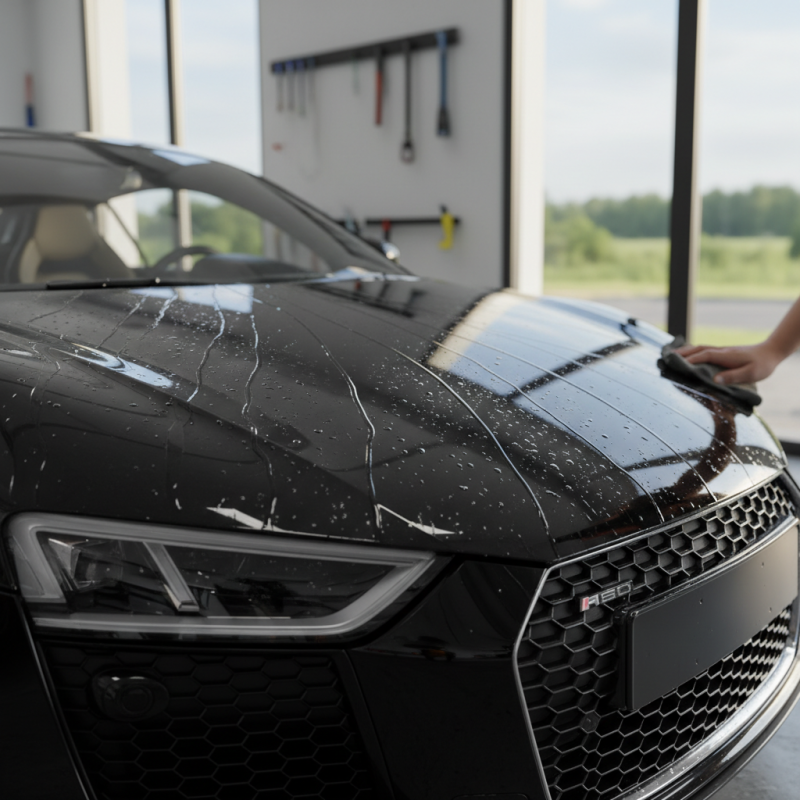
Paint protection film (PPF) is essential for maintaining your car's aesthetic appeal. A study showed that vehicles with PPF retain their resale value better. The film acts as a barrier, protecting your paint from chips, scratches, and harsh weather. UV rays can also affect your car's color. PPF helps in preventing fading caused by prolonged exposure.
When choosing PPF, consider factors like thickness and clarity. Thicker films often provide better protection but may affect the appearance. Consider choosing films that offer self-healing properties. These can mend minor scratches and keep your car looking fresh.
Applying PPF can be challenging and may require professional help. It's crucial to ensure correct installation to avoid bubbles or peeling. Regular maintenance, such as washing the film carefully, can extend its lifespan. Remember, not all films are created equal. Some may not adhere well in different climates. Take your time to assess your options and seek expert advice when necessary.
Types of Paint Protection Films and Their Features
When choosing paint protection film (PPF) for your vehicle, understanding the different types available is crucial. There are generally two categories: self-healing and non-self-healing films. Self-healing films utilize advanced technology that allows minor scratches and swirls to disappear over time. According to a recent industry report, these films can restore their clarity and sheen within 15 minutes under heat. This feature significantly enhances the longevity of your car’s appearance.
Non-self-healing films, on the other hand, are typically more affordable but lack the self-repairing capability. They provide solid protection against rock chips and environmental damage. However, they may show signs of wear and tear faster, which could necessitate frequent replacements. A study found that around 70% of consumers do not realize there are different longevity options, often opting for the cheaper, less durable choice.
Another aspect to consider is thickness. Films vary from 6 to 15 mils in thickness. Thicker films generally offer better protection but may alter the car's appearance. Additionally, the installation process is critical. Improper installation can lead to bubbling or peeling, undermining the film's effectiveness. This can be an overlooked issue, as not all installers are equally skilled. Taking the time to choose wisely will ultimately pays off.
Essential Tips for Choosing Paint Protection Film for Your Car
Key Factors to Consider When Choosing Paint Protection Film
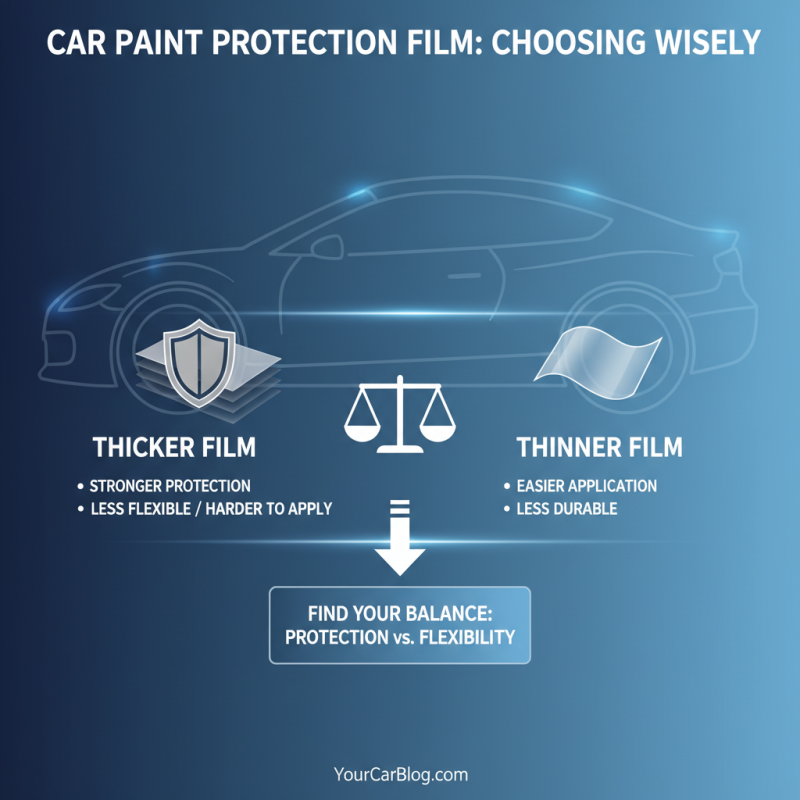
When selecting paint protection film for your car, there are important factors to consider. The thickness of the film matters. Thicker films may offer stronger protection but can be less flexible. On the other hand, thinner films can be easier to apply but might not endure harsh conditions. It’s essential to find a balance that suits your needs.
Consider the clarity of the film. High-quality films should remain clear and maintain your car's original look. Look for options that resist yellowing over time. Some films might not perform well under UV rays, leading to discoloration. Read reviews to understand users' experiences with clarity and durability.
Finally, pay attention to the warranty. A longer warranty might indicate higher quality. However, many users often overlook this aspect and regret it later. Ensure the warranty covers issues like peeling or cracking. This could save you from unexpected costs in the long run. Each choice you make affects the overall appearance and protection of your vehicle. Choose wisely and learn from past experiences.
Installation Options: DIY vs. Professional Services
When considering
paint protection film
for your car, the installation method is crucial. You have two main options:
DIY or professional services. Each choice has its own advantages and drawbacks.
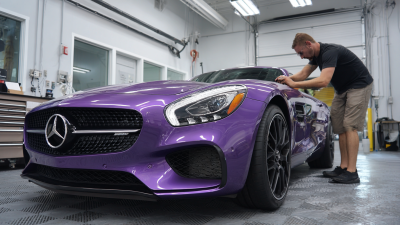
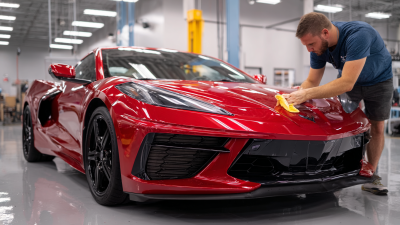
For DIY enthusiasts, applying the film yourself can be rewarding. You save money and have the flexibility to work at your own pace. Gather the necessary tools. This includes a squeegee and heat gun.
Take your time with the application to avoid bubbles. However, achieving a flawless finish can be challenging. Mistakes can lead to visible imperfections. If you're unsure about your skills, it may be worth reconsidering.
On the other hand, professional installation offers a high level of expertise. Professionals have the experience and tools needed for a seamless application. They can navigate tricky curves and edges efficiently.
Yet, this service comes with a higher cost. If budget constraints are a concern, carefully weigh your options. Do your research and seek recommendations to find reliable services in your area.
In any case, whether you choose DIY or professional help, remember to assess the film quality. Not all products are the same. A good film will enhance your car’s appearance and provide lasting protection.
Visit a local shop or consult with experts. They can offer valuable insights tailored to your needs.
Maintenance Tips for Longevity of Paint Protection Film
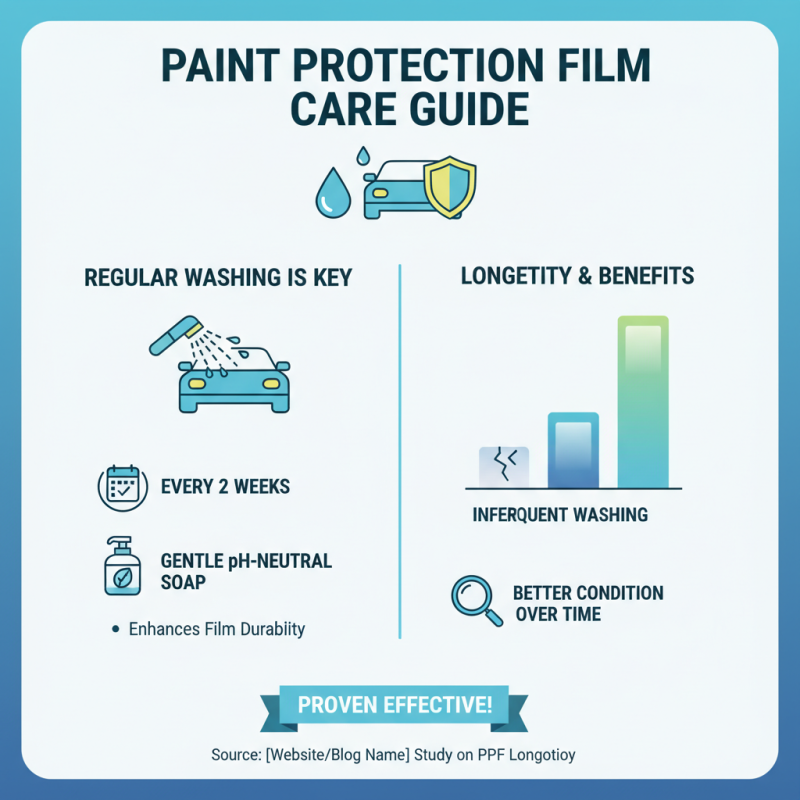
Maintaining paint protection film is crucial for its longevity. Regular washing is essential. It is recommended to wash your car every two weeks with a gentle pH-neutral soap. A study found that cars washed frequently remain in better condition over time, enhancing the durability of the film.
Additionally, avoid using abrasive materials when cleaning. Soft microfiber cloths are ideal. Protecting the film from harsh elements can extend its lifespan. For example, intense UV exposure can degrade the film over time. This degradation may lead to discoloration and peeling. Parking in shaded areas can mitigate this effect.
Small issues can arise, such as scratches or air bubbles. Early detection is critical. Addressing these problems soon can prevent more significant damage. A report indicated that untreated minor imperfections could lead to costly repairs, reducing the film's effectiveness. Regular inspection helps maintain the film's integrity. Remember, neglecting maintenance is a common mistake many car owners make. A little attention goes a long way.