Top 10 Car Window Tint Options for Ultimate UV Protection?
Car window tint has become an essential upgrade for vehicle owners seeking UV protection. According to the Skin Cancer Foundation, tinted windows can block up to 99% of harmful UV rays. This statistic highlights the importance of car window tint in reducing the risk of skin damage and other health issues associated with sun exposure.
Beyond health benefits, car window tint also enhances comfort and preserves interior materials. A report by the International Window Film Association indicates that window film can reduce heat inside vehicles by up to 60%. This means a cooler driving experience and less reliance on air conditioning. However, not all tints provide the same level of protection or aesthetic appeal.
Choosing the right car window tint can be overwhelming. With many options available, it's crucial to consider factors like UV protection, heat rejection, and visual clarity. Some products perform better than others, and a poorly chosen film can lead to glare issues or peeling over time. Understanding these nuances will lead to more informed decisions, ultimately delivering the best protection and comfort for your vehicle.
Top 10 Car Window Tint Options for Ultimate UV Protection
When it comes to protecting your car’s interior from harmful UV rays, choosing the right window tint is crucial. UV radiation can fade upholstery and damage your skin. Car window tint options vary significantly in quality, UV protection levels, and aesthetics. Investing in proper window tint can enhance your driving experience and provide long-term benefits.
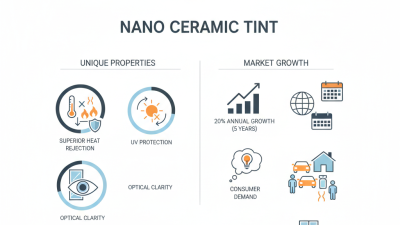
Consider different tint materials available. Ceramic tints offer excellent UV protection, heat rejection, and longevity. They do not interfere with signal transmission, making them a popular choice. Additionally, dyed tints provide a stylish look while being more affordable. However, their UV protection may be limited, which could be a drawback. It's essential to analyze these options based on your needs and preferences.
Always consult with professionals when choosing window tint. They can provide insights on local regulations and optimum products. Be aware that improper installation can lead to bubbling or peeling. Research customer reviews and find reliable installers to ensure satisfaction. Making an informed choice will lead to better protection and aesthetics for your vehicle.
Understanding the Importance of UV Protection for Car Windows
The importance of UV protection for car windows cannot be overstated. UV rays can penetrate through glass and damage your skin. Prolonged exposure may lead to serious health issues, including skin cancer. Many people underestimate the risks associated with sun exposure while driving. It’s essential to be aware of these risks when you spend long hours in your vehicle.
Car windows protect us, but they are not foolproof. Standard automotive glass blocks some UV radiation, but not all. Therefore, investing in effective window tinting is wise. High-quality films can reduce UV exposure by up to 99%. This type of protection helps keep passengers safe while also preventing interior fading and damage.
When choosing a tint, consider factors like heat rejection and visibility. Each window tint has different properties. Some may look appealing but lack essential protective features. Always research the available options carefully. Utilize resources that offer unbiased information. Be cautious; not all products are created equal. Think about your specific needs and preferences before making a decision.
Key Features of High-Quality Window Tint Films
When choosing a high-quality window tint film, understanding its key features is crucial for achieving ultimate UV protection. The effectiveness of the tint often hinges on its UV blocking capabilities. Look for films that can block up to 99% of harmful UV rays. This feature not only protects your skin but also preserves your car’s interior from fading.
Durability is another significant aspect. High-quality films resist scratching and peeling. These films can withstand harsh weather conditions without losing their protective properties. A strong adhesive is essential for proper installation, ensuring the tint stays in place for years. Additionally, check for warranty options, as a reliable warranty speaks to the film's longevity and manufacturer's confidence in their product.
Another factor to consider is heat rejection. The best films can reduce interior temperatures significantly. This can enhance comfort during hot summer days and reduce reliance on air conditioning. Moreover, seek out films that provide shatter resistance. This additional safety feature can prevent glass shards from causing injury in an accident. Remember, not all films are created equal, and it’s important to choose wisely based on these key features for optimal performance and protection.
Comparative Analysis of Popular Window Tint Brands and Technologies
The choice of window tint can significantly affect UV protection in vehicles. A recent industry report indicates that effective window films can block up to 99% of harmful UV rays. This reduction is crucial for preventing skin damage and maintaining an ideal cabin temperature.
Different technologies are employed in window tinting. Dyed films are popular for their aesthetic appeal but offer limited UV protection. Ceramic films, on the other hand, have shown promising results. They not only block UV rays but also reduce heat without discoloration over time. Research suggests ceramic films can reflect up to 70% of solar energy.
It is essential to consider the credibility of product claims. Some manufacturers may exaggerate performance metrics. A thorough analysis of performance ratings can help. Industry standards, such as those from the International Window Film Association, provide valuable insights. Consumers may need to explore multiple options to find the best balance between efficiency and cost.
Industry Standards and Regulations for Automotive Window Tinting
When considering window tint for cars, it's crucial to understand industry standards and regulations. Every state has different laws regarding how dark or reflective window tint can be. Compliance with these laws ensures safety and legality. For example, front windshields often have a stricter percentage limit compared to rear windows. The varying standards reflect a balance between aesthetics and driver visibility.
Regulations often stem from safety concerns. Overly dark tint can impede visibility, especially at night. This can increase the likelihood of accidents. Additionally, states monitor reflected light levels to ensure drivers aren’t blinded by glare. The window tint materials used must also meet standards for UV protection. Not all films offer the same benefits, so it's essential to choose wisely.
Understanding the legal framework helps prevent costly mistakes and ensures optimal protection. Some tints can block up to 99% of UV rays. This not only protects passengers but also extends the vehicle's interior life. However, it’s critical to confirm that the chosen tint meets local regulations. A little research goes a long way in achieving the perfect balance between visual appeal and compliance.
Conclusion
This article explores the top 10 car window tint options that offer ultimate UV protection, emphasizing the importance of safeguarding both passengers and the vehicle's interior from harmful ultraviolet rays. It begins by outlining the significance of UV protection for car windows, as extended exposure can lead to skin damage and interior fading.
The piece further delves into the key features that characterize high-quality window tint films, including their durability, heat rejection capabilities, and overall performance. A comparative analysis of popular window tint brands and technologies provides insights into the best choices available on the market while ensuring compliance with industry standards and regulations governing automotive window tinting. Finally, the article discusses how an effective car window tint can enhance vehicle comfort by reducing interior temperatures, making it an essential consideration for vehicle owners seeking both protection and comfort.