2026 Top Trends in Tint Film for Global Buyers
As the demand for aesthetic and functional enhancements in vehicles and buildings increases, the relevance of Tint Film becomes undeniable. This versatile product provides privacy, heat rejection, and UV protection. Global buyers are eagerly seeking the latest innovations in this field.
In 2026, numerous trends will shape the future of Tint Film. Technological advancements are leading to films that are not only highly innovative but also eco-friendly. Additionally, customization options are expanding, allowing consumers to choose based on personal preference and specific needs. The market is witnessing a surge in demand for high-performance films that enhance safety and comfort.
However, some challenges persist. Quality disparities among manufacturers can lead to confusion. Buyers must exercise caution and conduct thorough research. Understanding the nuances of Tint Film will help consumers make informed decisions. This landscape is evolving, and staying updated with trends will be crucial for securing the best products.

Emerging Technologies in Tint Film Manufacturing for 2026
As the tint film industry evolves, 2026 is set to showcase remarkable advancements in manufacturing technologies. Research from industry reports indicates that smart films will dominate the market, with a projected growth rate of 15% per annum. These films adapt to environmental changes, enhancing energy efficiency in buildings and vehicles. The integration of nanotechnology is also on the rise, promising films that provide better thermal insulation and UV protection.
Emerging manufacturing processes will embrace automation and AI. Reports suggest that automated production lines can reduce operational costs by up to 30%. This shift not only improves efficiency but also enhances product quality. Additionally, sustainable practices, such as using eco-friendly materials, are becoming essential, driven by consumer demand for environmentally responsible products.
Tips: Always consider the long-term benefits of investing in smart technologies. While initial costs may be higher, energy savings can offset these expenses. Be cautious about relying solely on new technologies; traditional methods still have value in specific contexts. Evaluate your needs carefully to find the right balance.
Sustainable Materials in Tint Film Production and Their Impact
The shift towards sustainable materials in tint film production is significant. Manufacturers are increasingly using recycled plastics and bio-based materials. These innovations help reduce the environmental footprint of tint films. However, the performance of these materials often raises questions. Can they match the durability of traditional versions? The ongoing research indicates potential, but consistency remains a challenge.
Sustainable tint films can also create a unique aesthetic appeal. For instance, films made from natural fibers can produce different textures and colors. Yet, their availability and reliability in various climatic conditions are still under scrutiny. Buyers need to weigh the ecological benefits against these practical considerations. The market is evolving, but expectations must align with real-world performance. The balance between sustainability and functionality is a complex journey for manufacturers and consumers alike.
2026 Top Trends in Tint Film for Global Buyers
Color Trends in Tint Films: Preferences of Global Consumers
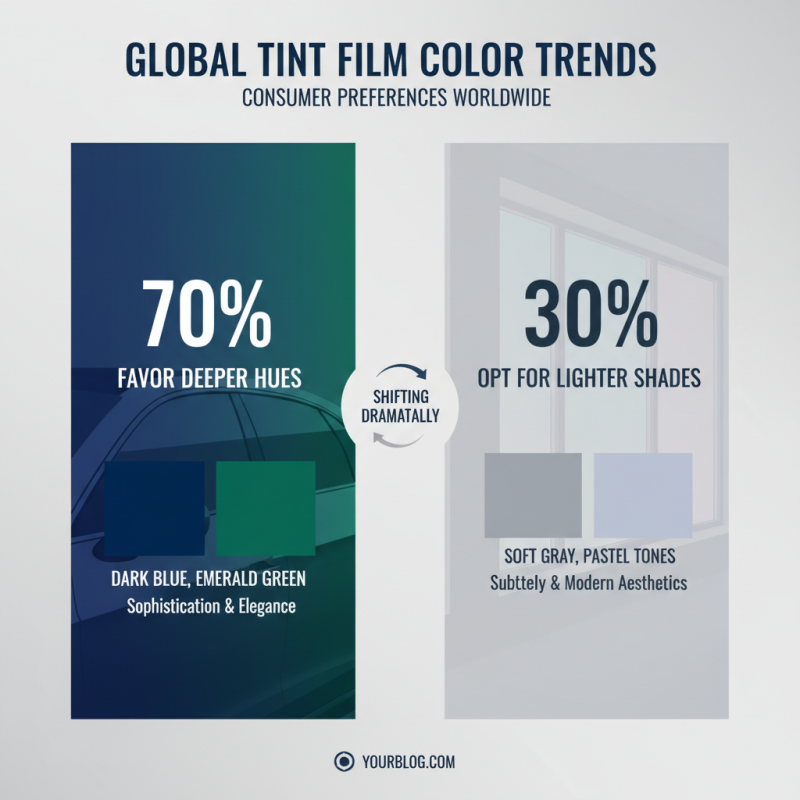
The color trends in tint films are shifting dramatically, shaped by consumer preferences worldwide. Reports indicate that around 70% of buyers favor deeper hues like dark blue and emerald green, as these colors evoke a sense of sophistication and elegance. In contrast, lighter shades such as soft gray and pastel tones have gained traction. They appeal to consumers looking for subtlety and modern aesthetics in their vehicles or spaces.
Another noteworthy trend is the growing interest in eco-friendly tint films. A significant 60% of global consumers are concerned about the environmental impact of their purchases. This awareness has driven demand for products made from sustainable materials. The market is seeing a rise in options that reduce heat and glare while being biodegradable. However, there is still hesitation around the durability of these eco-friendly choices, which prompts a need for further education and transparency in product performance.
Innovative technology also plays a role in shaping these trends. Smart films, which adjust tinting according to light exposure, are capturing attention. They represent a new wave in consumer desires for personalized experiences. Yet, many consumers are skeptical about the reliability and cost of such advanced solutions. It's clear that while preferences are evolving, significant gaps remain in understanding consumer needs for both aesthetics and functionality.
Market Shifts: Key Players and New Entrants in Tint Film Industry
The tint film industry is experiencing notable shifts in 2026. Various key players are emerging, alongside established brands reacting to market demands. According to recent market research, the global tint film market is projected to grow at a CAGR of 5.2% by 2026. This growth is driven by factors such as increased awareness of UV protection and energy efficiency in automotive and architectural applications.
New entrants are focusing on innovative technologies. They offer enhanced performance in heat rejection and glare reduction. Interestingly, the demand for customizable tint solutions is on the rise. Many buyers are now seeking products that align with their specific needs and preferences. This suggests a shift toward personalized experiences rather than one-size-fits-all solutions in the industry.
Tip: When choosing a tint film, consider its UV protection rating. The higher the rating, the better the protection from harmful rays. Additionally, evaluating customer reviews can guide your decision effectively.
Another trend is the increasing emphasis on sustainability. More manufacturers are adopting eco-friendly materials in their products. Buyers are becoming more conscious about their environmental impact. This leads to a demand for solutions that are both effective and sustainable.
Tip: Look for certifications that indicate eco-friendliness in tint films. This ensures that you are making a responsible choice.
Regulatory Changes Affecting Tint Film Use Across Different Regions
The global tint film market is evolving, influenced by regulatory changes. Different regions impose unique rules governing the use of tint films. Staying compliant is essential for both manufacturers and consumers.
In the United States, regulations vary from state to state. Some states have stringent laws regarding visible light transmission. Others are more lenient, allowing darker tints. Buyers should familiarize themselves with local laws to avoid penalties. Always check the specifics of your area.
In Europe, regulations are also diverse. Several countries require specific certifications for tint films. The emphasis is on safety and visibility. It is wise to prioritize products that meet these standards. Buyers should consider these compliance issues seriously. Obtaining reliable information is crucial.
Tips:
- Always verify the local regulations in your area before purchasing.
- Consult professionals for any uncertainties about tint film legality.
- Keep an eye on changing laws that could impact the use of tint films.