What is Tpu Film and its Applications in Various Industries?
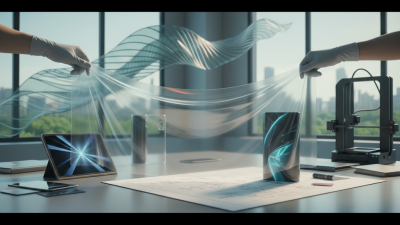
Tpu Film is a versatile material gaining traction across various industries. Its unique properties make it suitable for diverse applications. This film stands out for its flexibility, durability, and environmental sustainability. Manufacturers are increasingly utilizing Tpu Film in products ranging from footwear to automotive components.
In the footwear industry, Tpu Film enhances comfort and longevity. It resists wear and tear, making it ideal for high-performance shoes. In the automotive sector, this film provides protective covers and seals, ensuring parts withstand tough conditions. The application in electronics is remarkable; Tpu Film helps create waterproof and durable devices.
Despite its many benefits, there are challenges to consider. Not all Tpu Films are created equal. The performance can vary based on thickness, formulation, and processing methods. As industries evolve, understanding these variations is crucial. Adopting Tpu Film involves careful consideration of specific needs. Balancing performance and cost remains a significant task for manufacturers. The future holds great potential for Tpu Film, especially with growing demand for sustainable materials.
What is TPU Film?
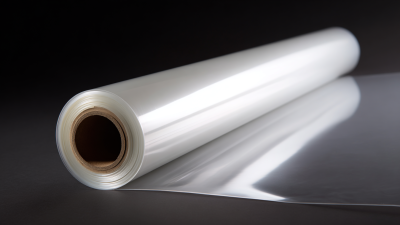
TPU film, or thermoplastic polyurethane film, is a versatile material known for its flexibility and durability. It combines the best properties of rubber and plastic, making it ideal for various applications. This film is lightweight yet strong, providing excellent resistance to abrasion and tearing. Many industries utilize TPU film due to its adaptability and performance characteristics.
One notable feature of TPU film is its elasticity. This allows for stretch and recovery, making it suitable for products like clothing and protective gear. It is also resistant to oils, chemicals, and weather conditions. Many manufacturers appreciate how easy it is to mold into complex shapes. Yet, the production process can sometimes lead to inconsistencies in thickness or clarity. This variability may impact end-use quality, prompting manufacturers to refine their processes.
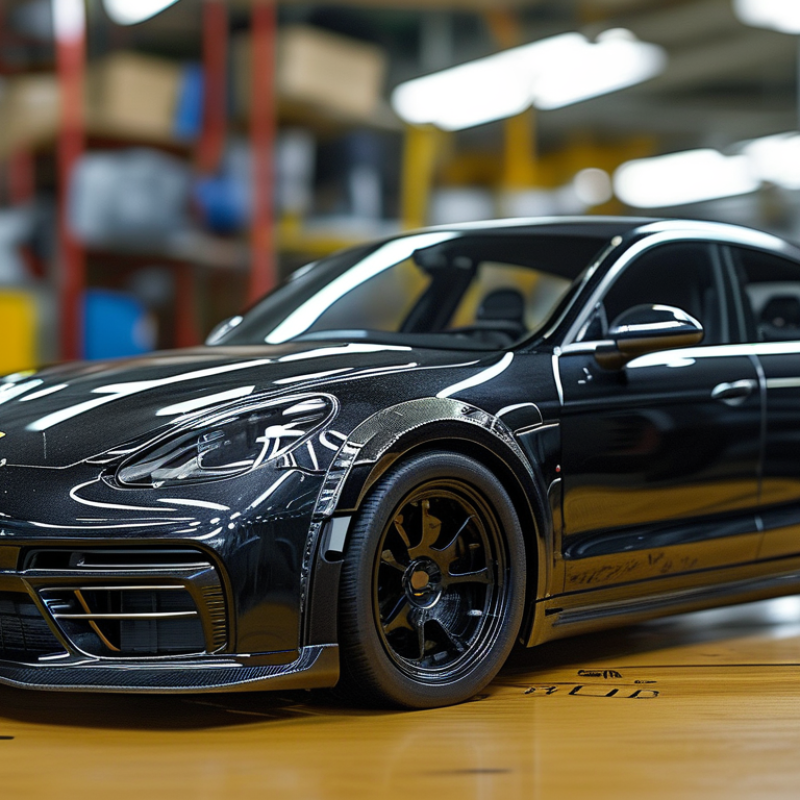
In the automotive sector, TPU film is often used for coatings and protective films. It helps shield surfaces from scratches and environmental damage. The film's ability to maintain its properties over time is a significant advantage. However, there are challenges in recycling TPU film. Its properties make it tough to break down, leading to environmental concerns. Addressing these issues will be crucial for its future sustainability in various applications.
TPU Film Applications Across Various Industries
Composition and Properties of TPU Film
Thermoplastic polyurethane (TPU) film is a versatile material widely used in various industries due to its unique properties. This film is made from a combination of hard and soft segments, resulting in excellent elasticity and flexibility. TPU films can exhibit a range of hardness levels, generally between 70A and 85D Shore hardness. This adaptability makes them suitable for applications requiring both toughness and softness.
The chemical structure of TPU provides it with outstanding resistance to abrasion, oil, and chemicals. According to a report by MarketsandMarkets, the global TPU market is expected to reach USD 2.53 billion by 2025, driven by growing demand in automotive and consumer goods. The film's high tensile strength and durability allow it to perform well under stress, making it ideal for applications like protective coatings and industrial fabric. Additionally, TPU film remains functional in a wide temperature range, from -40°C to 100°C, enhancing its appeal.
However, the production of TPU films is not without challenges. The complexity of the manufacturing process can lead to inconsistencies in quality. Ambient conditions during production can impact the final properties of the film. It is essential for manufacturers to implement strict quality control measures to ensure that the films meet industry standards. Addressing these challenges will be crucial for the future growth of TPU film applications in various sectors.
What is Tpu Film and its Applications in Various Industries? - Composition and Properties of TPU Film
| Property |
Description |
Applications |
| Flexibility |
High elasticity allows for bending and stretching without breaking. |
Footwear, sports equipment, and bags. |
| Durability |
Resistant to scratches, abrasions, and impacts. |
Automotive, industrial applications, and protective gear. |
| Chemical Resistance |
Resists oils, solvents, and many chemicals. |
Medical devices, packaging, and coatings. |
| Bio-compatibility |
Safe for use in medical applications and devices. |
Medical tubing, implants, and wound dressings. |
| Transparency |
Can be produced in clear forms for visibility. |
Display covers, protective shields, and packaging. |
Common Manufacturing Processes for TPU Film
TPU film is gaining popularity across numerous industries due to its versatility and durability. Its manufacturing processes are key to achieving high-quality results. One common process is extrusion. In this method, TPU pellets are melted and subsequently forced through a die to form a continuous film. This approach allows for precise thickness control and uniformity throughout the film.
Another important process is calendaring. In this technique, heated TPU is passed through rollers, creating sheets of specific thickness. This method can yield films with excellent optical clarity and surface finishes. However, controlling the temperature and pressure is crucial. Improper settings can lead to defects, impacting performance characteristics.
Injection molding is also utilized for TPU film applications, especially in creating complex shapes. This process requires skill and attention to detail. Variability in material flow can cause inconsistencies in the final product. Manufacturers need to constantly evaluate their techniques for improvement. Each process has its challenges, and finding the right balance between efficiency and quality is essential for success.
Applications of TPU Film in the Automotive Industry
TPU (Thermoplastic Polyurethane) film has gained popularity in the automotive industry due to its flexibility and durability. This material offers excellent abrasion resistance, making it ideal for high-wear applications. For instance, it is commonly used in car interior parts like seat coverings and dashboard trims. The softness of TPU film enhances comfort while providing a high-quality finish that is visually appealing.
In addition to protecting interior components, TPU film is widely utilized for exterior applications. It is often applied as a protective coating on vehicle surfaces. This helps prevent scratches and damages from road debris. Its water-resistant properties also contribute to vehicle longevity.
However, the environmental impact of TPU production is under scrutiny. The industry is exploring sustainable alternatives to minimize this effect. While TPU film presents many advantages, manufacturers must consider long-term ecological consequences.
Usage of TPU Film in Electronics and Consumer Goods
TPU (Thermoplastic Polyurethane) film is increasingly becoming important in the electronics and consumer goods sectors. This versatile material is known for its durability and flexibility, making it ideal for various applications. In electronics, TPU film is often used for protective covers, seals, and insulation layers. Its resistance to abrasion and chemicals ensures long-lasting performance for devices that endure everyday wear.
Consumer goods also benefit from TPU film. It is frequently used in cases for smartphones and tablets, providing a protective yet appealing design. The soft touch and glossy finish can enhance product aesthetics. Manufacturers appreciate the ease of processing TPU film, allowing for complex shapes and designs.
However, while TPU film offers many advantages, its eco-friendliness has come under scrutiny. Some argue that TPU is not as biodegradable as other materials. As industries evolve, the focus shifts toward finding more sustainable solutions. This calls for innovation in material choices that balance performance and environmental impact. The challenge lies in adopting TPU’s benefits while seeking alternatives that may align better with sustainability goals.