The Ultimate Guide to Choosing the Right Car Window Tint for Your Vehicle
When it comes to enhancing the comfort and aesthetic appeal of your vehicle, selecting the
right Car Window Tint is crucial. According to recent industry reports,
the global automotive window film market is projected to exceed $4 billion by 2025,
driven by increasing demand for UV protection, heat rejection, and privacy in vehicles.
A well-chosen window tint can not only protect passengers from harmful UV rays—up to 99% of which can be blocked—but also improve energy efficiency by reducing interior heat, leading to lower air conditioning costs.
Moreover, advanced tinting technologies have made it possible to achieve excellent visibility while maintaining a stylish look.
Understanding the various types of tints available—including
ceramic, dyed, and metallic options—can empower car owners to make informed choices that best suit their needs while complying with local regulations.
Understanding the Different Types of Car Window Tint Films
When it comes to choosing the right car window tint, understanding the different types of tint films is crucial. There are several options available, including dyed, metallic, ceramic, and hybrid films, each with its unique properties. Dyed films offer a more affordable option but may not provide substantial UV protection. Metallic films, on the other hand, reflect heat effectively but can interfere with electronic signals. Ceramic films are gaining popularity due to their superior heat rejection and UV protection while maintaining visibility.
**Tips:** When selecting a window tint film, consider factors like climate, desired level of privacy, and local regulations regarding tint limits. It's also essential to ensure professional installation to maximize the longevity and effectiveness of the film. Additionally, remember that darker isn't always better; over-tinting can lead to safety concerns, such as reduced visibility and potential fines.
With new regulations emerging in places like Kuwait, which now allows up to 50% tinting, staying informed about local laws is vital to ensure compliance. Keep in mind that window tints also play a significant role in protecting your vehicle's interior from fading and heat buildup, making them a worthwhile investment.
The Ultimate Guide to Choosing the Right Car Window Tint
This chart represents the different types of car window tint films and their common usage percentages. Understanding these options can help you choose the right tint for your vehicle.
Factors to Consider When Choosing Car Window Tint
When choosing car window tint, several factors must be considered to ensure you make the right decision for your vehicle. One of the most critical aspects to evaluate is the Visible Light Transmission (VLT) percentage. Recent changes in regulations have allowed for lower VLT levels on rear side windows and the rear windscreen, which could enhance privacy and aesthetics. However, it is essential to balance this with visibility concerns, as excessively dark tints can impair the driver's ability to see clearly, potentially leading to an increased risk of accidents.
Another vital factor is the heat rejection properties of the tint. High-quality tints can significantly reduce solar heat entering the vehicle, enhancing comfort and reducing the need for air conditioning. This is particularly beneficial in hot climates, as maintaining a cooler interior can also protect your vehicle's upholstery from fading and cracking. Always ensure that the chosen tint meets local legal standards to avoid potential fines and penalties, especially as enforcement on illegal tints has been intensifying in many areas.
Comparing Legal Regulations for Window Tinting in Different States
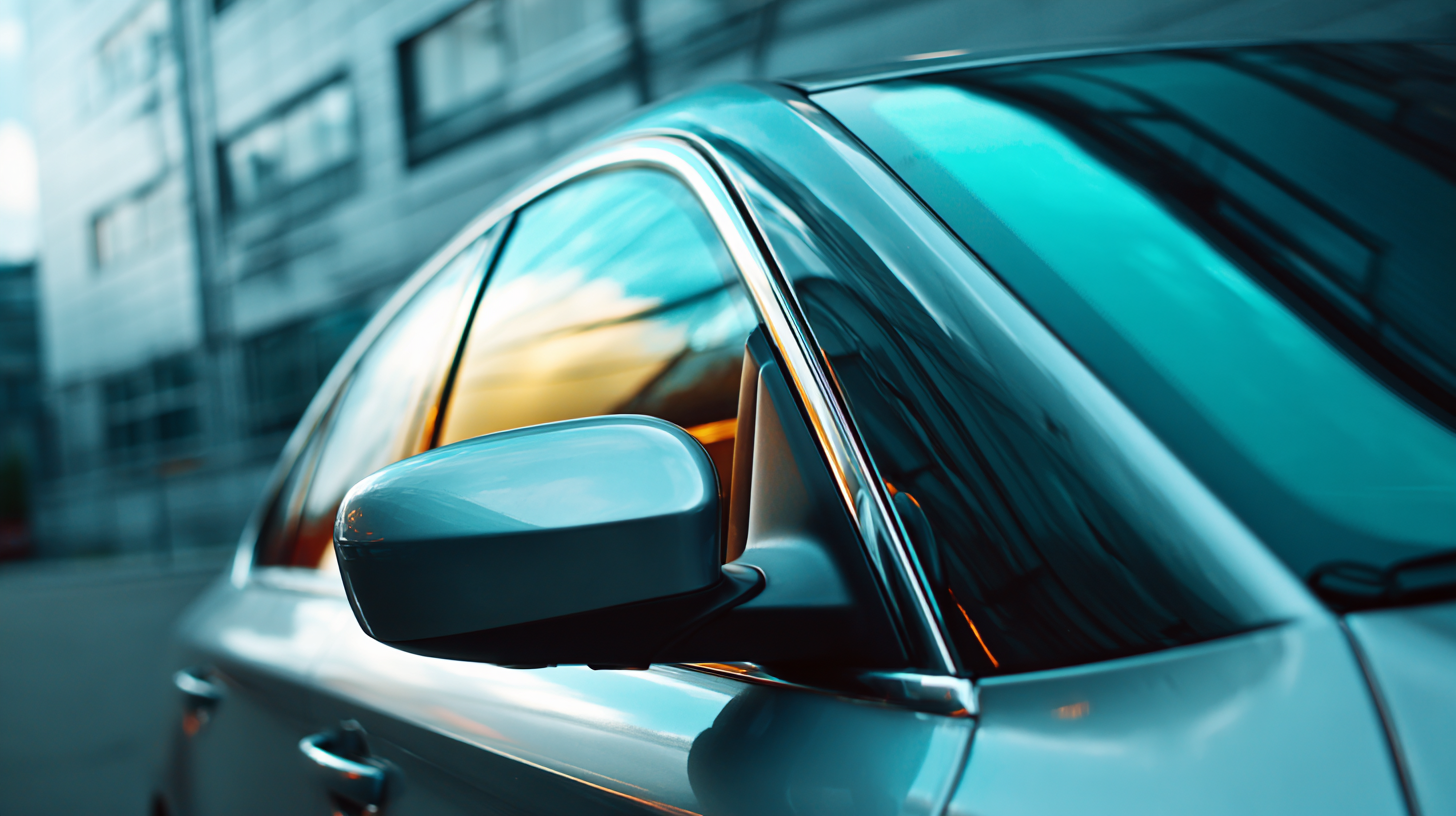
When choosing the right car window tint for your vehicle, understanding the legal regulations in your state is crucial. Different states in the U.S. have varying laws regarding the level of tint allowed on different windows. For instance, states like California have strict limits on the darkness of tint for front windshields, allowing only a non-reflective tint above the manufacturer's AS-1 line, while rear windows may be tinted more heavily. On the other hand, states like New Jersey permit darker tints on all windows, providing more options for drivers seeking privacy and heat reduction.
Additionally, regulations often dictate the percentage of visible light transmission (VLT) allowed. For example, in Texas, the front side windows must allow at least 25% of light in, while rear side and rear windows have no specific VLT requirement. It's important for car owners to familiarize themselves with these regulations to avoid fines and ensure their vehicle complies with state laws. By doing so, not only can they enhance their vehicle’s appearance and comfort, but also adhere to legal standards, making informed choices easier.
Benefits of UV Protection and Heat Reduction in Window Tints
When considering car window tinting, the benefits of UV protection and heat reduction cannot be overstated. With rising temperatures and growing awareness about skin health, choosing the right window tint for your vehicle has become essential. Tints can block up to 99% of harmful UV rays, which not only helps in protecting passengers from sunburn and long-term skin damage but also prevents the car's interior from fading and deteriorating. This added layer of protection enhances the longevity of the vehicle's upholstery and dashboard, making it a smart investment for any car owner.
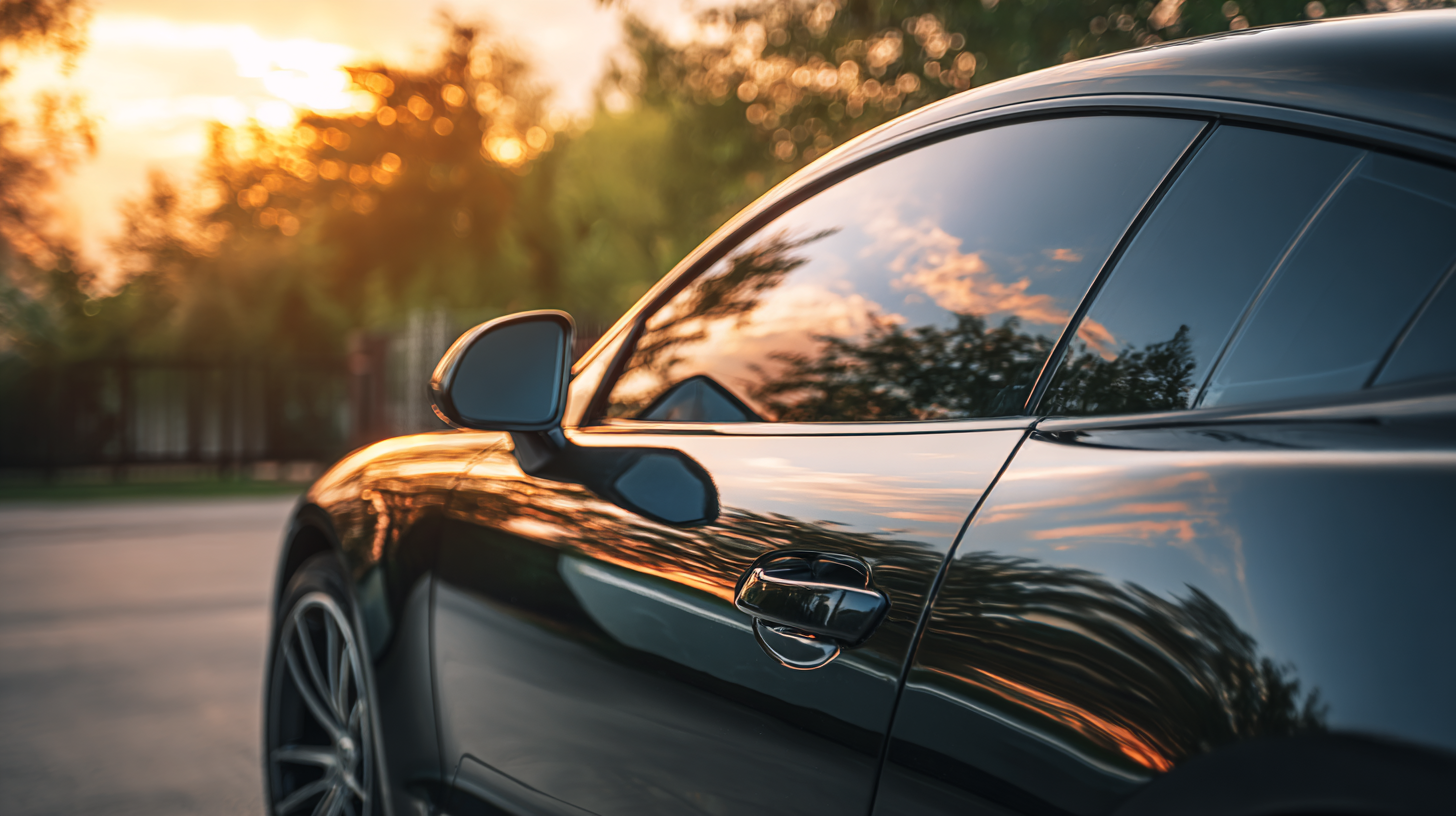
In coastal areas like Noosa, where the sun shines brightly for most of the year, window tinting is becoming a popular choice. Not only does it provide a cooler driving experience by significantly reducing heat penetration, but it also improves comfort and visibility for drivers. Regulations regarding tint levels can vary, with places like Kuwait recently introducing updated limits, so it’s important to be informed about local laws before installing window tints. Overall, the right car window tint isn't merely an aesthetic choice; it is a functional upgrade that promotes safer and more enjoyable driving in sunny environments.
Exploring the Aesthetic Aspects of Car Window Tinting Options
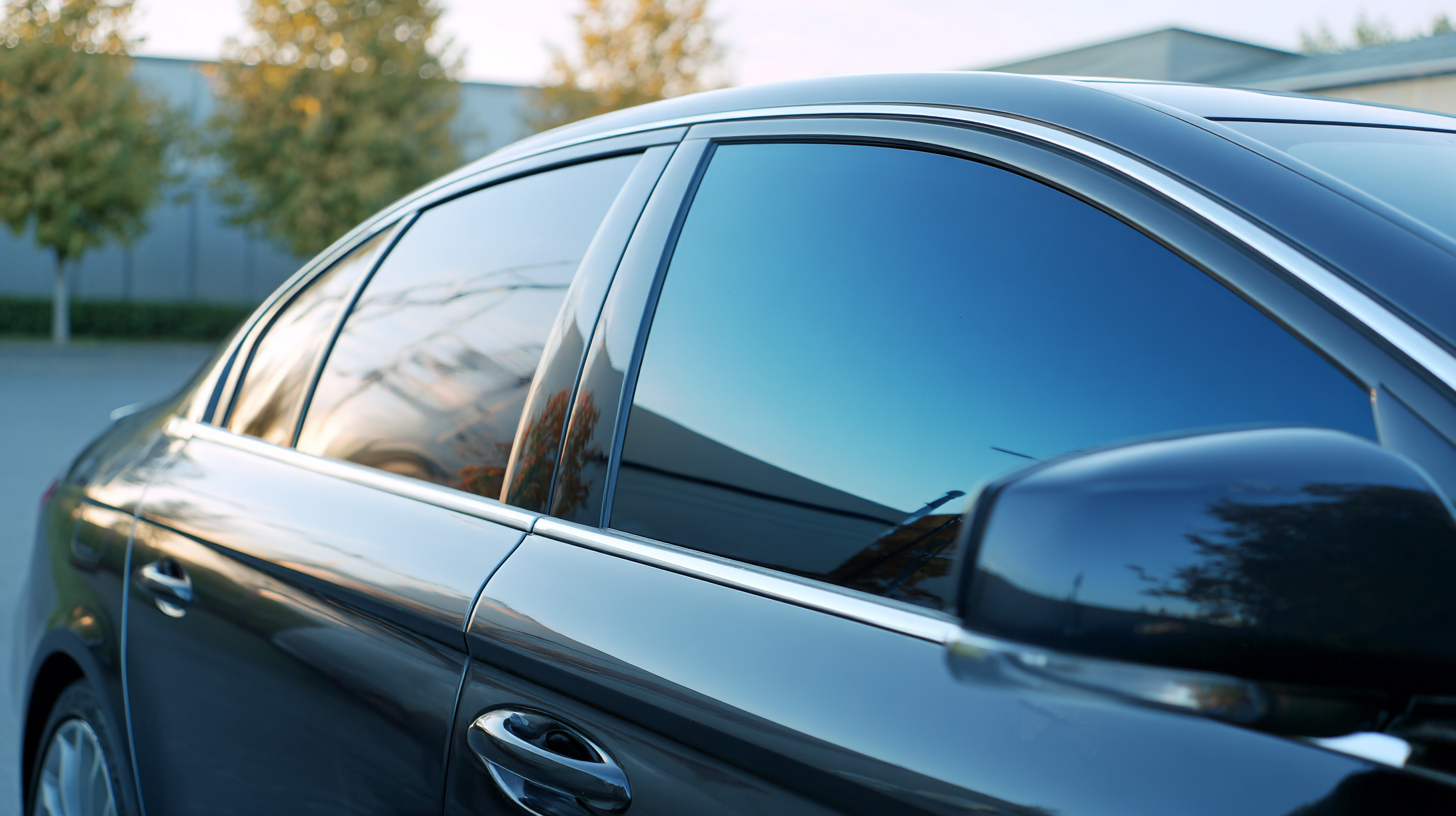
Car window tinting not only serves practical purposes—such as heat reduction and UV protection—but also significantly enhances the aesthetic appeal of your vehicle. When considering tint options, it's essential to think about how the color and darkness of the tint can complement your car's overall look.
Lighter tints can offer a sleek and modern appearance, while darker shades can provide a more sophisticated and luxurious vibe.
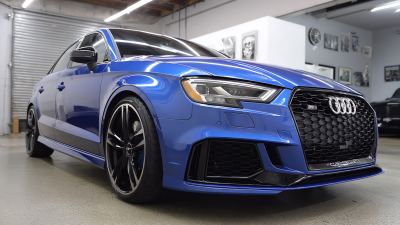
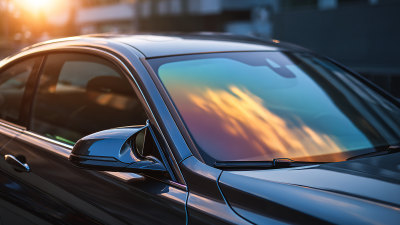
Tips: When choosing a tint, consider your car's color and design. A vibrant car might look best with a subtle tint that doesn’t overshadow its personality, while a neutral-colored vehicle can handle darker tints beautifully. Additionally, think about your location; if you're in a sunny area, a reflective tint could not only enhance aesthetics but also improve privacy and comfort.
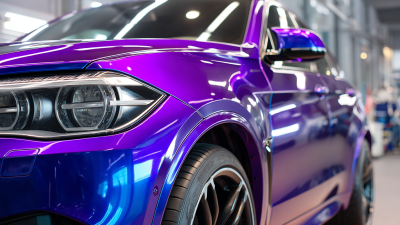
The finish of the tint also plays an important role in aesthetics. Matte tints can give a unique and stylish look, setting your vehicle apart from others on the road. On the other hand, glossy tints can create a sleek and polished finish.
Tips: Remember to check local regulations regarding tint darkness and reflectivity to ensure your car remains street-legal while achieving the look you desire.