The Ultimate Guide to Choosing the Best Ppf Headlight Tint for Your Vehicle
Choosing the right Ppf Headlight Tint is a critical decision for vehicle owners seeking to enhance both aesthetics and safety. According to recent industry reports, the automotive aftermarket tinting market is expected to reach approximately $11 billion by 2025, fueled by a growing demand for customized vehicle enhancements and protective solutions.
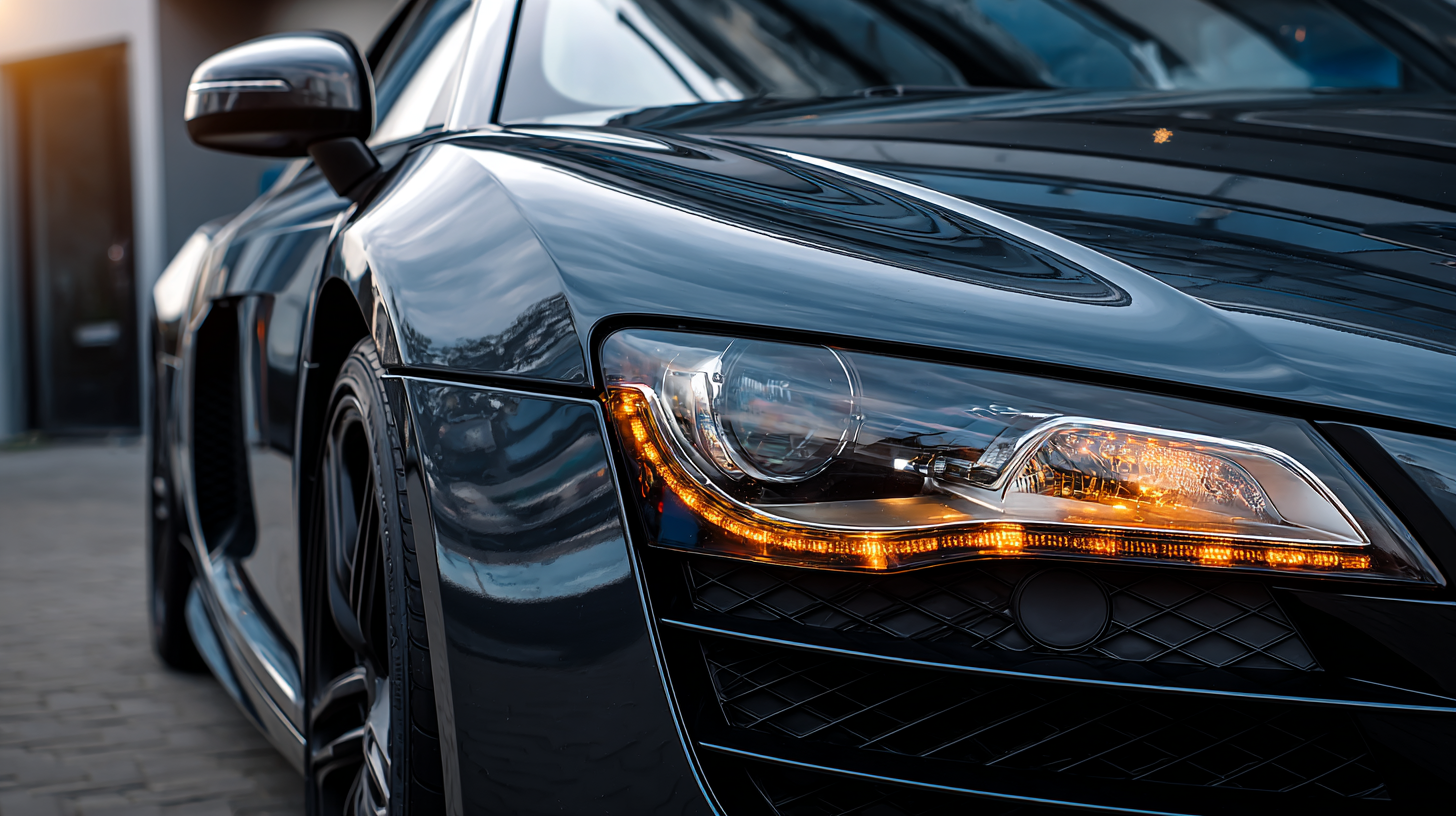
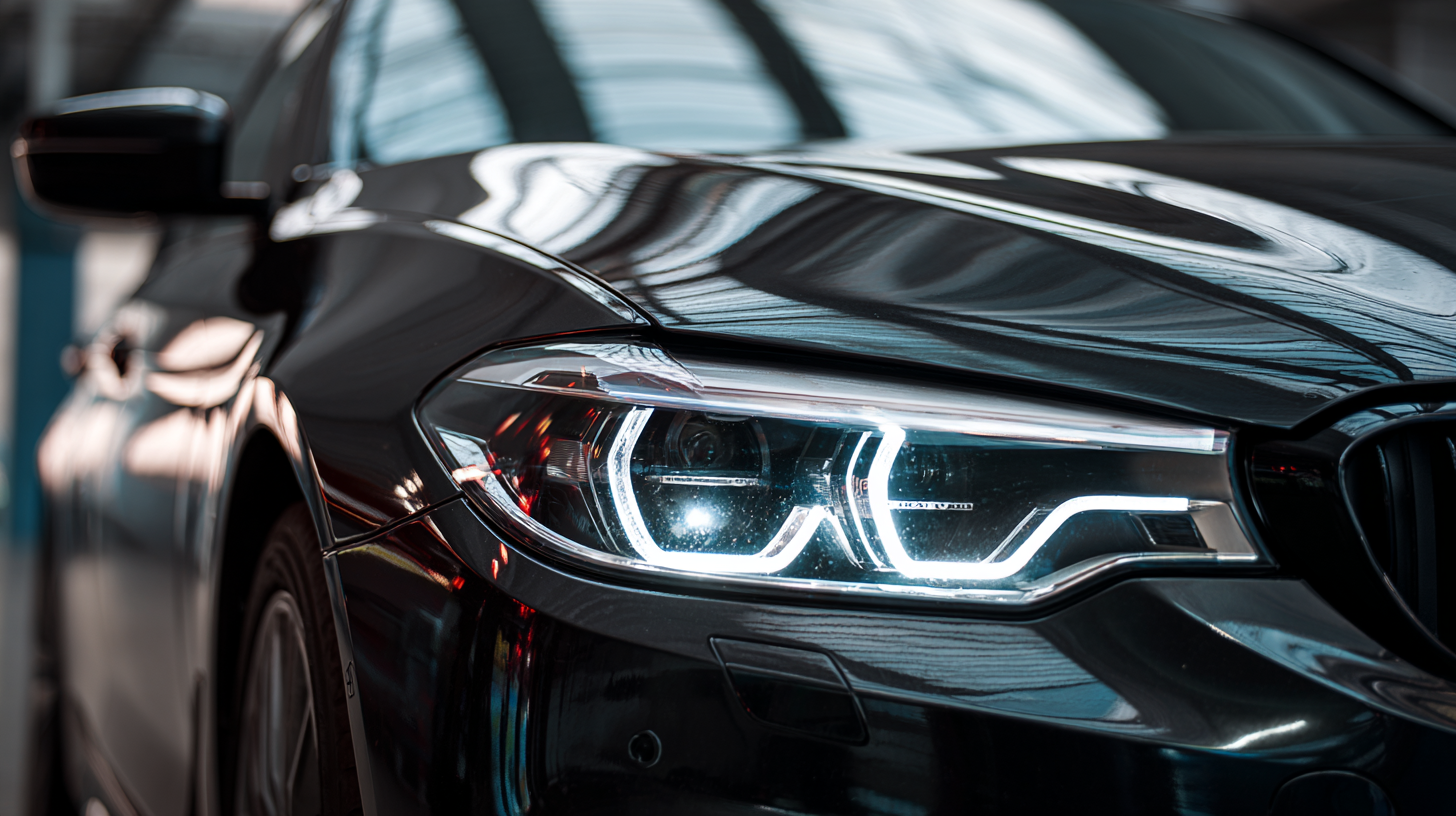
Ppf Headlight Tint not only adds a sleek appearance to your headlights but also provides protection against UV damage, scratches, and other environmental factors. As more drivers recognize the benefits of high-quality tinting films, understanding how to select the best option becomes essential.
With technology advancements and a wider variety of products available, this guide aims to navigate you through the complex landscape of Ppf Headlight Tint, ensuring your vehicle stands out while being well-protected on the road.
Understanding the Benefits of PPF Headlight Tint for Vehicle Protection
PPF (Paint Protection Film) headlight tint is becoming increasingly popular among vehicle owners due to its numerous protective benefits. According to a report from MarketsandMarkets, the global automotive protective films market is projected to grow from USD 3.2 billion in 2021 to USD 5.6 billion by 2026, indicating a rising awareness of vehicle protection products. PPF headlight tint helps protect headlights from UV rays, road debris, and harsh weather, which can cause yellowing and damage over time. In fact, studies have shown that vehicles with protective films can maintain up to 95% of their original clarity even after years of exposure, significantly enhancing safety by ensuring optimal visibility during nighttime driving.
In addition to physical protection, PPF headlight tint is also an aesthetic upgrade. When applied correctly, it enhances the overall appearance of the vehicle while providing a sleek, sporty look. Moreover, many manufacturers are now offering tints with built-in self-healing properties, which can recover from minor scratches and maintain their appearance longer. This innovation speaks to the growing emphasis on durability and performance in the protective film industry. As the trend towards customization and protection continues, investing in PPF headlight tint not only preserves the functionality of your vehicle but also contributes to its visual appeal.
Key Factors to Consider When Choosing PPF Headlight Tint
When choosing the best PPF (Paint Protection Film) headlight tint for your vehicle, several key factors should be taken into account to ensure optimal performance and aesthetics. One significant consideration is the tint’s
VLT (Visible Light Transmission) percentage. According to a study by the
International Window Film Association, a VLT of 70% is generally recommended to maintain clear visibility while still providing protection against UV damage and road debris.
Another vital factor is the compatibility of the film with your vehicle's existing paint and plastic materials. Not all tints adhere well to every surface, and using a high-quality film known for its durability can significantly enhance longevity. A report from the
Specialty Equipment Market Association indicates that using a top-tier PPF can extend headlight life by
up to 50% compared to untreated lights.
Tips: Always check for warranties provided by manufacturers, as this often signals the quality of the product. Moreover, consider consulting with a professional installer to ensure that the application is done correctly, preventing bubbles and wrinkles that could compromise the film’s efficacy. Investing time in research and professional advice can save both time and money on potential future repairs.
Comparing Different Types of PPF Headlight Tints: Pros and Cons
When selecting the best PPF (Paint Protection Film) headlight tint for your vehicle, understanding the different types available and their respective pros and cons is essential. Common options include dyed film, carbon film, and ceramic film.
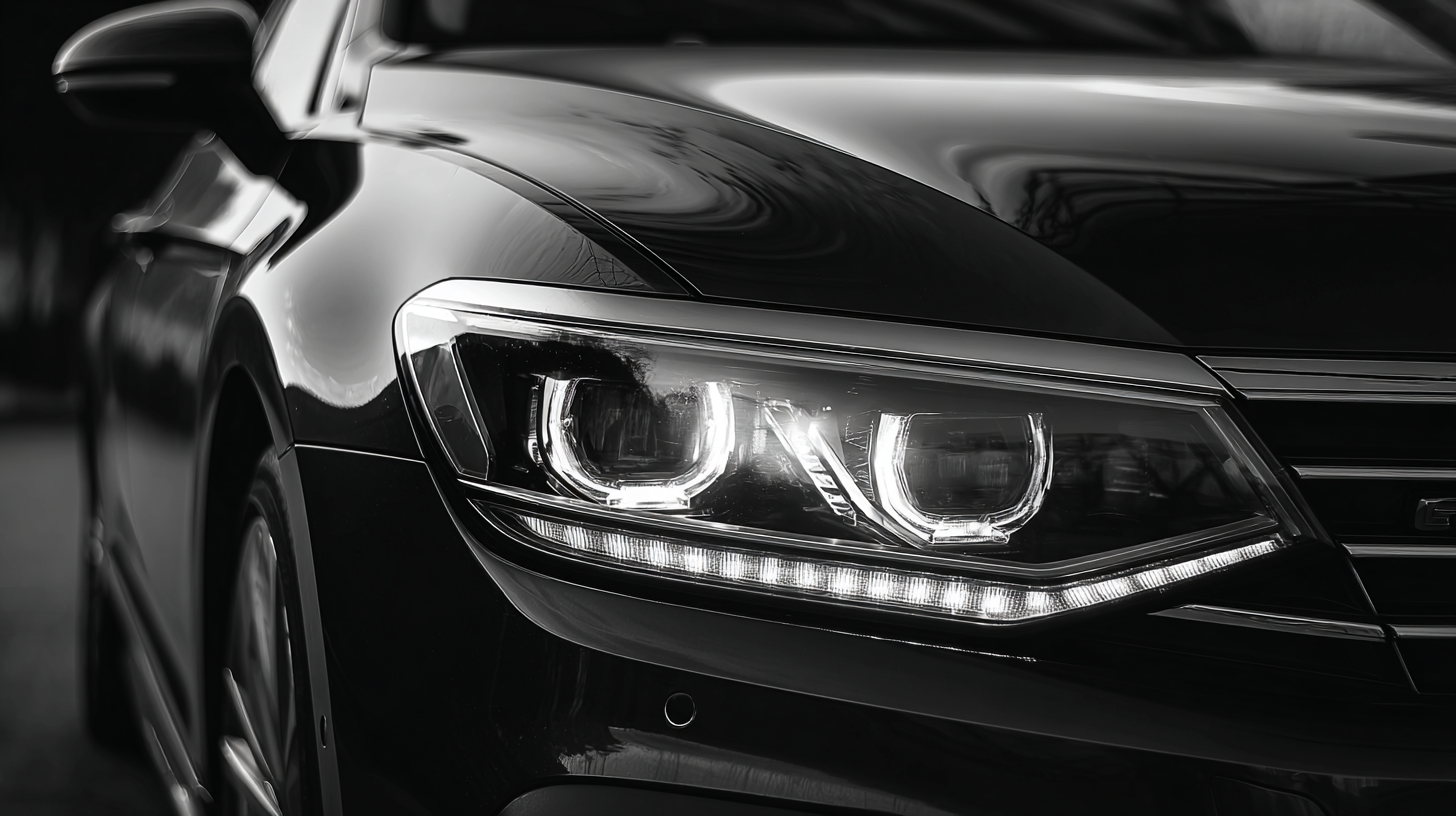 Dyed film is the most budget-friendly option, offering decent protection and a variety of colors. However, it can fade over time and may not provide optimum UV protection. According to a report by the International Window Film Association, many dyed films only block about 30% of harmful UV rays, which could lead to potential fading and damage to your headlights.
On the other hand, carbon films are praised for their sleek appearance and superior UV protection, blocking up to 99% of UV rays. While they tend to be pricier, their longevity and resilience make them a worthwhile investment. Ceramic films, while the most expensive, offer unparalleled protection with superior heat rejection and clarity. A study from the Solar Energy Research Institute indicates that ceramic films can reduce interior temperatures significantly, enhancing the longevity of both the headlights and surrounding components. Each type of PPF headlight tint carries unique advantages and drawbacks, making it vital to match your choice with your specific needs and driving conditions.
Installation Tips for a Flawless PPF Headlight Tint Application
When it comes to enhancing your vehicle’s appearance and protection, applying PPF headlight tint can be a game-changer. However, to achieve a flawless finish, attention to detail during installation is crucial. Begin by thoroughly cleaning the headlight surface to remove any dust, grease, or residues. Using a mixture of water and soap can help ensure the surface is free of contaminants. This step is vital as any debris trapped under the tint can lead to bubbles and imperfections.
After cleaning, it's essential to measure and cut the tint film accurately. Ensure you leave a small margin for adjustments. When applying the tint, spray the adhesive side with a soapy water solution. This technique allows for easier placement and repositioning. Using a squeegee, gently push any air bubbles toward the edges, ensuring a smooth application. For corners and curves, utilizing a heat gun can help the film conform better, providing that seamless look. Following these tips will ensure your PPF headlight tint not only looks great but also lasts longer.
Maintaining Your PPF Headlight Tint for Longevity and Performance
To ensure the longevity and performance of your PPF headlight tint, regular maintenance is key. Start by cleaning the surface with a gentle automotive soap and soft cloth to avoid scratching. Avoid using acidic or harsh cleaners, as they can degrade the protective film over time. Rinse thoroughly with clean water and dry with a microfiber towel to prevent water spots and keep the tint looking vibrant.
Additionally, it's important to apply a protective sealant specifically designed for PPF. This adds an extra layer of defense against UV rays, dirt, and contaminants which can lead to fading or yellowing. Regular inspections of the tint for any signs of peeling or damage will help catch potential issues before they worsen. By following these maintenance tips, you can ensure that your PPF headlight tint not only lasts longer but also maintains its aesthetic appeal, enhancing both the look of your vehicle and the performance of your headlights.