Understanding the Versatility and Durability of Paint Film in Modern Coating Applications
In the realm of modern coating applications, the importance of paint film cannot be overstated, as it serves as a critical barrier against environmental factors, ensuring the longevity and aesthetic appeal of surfaces. According to a report by the Freedonia Group, the demand for paint and coatings is projected to reach $202 billion by 2024, with advancements in paint film technology driving this growth. The versatility of paint film allows it to be tailored for a wide array of substrates and conditions, making it an ideal choice for industries ranging from automotive to aerospace. Additionally, the durability of paint film is underscored by the fact that coatings with superior film properties can enhance a product's lifespan by up to 30%, as noted in the latest study by the Global Coatings Alliance. As we delve into the understanding of paint film, we uncover its pivotal role in shaping the future of coating solutions, balancing both functionality and aesthetic satisfaction.
Exploring the Properties of Modern Paint Films for Various Applications
Modern paint films exhibit a remarkable range of properties that cater to various industries, enhancing both functionality and aesthetic appeal. According to a recent study by Grand View Research, the global paint and coatings market is expected to reach USD 255.6 billion by 2024, driven largely by innovations in paint film technology. These advancements have resulted in formulations that provide excellent resistance to environmental stresses, including UV light, moisture, and temperature fluctuations. This durability is critical for applications in sectors such as automotive, aerospace, and construction, where longevity and performance are paramount.
Additionally, modern paint films are designed to be versatile, meeting the specific needs of diverse applications. Reports from the American Coatings Association indicate that specialty coatings are becoming increasingly popular, with demand rising by over 10% annually. This growth is fueled by the introduction of innovative additives that enhance properties like adhesion, flexibility, and chemical resistance. For example, high-performance polyurethane and epoxy coatings are frequently employed in industrial settings, reflecting the ongoing trend towards specialized solutions that ensure optimal protection and appearance across various substrates. These advancements underscore the pivotal role of paint films in creating resilient and adaptable coating solutions for the modern marketplace.

Key Factors Affecting the Durability of Paint Films in Coating Solutions
The durability of paint films in modern coating applications is influenced by several key factors that can make a significant difference in performance and longevity. One of the primary considerations is the type of resin used in the paint formulation.
High-quality resins provide better adhesion and resistance to environmental stresses such as moisture, UV radiation, and temperature fluctuations. Additionally, the thickness of the paint film plays a crucial role; a thicker application generally offers enhanced protection, but it must be balanced with the risk of cracking or peeling.
Tips: When selecting a paint for your project, look for products specifically designed for exterior use if you want durability against harsh weather conditions. Always ensure proper surface preparation before application, as this can drastically improve the longevity of the paint film.
Another important factor is the curing process of the paint. Proper curing allows the paint to achieve optimal hardness and adhesion. Environmental conditions during application, such as humidity and temperature, significantly affect curing times. It is essential to follow the manufacturer’s recommendations regarding these conditions to ensure the paint film achieves its intended durability.
Tips: If you're uncertain about the optimal conditions for curing, consider waiting for a clear day with moderate temperatures to apply your paint, as this reduces the chances of poor adhesion and improper curing.
Comparative Analysis of Paint Film Versatility Across Different Industries
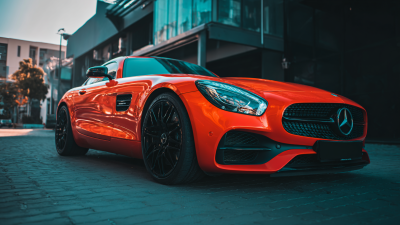
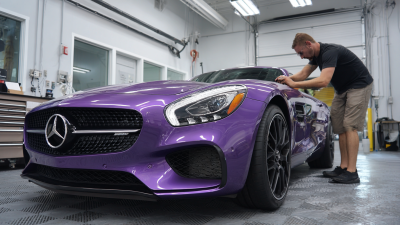
In today's diverse industrial landscape, paint films play a crucial role across various sectors, including automotive, aerospace, and construction. Each industry leverages the unique properties of paint films, such as their ability to withstand environmental stressors, enhance aesthetics, and provide protective barriers. For instance, in the automotive sector, paint films must endure harsh weather conditions, UV exposure, and mechanical wear, leading to the development of high-performance formulations that ensure longevity and resilience.
**Tips:** When selecting paint films for specific applications, always consider the environmental conditions the product will face. Ensure that the chosen paint film offers resistance to solvents, chemical exposures, and abrasion, particularly for high-performance needs.
Another industry making significant use of versatile paint films is aerospace, where lightweight coatings are essential for fuel efficiency without compromising safety. The ability to tailor paint formulations for specific functionalities, such as thermal insulation or resistance to extreme temperatures, demonstrates the adaptability of these materials.
**Tips:** For aerospace applications, prioritize coatings that are lightweight yet durable. Conduct thorough testing under simulated conditions to ensure the paint film's performance meets the necessary safety and regulatory standards.
Understanding the Versatility and Durability of Paint Film in Modern Coating Applications
Maintenance Tips for Maximizing the Lifespan of Paint Film Coatings
Proper maintenance of paint film coatings is essential to enhance their lifespan and maintain their aesthetic appeal. Regular inspections should be conducted to identify any signs of damage, such as peeling, cracking, or discoloration. Addressing these issues promptly can prevent further deterioration and save costs in the long run. Additionally, washing the surface periodically with mild soap and water can help remove dirt, grime, and other contaminants that may compromise the integrity of the coating.
Another vital aspect of maintenance is protecting the paint film from harsh environmental factors. Applying a protective sealant can provide an extra layer of defense against UV rays, moisture, and temperature fluctuations. Furthermore, avoiding abrasive cleaning products and tools will help preserve the coating’s finish. By following these maintenance tips, property owners can ensure that their paint film coatings remain durable and visually appealing for years to come, showcasing the full versatility of modern coating applications.
Understanding the Versatility and Durability of Paint Film in Modern Coating Applications - Maintenance Tips for Maximizing the Lifespan of Paint Film Coatings
| Coating Type |
Versatility |
Durability (Years) |
Maintenance Frequency |
Common Applications |
| Acrylic Paint |
High |
5-10 |
Every 2 years |
Interior and Exterior Walls |
| Polyurethane Coatings |
Medium |
10-15 |
Every 3-5 years |
Furniture and Flooring |
| Epoxy Paint |
High |
15-20 |
Every 5 years |
Industrial Flooring |
| Latex Paint |
Very High |
7-12 |
Every 1-3 years |
Residential Interiors |
| Chalked Paint |
Medium |
5-7 |
Every 2 years |
Art Projects and Furniture |
Innovative Technologies Enhancing the Performance of Paint Films in Coatings
Innovative technologies have significantly enhanced the performance of paint films, driving a new era in modern coating applications. Advances such as nanotechnology and smart coatings are transforming the way paint films behave under various environmental conditions. Nanoparticles can modify the properties of paint, increasing its durability, scratch resistance, and self-cleaning abilities. These enhancements not only extend the lifespan of coatings but also reduce maintenance costs while providing aesthetically pleasing finishes.

Moreover, developments in polymer chemistry have led to the creation of multifunctional paint films that can adapt to their surroundings. For example, thermochromic and photochromic paints change color in response to temperature or light, adding both functionality and visual appeal. Such innovations equip paint films with unique properties, making them suitable for a broader range of applications—from residential to industrial and automotive sectors. By integrating these cutting-edge technologies, manufacturers can produce more resilient and versatile coatings, meeting the ever-evolving demands of consumers and industries alike.