Top 10 Benefits of Paint Protection Film for Your Vehicle
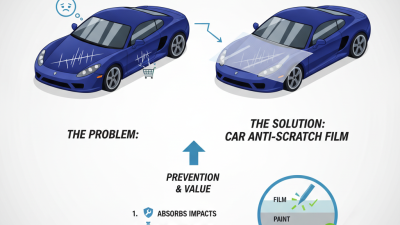
In the automotive industry, Paint Protection Film (PPF) has become a hot topic among vehicle owners. This innovative product offers a shield against scratches, chips, and fading. Alex Johnson, a renowned expert in automotive detailing, emphasizes, "PPF is more than just protection; it's an investment in your vehicle's future." His perspective reflects the growing recognition of PPF's role in vehicle maintenance.
The benefits of Paint Protection Film extend beyond aesthetic appeal. It enhances resale value and keeps the exterior looking new. Many drivers face the dilemma of wear and tear. PPF provides a practical solution. It resists UV rays, which can cause paint to dull over time. Each application requires skill, ensuring a seamless fit that maintains the vehicle's sleek design.
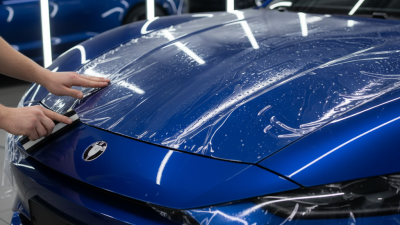
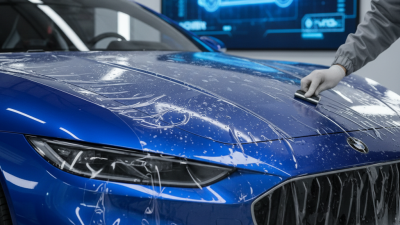
However, challenges remain. Not all films are created equal, and finding the right installer is crucial. Poor application may lead to bubbles or wrinkles. The learning curve is steep for newcomers in the industry. Exploring the various types of PPF is essential for informed decisions. Despite these hurdles, the advantages are clear. Investing in Paint Protection Film ultimately reflects a commitment to quality and longevity for any vehicle.
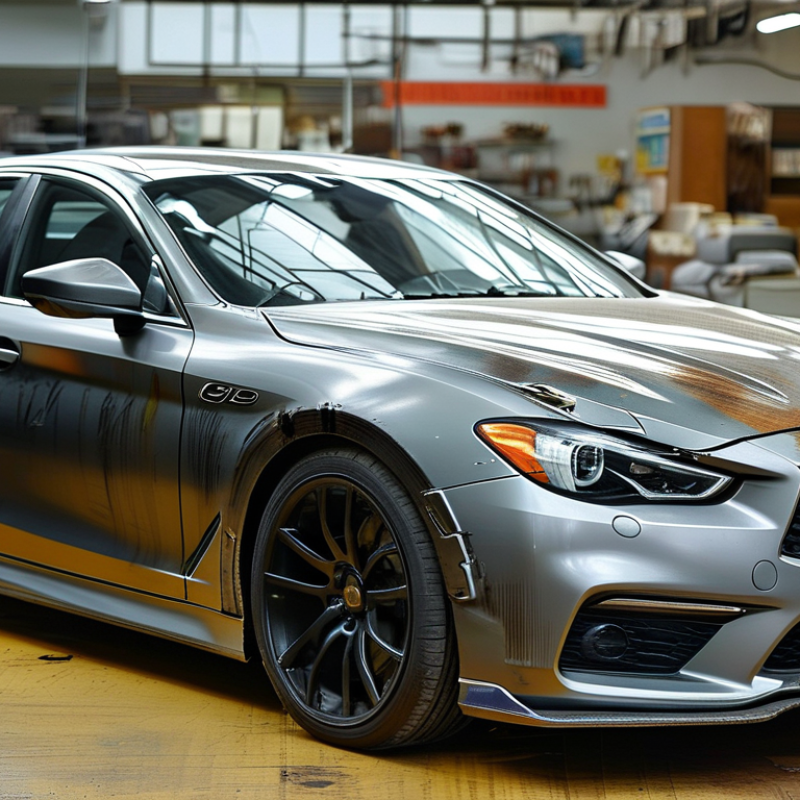
Understanding Paint Protection Film: What It Is and How It Works
Paint Protection Film (PPF) is essential for vehicle maintenance. It acts as a
clear shield for your car’s paintwork. Car owners invest approximately
$1,000 to $4,000 in PPF. This is a small price for quality
preservation.
PPF is made from thermoplastic urethane. This material absorbs impacts from road debris, preventing scratches. A study
by the Specialty Equipment Market Association highlighted that PPF can reduce paint damage by up to
99%. Many owners report a marked improvement in their
vehicle's resale value.
Additionally, PPF is self-healing. Minor scratches disappear when heated. This feature is effective but has
limitations; deep cuts still need repair. Some films can discolor over time and require replacements.
Understanding these nuances is crucial for informed decisions. Gardening techniques can double the lifespan of your
protection. Investing in proper care can maximize benefits.
Top Advantages of Applying Paint Protection Film on Vehicles
Applying paint protection film (PPF) to vehicles offers several significant advantages. Data from industry reports show that PPF can reduce the risk of paint damage by up to 90%. This film acts as a barrier against road debris, scratches, and environmental contaminants.
Many motorists appreciate that PPF helps maintain a car's resale value. The National Automobile Dealers Association reported that well-maintained vehicles often sell at a premium. By preventing exterior damage, PPF plays a crucial role in preserving that value.
Moreover, PPF enhances the aesthetic appeal of cars. The film is virtually invisible and maintains the original color and gloss of the paintwork. However, not every application is perfect. Some users have noted adhesion issues or bubbles under the film. Ensuring proper installation by professionals minimizes these risks. Overall, the benefits of paint protection film for vehicles are considerable, but attention to detail in application is essential.
Long-term Cost Savings from Paint Protection Film Installation
Installing paint protection film (PPF) on your vehicle offers significant long-term cost savings. This transparent layer
shields your car's paint from scratches, chips,
and environmental damage. Without this protection, paint repairs can be costly and time-consuming. A small scratch might seem minor, but
repairing it can lead to far greater expenses over time.
Investing in paint protection film not only preserves your vehicle’s aesthetics but also enhances its resale value.
A well-maintained exterior reflects care and attention. If you keep your car looking pristine, it attracts buyers and can sell for
a higher price. Many owners underestimate the wear that daily driving inflicts on their cars.
PPF acts as a buffer against various road hazards. Imagine driving in heavy rain or on gravel roads;
PPF can be a lifesaver.
Some drivers hesitate about the initial cost of installation. It's easy to overlook the recurring expenses of paint
repair and maintenance. Regular waxing and touch-ups add up. PPF requires minimal upkeep and lasts for years.
It presents a practical solution for proactive vehicle owners aiming for long-term savings.
Investing in this protective film might seem daunting, yet considering the ongoing costs of neglect could change your perspective.
Enhanced Resale Value of Vehicles with Paint Protection Film
Paint Protection Film (PPF) plays a significant role in enhancing the resale value of vehicles. According to a study by the Automotive Protection Association, vehicles adorned with PPF can see resale values increase by up to 15%. This boost is largely due to the film's ability to preserve the paint and protect against scratches, chips, and environmental damage. Potential buyers often perceive a well-maintained exterior as a sign of overall care for the vehicle.
Moreover, modern consumers are increasingly aware of the costs associated with paint repairs. The National Association of Automotive Engineers reports that repainting a vehicle can range from $500 to over $5,000, depending on the severity of the damage. PPF not only prevents these expenses but also serves as a selling point. A vehicle with unmarred paintwork showcases a level of diligence that appeals to prospective buyers, indicating a vehicle that could potentially require less maintenance over time.
However, while PPF offers benefits, it is essential to consider its application. If not installed correctly, PPF can develop bubbles or yellowing over time. This misstep can detract from the vehicle’s appearance and lower resale value. Thus, choosing a reputable installer and understanding product options is vital—buyers need clarity on their choices. Investing in PPF might seem straightforward, but careful consideration is necessary for long-term benefits.
Comparing Paint Protection Film to Other Vehicle Protection Options
When it comes to vehicle protection, paint protection film (PPF) stands out. Unlike traditional wax or sealants, PPF offers a durable barrier against scratches, chips, and environmental damage. This clear film adheres directly to your vehicle's surface, providing long-lasting defense. Many car owners prefer PPF for its ability to self-heal minor abrasions, keeping the vehicle looking pristine with minimal upkeep.
Tips for maintenance include regular washing. Use a gentle soap to avoid damaging the film. Avoid automatic car washes with brushes that might scratch the surface. Additionally, consider applying a ceramic coating over PPF for extra shine and easier cleaning.
While PPF is effective, some might question its cost. Compared to ceramic coatings or waxing, PPF can be more expensive upfront. However, the long-term protection and preservation it offers often justify the initial investment. Reviewing different protection options is essential. Ultimately, choosing PPF can enhance your vehicle's appearance and resale value. Remember, not every option suits all needs. Assess your environment and driving habits before making a decision.
Top 10 Benefits of Paint Protection Film for Your Vehicle
| Benefit |
Paint Protection Film |
Ceramic Coating |
Waxing |
| Durability |
Extremely durable, can last up to 10 years |
Lasts 2-5 years |
Lasts a few weeks to a few months |
| Self-Healing Properties |
Yes, minor scratches heal with heat |
No |
No |
| UV Protection |
Blocks harmful UV rays |
Provides UV protection |
Limited UV protection |
| Chemical Resistance |
Highly resistant |
Moderately resistant |
Low resistance |
| Ease of Cleaning |
Very easy to clean |
Easy to maintain |
Requires regular upkeep |
| Application Process |
Professional installation recommended |
Can be professionally applied |
DIY option available |
| Cost |
Higher initial investment |
Moderate cost |
Low cost |
| Impact on Vehicle Appearance |
Maintains original paint finish |
Enhances gloss |
Can dull appearance over time |
| Reapplication Frequency |
Not needed for years |
Every few years |
Regularly needed |
| Overall Value |
High long-term value |
Good value |
Limited value over time |