What are the Benefits of Using Photochromic Film in Products?
The incorporation of Photochromic Film in various products is revolutionizing industries from eyewear to automotive. Research indicates that the global photochromic materials market is projected to reach $2 billion by 2025, driven by increasing demand from consumers seeking UV protection and enhanced comfort. Photochromic films change tint in response to solar exposure, offering a unique solution for users looking for adaptability in eyewear, buildings, and more.
Dr. Emily Thompson, a leading expert in smart materials, highlights the potential of this technology. "Photochromic Film not only enhances product functionality but also improves user experience," she states. This innovative film is becoming integral in optimizing safety and convenience in everyday products. Reportedly, over 60% of consumers prefer products that include photochromic properties, reflecting a significant shift in consumer trends.
Despite the growing acceptance of Photochromic Film, challenges remain. For instance, performance can vary based on environmental conditions. Additionally, the production costs can be higher than conventional materials. The industry must address these concerns while harnessing the full potential of photochromic technology. Ultimately, the path forward requires a balance of innovation and practicality in product development.
Benefits of Photochromic Film in Eyewear Products
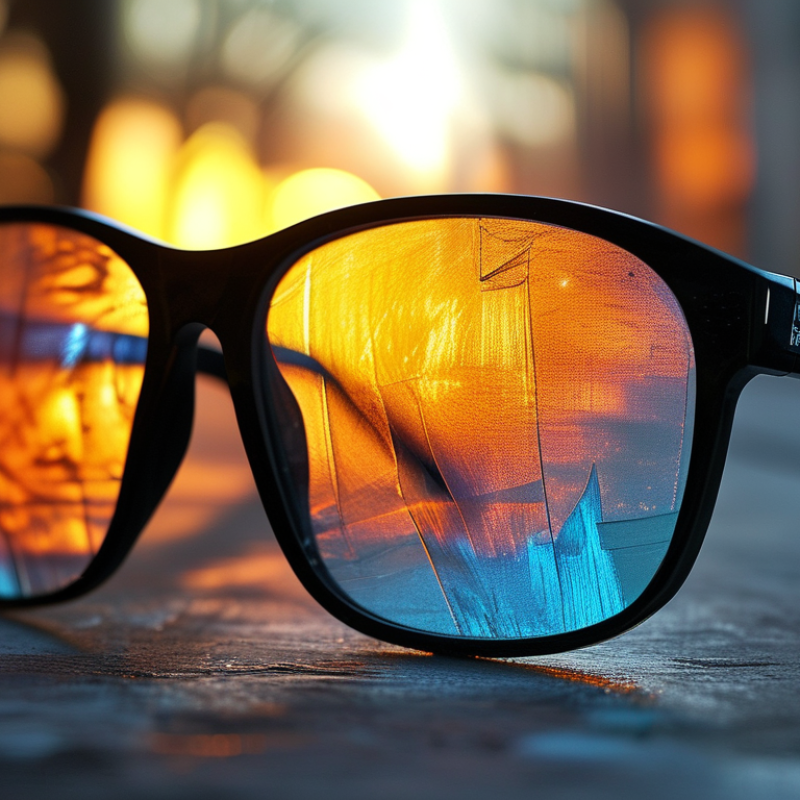
Photochromic film has revolutionized the eyewear industry. This innovative technology offers lenses that transition from clear to tinted based on exposure to UV light. The main benefit is enhanced comfort. With photochromic lenses, wearers enjoy clear vision indoors and protection outdoors. This flexibility is ideal for those who move between different environments frequently.
Moreover, photochromic film provides added eye protection. Harmful UV rays can lead to long-term damage. By blocking these rays, the film helps in reducing glare and strain. This is particularly beneficial for outdoor enthusiasts or those who work in bright conditions. However, there can be a learning curve. Some users may experience slow transitions between states, which can be inconvenient.
Additionally, comfort extends to aesthetics. Photochromic lenses come in various colors. This customization allows individuals to express their personal style while enjoying practical benefits. Nevertheless, the technology is not perfect. Some lenses may not darken sufficiently in cars due to UV filtering through the windshield. Users should consider their typical use cases.
Enhanced Comfort and Protection from UV Rays
Photochromic film offers several benefits, particularly in enhancing comfort and protection against harmful UV rays. This innovative technology enables lenses or surfaces to darken in response to sunlight. As a result, users experience reduced glare and eye strain. This adjustment occurs quickly, making transitions between indoor and outdoor spaces seamless.
In addition to comfort, photochromic film significantly blocks UV rays. Prolonged exposure to these rays can lead to various health issues. With photochromic film, individuals can enjoy outdoor activities more safely. Protecting your eyes from UV rays is crucial for long-term visual health.
Tips: Choose photochromic products that meet your specific needs. Not all films offer the same level of UV protection or transition speed. Consider trying different options to find the best fit. Remember, while photochromic film is effective, it may not eliminate glare in all situations. Regular eye check-ups are essential to ensure optimal eye health, regardless of the protective measures you take.
Benefits of Using Photochromic Film in Products
Improved Aesthetic Appeal in Various Applications
Photochromic film is gaining attention in various industries. One significant benefit is its ability to enhance the aesthetic appeal of products. When exposed to sunlight, this film transforms from clear to tinted, creating a striking visual effect. This transition attracts consumers looking for innovative designs in eyewear, automotive glass, and even architectural features.
In eyewear, photochromic lenses provide both style and functionality. They adapt to changing light conditions, offering protection against glare while maintaining a fashionable look. This dual purpose appeals to outdoor enthusiasts as well as everyday users. Similarly, in architecture, windows with photochromic film adjust their tint, adding an elegant touch to buildings. The interplay of light and transparency invites admiration and prompts onlookers to appreciate the modern design.
However, the benefits aren't without challenges. Some consumers may find the transition slow in certain conditions. Others might wish for a wider range of color options. These reflections underscore the potential for improvement in photochromic technology, ensuring it meets the varying tastes and expectations of users. The journey toward perfecting this innovation continues, as the demand for both functionality and visual appeal remains strong.
Versatility Across Different Product Categories
Photochromic film is revolutionizing various product categories. This versatile technology adapts to changing light conditions. For example, in eyewear, photochromic lenses can darken in sunlight and return to clear indoors. According to the Optical Society of America, nearly 30% of consumers prefer photochromic lenses over traditional options.
The potential for photochromic film extends beyond eyewear. In architecture, windows embedded with photochromic materials can adjust their tint based on sunlight exposure. This feature enhances energy efficiency by reducing heating and cooling costs. A report from the U.S. Department of Energy indicates that such windows can reduce energy use by up to 50% in some climates.
Moreover, this technology is being integrated into automotive applications. Vehicles with photochromic glass can improve driver comfort by reducing glare. Research shows that a significant percentage of drivers experience discomfort from direct sunlight. By providing relief from harsh lighting, photochromic films can enhance overall safety on the road. While the benefits are clear, there is still room for improvement in durability and cost-effectiveness. The journey of photochromic film continues to evolve, reflecting the industry's commitment to innovation.
Long-Term Economic Advantages for Consumers
Photochromic film offers significant long-term economic advantages for consumers. These films adapt to light changes, darkening in bright sunlight and returning clear indoors. This technology enhances comfort while reducing eye strain. Products featuring photochromic film, like eyewear and window films, provide extended durability. They resist wear and damage, reducing the need for replacements.
Tips: Consider investing in products with photochromic film. They can save you money over time. Look for options that suit your lifestyle for optimal benefits.
Consumers appreciate the energy savings these films provide. For instance, window films can lower cooling costs. This feature becomes evident during hot summer months. However, the initial cost might seem higher than traditional options. It is essential to weigh the long-term savings against upfront expenses. Analyze whether frequent replacements of non-photochromic products outweigh the higher investment in advanced technology.
Tips: Calculate potential savings before your purchase decision. Often, the savings from reduced energy bills add up quickly. A thoughtful assessment can lead to smarter spending choices.