Best Paint Protection Film for Your Vehicle in 2026?
In 2026, choosing the best Paint Protection Film for your vehicle is more crucial than ever. The automotive industry has seen significant advancements in protective technologies. Experts like John Smith, a renowned authority in paint protection solutions, emphasize the importance of quality. He states, “A superior Paint Protection Film can safeguard your vehicle’s finish from everyday wear and tear.”
Paint Protection Film is designed to shield your car’s paint from scratches, chips, and environmental damage. With increasing vehicle values, investing in high-quality protection has become essential. Many films come with self-healing properties, offering a long-lasting solution that maintains your car's aesthetics. However, not all options are created equal, which can lead to confusion for consumers.
It's vital to navigate this evolving landscape wisely. Some films may perform well initially but fail over time, leading to peeling or discoloration. The decision requires careful consideration of durability, clarity, and warranty. By staying informed about the latest innovations, you can select a film that provides the best protection for your vehicle's aesthetics and resale value.

Understanding Paint Protection Film (PPF) and Its Types for 2026
Paint protection film (PPF) is essential for vehicle care. It provides a clear shield that guards against scratches, chips, and environmental damage. Many vehicle owners are opting for PPF to maintain their car's aesthetic appeal. In 2026, understanding the types of PPF available is crucial for making an informed decision.
There are several types of PPFs on the market today. Self-healing films can recover from minor scratches when exposed to heat. Another popular option is matte finish films that offer a unique look while still providing protection. Some PPF is designed to provide additional UV resistance, preventing paint from fading. However, selecting the right type can be daunting. Not all films are suitable for every vehicle or climate.
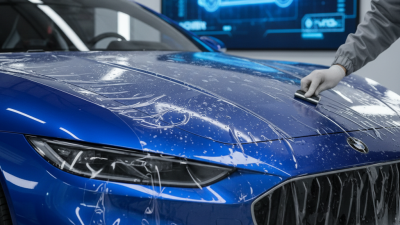
Installation is another important aspect. Proper installation ensures longevity and effectiveness. It's wise to choose a qualified professional for this task. While DIY options exist, they often lead to air bubbles or misalignment. These mistakes can diminish the film's protective qualities. Therefore, trust and expertise matter in this process, ensuring you get the best results for your vehicle.
Key Benefits of Using Paint Protection Film for Vehicle Longevity
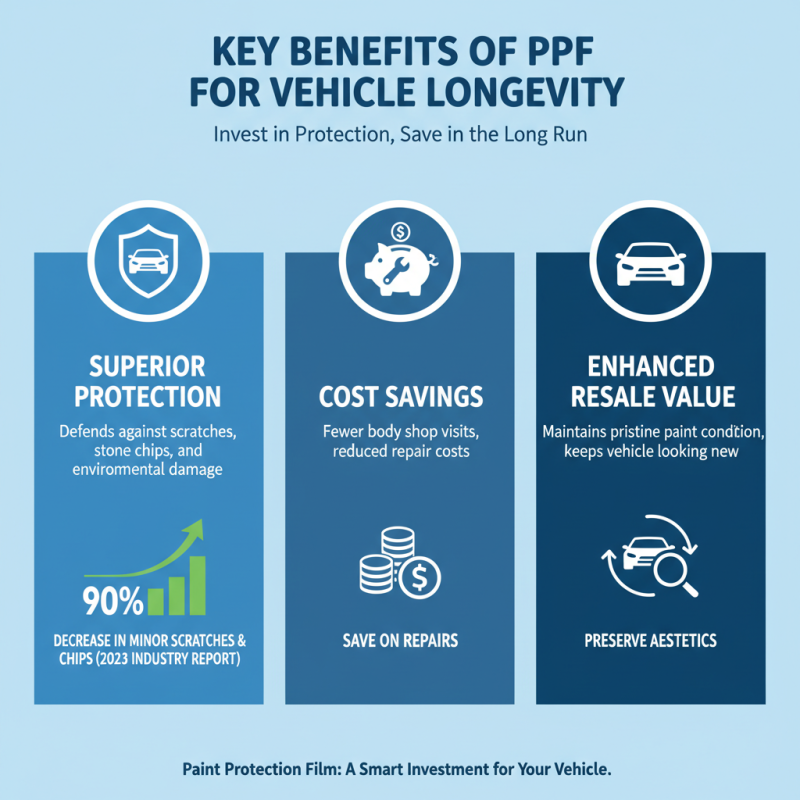
Paint protection film (PPF) is an investment that pays off over time. The longevity of your vehicle significantly improves with this protective layer. According to a 2023 industry report, cars treated with PPF demonstrated a 90% decrease in minor scratches and stone chips. This means fewer visits to the body shop and savings on repairs.
The film acts as a barrier against environmental factors. Ultraviolet rays, bird droppings, and tree sap can degrade your paint. A study by the Automotive Coatings Association found that vehicles without paint protection lose 5-10% of their resale value annually due to paint deterioration. In contrast, those with PPF maintained a higher resale value, emphasizing its long-term benefits.
Furthermore, applying PPF results in less frequent detailing. It repels dirt and grime, making maintenance easier. A survey indicated that 75% of car owners using PPF reported less time spent cleaning their vehicles. However, not all films are created equal. Choosing the wrong type can lead to bubbling or peeling, which may negate its benefits. Therefore, it's essential to research options thoroughly before applying any film.
Top Manufacturer Brands Leading the Paint Protection Film Market in 2026
In the competitive landscape of paint protection films (PPF) in 2026, several manufacturers stand out. Reports indicate that the global PPF market is expected to reach $649 million by 2026, reflecting a 15% CAGR. This growth is driven by increasing consumer interest in vehicle aesthetics and long-term maintenance.
Leading companies in this sector focus on innovation. Their films incorporate advanced technologies that enhance durability and clarity. For instance, self-healing properties are now standard, allowing minor scratches to vanish with heat exposure. However, not all products deliver on these promises. Some films wear out prematurely, raising concerns about reliability. Customers should research user reviews extensively.
In addition to durability, the ease of installation is crucial. Reports show that films with intuitive application methods tend to receive higher satisfaction ratings. However, the installation process can be messy, leading to air bubbles and improper adhesion. This aspect underscores the importance of professional installation, which can enhance the overall effectiveness of paint protection films.
Best Paint Protection Film Market Analysis 2026
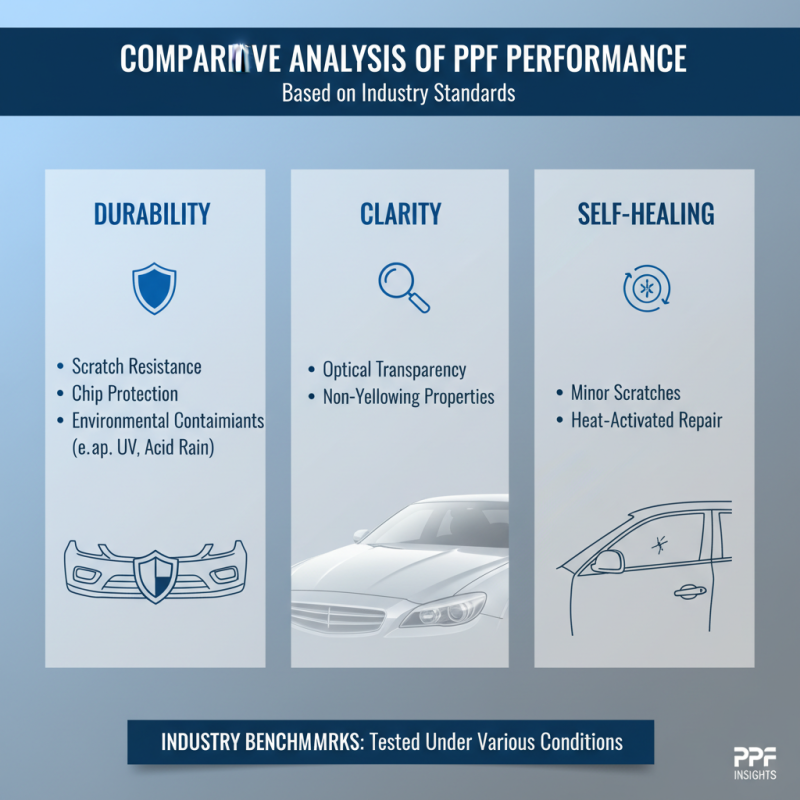
Comparative Analysis of PPF Performance Based on Industry Standards
When selecting paint protection film (PPF) for vehicles, performance is critical. The industry standards offer benchmarks for durability, clarity, and self-healing properties. PPF acts as a shield against scratches, chips, and environmental contaminants. Films are tested under various conditions. The results often reveal a mixture of effectiveness.
Durability is a major focus area. Some films resist yellowing and offer higher scratch resistance. However, not all products perform equally. In tests, some films showed quick wear after exposure to UV rays. This raises questions about longevity and cost-effectiveness. Customers often rely on expert reviews, but inconsistencies exist.
Clarity is another important factor. A high-quality film should maintain the vehicle's original appearance. Some products tend to create a noticeable texture, detracting from the vehicle's aesthetics. It's worth considering that some films may not be suitable for all paint types. Vehicle owners need to be cautious and assess feedback from users. This nuanced approach helps in making informed choices when investing in PPF.
Cost vs. Value: Evaluating the Investment in PPF for Your Vehicle
When considering paint protection film (PPF) for your vehicle, evaluating cost versus value becomes essential. PPF acts as a barrier against scratches, chips, and environmental damage. This upfront investment can save money in the long run by minimizing repair costs. Yet, the true value of PPF may not always be clear, especially for casual vehicle owners.
Many factors influence this investment. Material quality, installation expertise, and coverage area all play roles. A high-quality film may come with a steeper price tag but offer enhanced durability. Conversely, cheaper options might degrade quickly, leading to unexpected costs. Determining your needs is vital. For example, a daily driver may warrant a robust PPF, while a show car might need something lighter.
It's also worth noting that the installation process isn't flawless. Mistakes can occur, such as misalignment or bubbles trapped under the film. Relying on experienced professionals can mitigate these issues. However, finding trustworthy installers can be challenging. The balance between cost and the perceived value of protection often leads to misunderstandings. Reflecting on both short-term and long-term benefits helps clarify the decision.
Best Paint Protection Film for Your Vehicle in 2026
| Film Type |
Cost per Square Foot |
Durability (Years) |
Self-Healing |
Warranty (Years) |
UV Resistance |
| Standard PPF |
$8 |
5 |
No |
3 |
Moderate |
| Premium PPF |
$12 |
7 |
Yes |
5 |
High |
| Ceramic PPF |
$15 |
10 |
Yes |
7 |
Excellent |
| Matte PPF |
$14 |
6 |
No |
5 |
High |