What is the Best Tint Film for Your Car or Home?
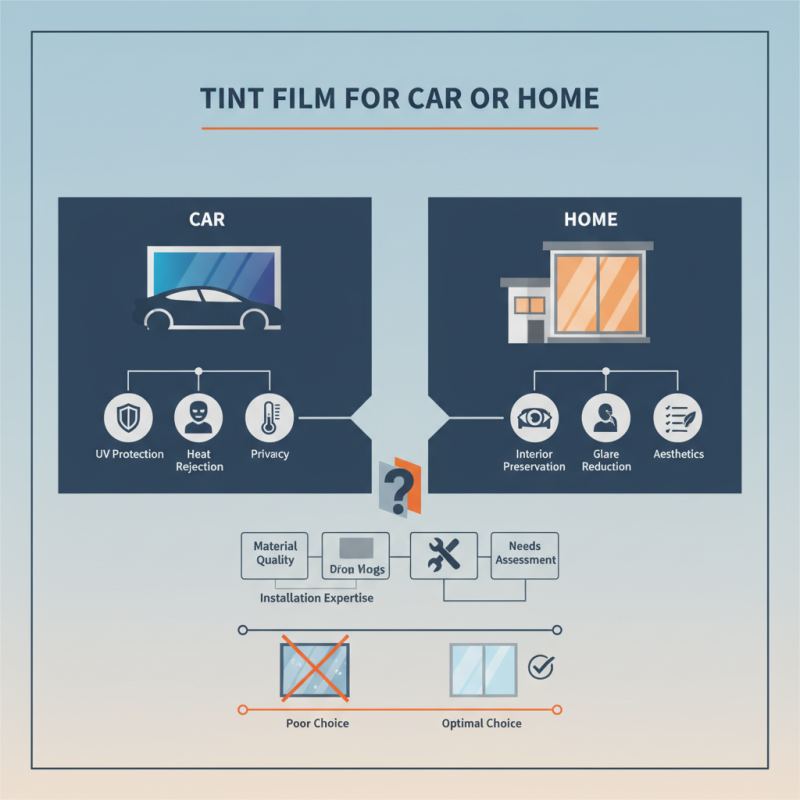
When it comes to enhancing your car or home, choosing the right tint film can make a significant difference. Tint film not only improves aesthetics but also provides essential benefits. It reduces glare, enhances privacy, and protects interiors from UV damage. However, selecting the best option can feel overwhelming.
Different films offer various levels of protection and visual appeal. Some may prioritize heat rejection, while others focus on privacy or design. It is crucial to consider these factors to make an informed decision. Not all tint films are created equal, and quality can vary considerably. Poor choices can lead to issues like bubbling or discoloration over time.
Researching reputable brands and their installation methods is essential. An expert installation can prevent problems down the line. Finding the right tint film requires careful consideration of your specific needs and preferences. Reflect on how you use your vehicle or space. This thought process will guide you in selecting the optimal film for your situation.
Understanding Window Tint Film Types for Cars and Homes
When considering window tint film for cars or homes, understanding the available types is crucial. There are primarily three categories: dyed, metalized, and ceramic films. Dyed films offer glare reduction and privacy. Their affordability makes them a popular choice. However, they tend to degrade over time and provide limited heat rejection. According to industry reports, dyed films typically block about 35% of heat.
Metalized films, on the other hand, contain tiny metallic particles. These enhance durability and improve heat rejection by up to 70%. However, they can interfere with electronic signals. Ceramic films are gaining popularity due to their advanced technology. They provide excellent UV protection and heat rejection without signal interference. Studies show that ceramic films block over 99% of harmful UV rays, thus protecting interiors from fading.
Tips:
1. Assess your needs: Consider privacy, UV protection, and heat rejection.
2. Check local regulations: Tinting laws vary by location.
3. Get professional advice: Seek insights from certified installers for optimal choices.
Choosing the right film involves weighing benefits and drawbacks. Each type serves unique needs. What works for one may not fit another's requirements. Exploring all options is wise.
Evaluating the Benefits of Different Tint Film Materials
When considering tint films, understanding the materials and their benefits is essential. Different types of tint films offer various advantages, both for cars and homes. Polyester films are popular for their durability. They resist scratches and are less likely to fade. Additionally, ceramic films are known for their heat rejection capabilities. According to the International Window Film Association (IWFA), ceramic films can block up to 99% of harmful UV rays. This is crucial for protecting skin and interior furnishings.
However, not all tint films are created equal. Some cheaper options may not provide adequate UV protection. They can also affect visibility and aesthetics. A study found that over 30% of consumers were dissatisfied with low-quality tint films. This dissatisfaction often stems from poor installation or unattractive bubbling and discoloration over time.
Moreover, understanding local regulations is key. Some regions have strict rules about tint darkness and reflective properties. A violation can lead to fines and removal costs. Awareness of these factors helps consumers make informed decisions. Investing time in researching materials can lead to better outcomes and more satisfaction. Choices made today can impact comfort and protection for years to come.
Factors to Consider When Choosing Tint Film for Your Vehicle
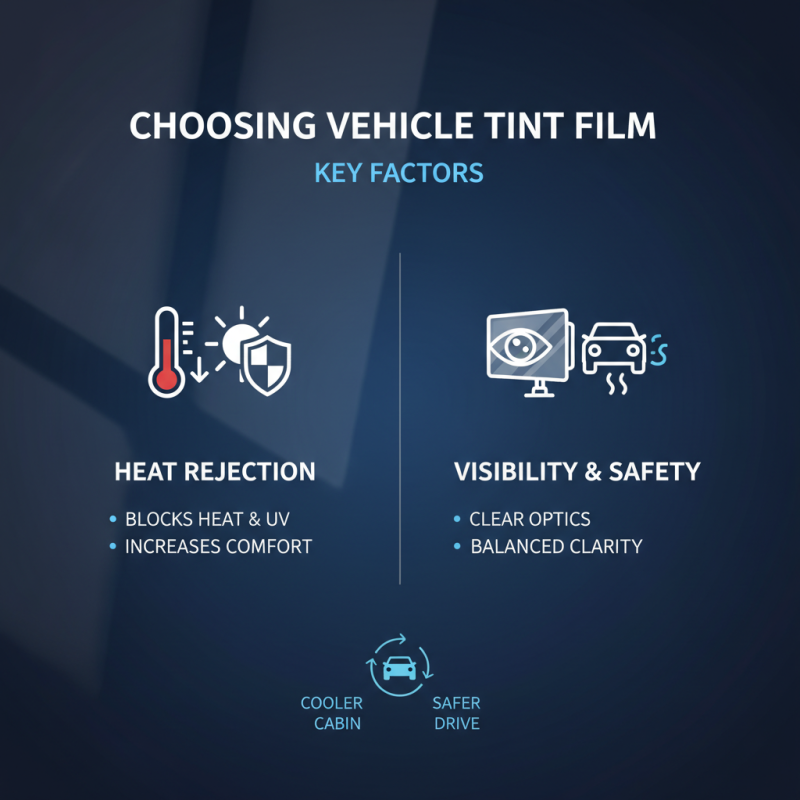
Choosing the right tint film for your vehicle involves several key factors. First, consider the level of heat rejection. Quality films can block significant heat and UV rays, providing comfort. Look for films that offer a high level of heat rejection while maintaining visibility. This balance will ensure a cooler cabin without compromising safety.
Another important aspect is the film's durability. Thickness significantly influences its longevity. Thicker films are generally more resistant to scratches and fading. This aspect is critical if you drive in harsh weather conditions. A good film should not only look appealing but also withstand daily wear and tear. Reflect on the driving environment and lifetime expectations for the film.
Lastly, aesthetics play a role too. You may prefer a darker look, or perhaps a more subtle shade. The film’s appearance can influence your vehicle's overall style. However, ensuring that it meets local regulations should be a priority. Not all choices may comply with legal guidelines, which can lead to complications. Take time to research and consult professionals to clarify these details. Selecting the right tint film requires careful judgment and awareness of personal needs.
Key Regulations and Legal Compliance for Window Tinting
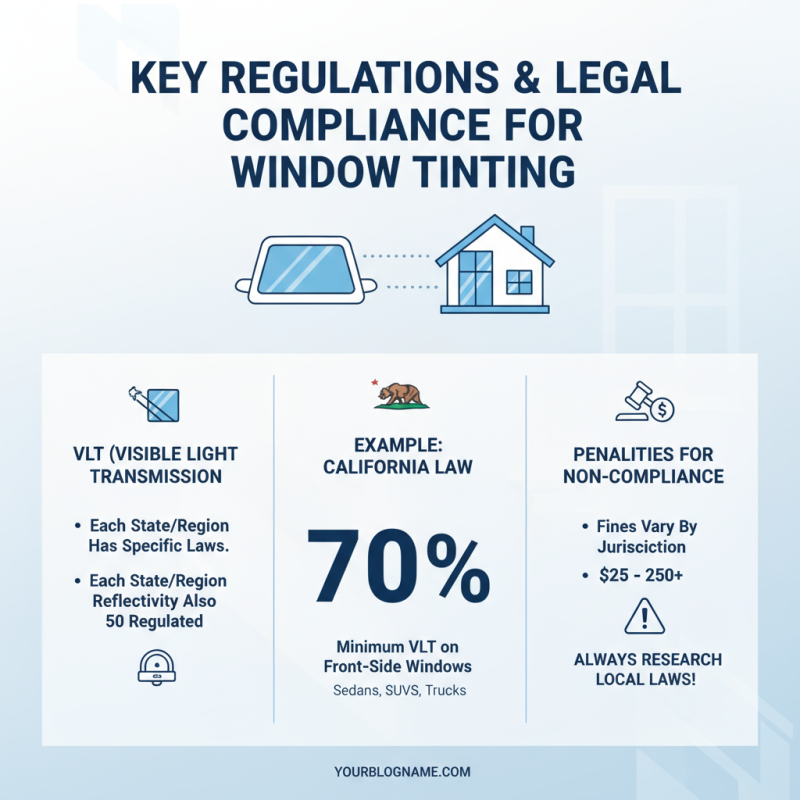
When considering window tinting for vehicles or homes, one must pay attention to regulations. Each state or region has specific laws governing visible light transmission (VLT) and reflectivity. For example, research indicates that states like California permit a minimum of 70% VLT on front side windows. Non-compliance can result in fines, which can range from $25 to $250, depending on the jurisdiction.
Different states impose various restrictions on how dark tints can be. Some allow complete privacy with no restrictions on rear windows. However, these hard-to-navigate rules are crucial for both aesthetic and legal reasons. Recent industry reports suggest that about 60% of consumers are unaware of these legalities before application, leading to potential legal issues.
Professional installers emphasize staying informed about local regulations before committing to tint films. While some may opt for darker tints for aesthetic appeal, the risk of violations may outweigh the benefits. Finding a balance between personal preference and compliance creates trust and reliability in the service. Always consult a professional knowledgeable in local laws to avoid disappointing setbacks.
Comparing Top Brands of Tint Film for Performance and Durability
Choosing the right tint film for your car or home requires careful consideration of performance and durability. Not all films are created equal. Some films offer superior heat rejection, while others focus on UV protection. You need to think about your specific needs. Do you live in a sunny area? Do you want privacy? These factors will guide your choice.
When comparing top brands, look at the material and technology used. Some films utilize advanced polymer technology to enhance longevity. Others may not perform as well in extreme weather. Durability also relates to scratch resistance and adhesive quality. A film that peels or bubbles is not a good investment.
Evaluating warranty options can provide insights into durability. A longer warranty often signals confidence in the product. However, warranties can be misleading—it's crucial to read the fine print. Reflect on your priorities and be prepared to spend a bit more for better quality. This decision can have a lasting impact on your comfort and safety.
What is the Best Tint Film for Your Car or Home? - Comparing Top Brands of Tint Film for Performance and Durability
| Film Type |
UV Blockage (%) |
Heat Rejection (%) |
Visible Light Transmission (%) |
Warranty (Years) |
| Dyed |
99% |
35% |
50% |
5 |
| Metalized |
99% |
50% |
40% |
8 |
| Ceramic |
99% |
60% |
70% |
10 |
| Carbon |
99% |
45% |
50% |
8 |
| Hybrid |
99% |
55% |
60% |
9 |