Top 10 Paint Film Types Used in China for Various Applications?
In recent years, the use of Paint Film in various applications has surged in China. According to a report by ResearchAndMarkets, the Chinese paint film market is expected to grow at a CAGR of 5.4% from 2023 to 2028. This growth reflects a diversification of applications, from automotive coatings to architectural finishes.
Currently, several types of paint films dominate the market. Polyurethane and epoxy films are leading choices due to their durability and adhesive properties. However, while these materials excel in many ways, issues such as environmental impact and cost efficiency remain concerns. Many manufacturers are now exploring eco-friendly alternatives to meet regulatory demands and consumer preferences.
Understanding the landscape of paint films is essential for various sectors. Different industries require specific performance characteristics. These needs can sometimes lead to compromises. Selecting the right paint film is crucial, balancing durability, aesthetics, and sustainability. A careful analysis of the top types of paint films provides insights into their unique strengths and weaknesses.
Types of Paint Films Commonly Used in China's Construction Industry
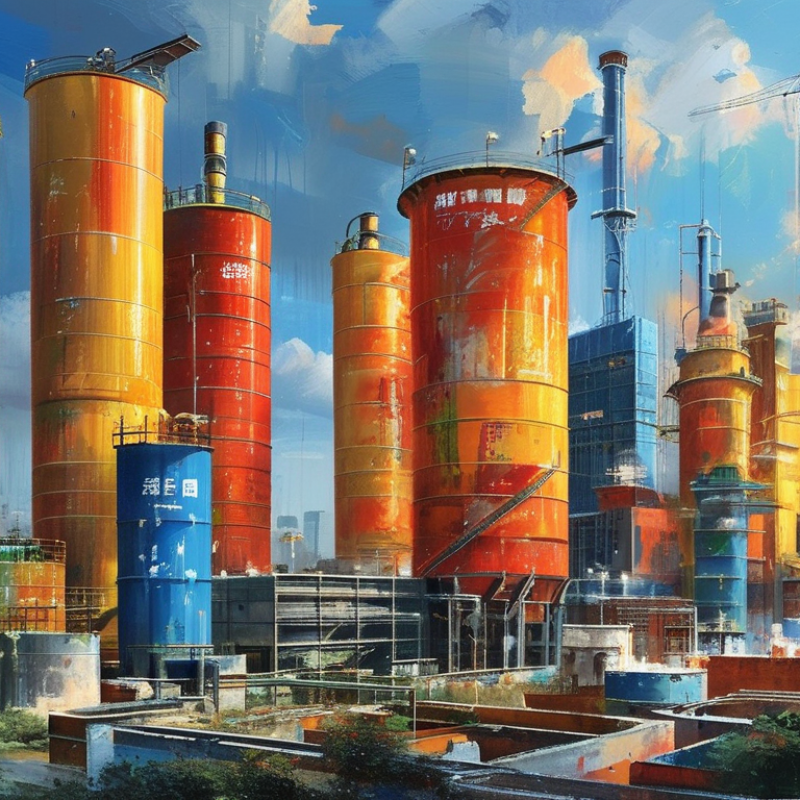
In China's construction industry, a range of paint film types is commonly used. These films play an essential role in enhancing durability and aesthetics. Epoxy coatings are popular for their chemical resistance. They are often applied in industrial settings and to protect surfaces from harsh conditions. Another common type is polyurethane, known for its excellent weather resistance. This makes it suitable for outdoor applications where longevity is critical.
Acrylic paints are also widely used in buildings. They offer a quick-drying solution with good adhesion properties. Additionally, they are safe and environmentally friendly, aligning with modern standards. However, while acrylics provide various benefits, they may not hold up as well as other films in extreme conditions.
Some construction projects utilize alkyd paints, valued for their glossy finish. They are favored for decorative purposes but can take time to dry. Contractors sometimes find that striking the right balance between aesthetics and functionality can be challenging. Moreover, water-based paints are chosen for their low volatile organic compounds (VOCs), promoting healthier work environments. Yet, their longevity may raise concerns among builders. Each type of paint film has its strengths and weaknesses, emphasizing the need for careful selection based on specific project requirements.
Applications of Paint Films in Automotive Manufacturing in China
In China, paint films play a crucial role in automotive manufacturing. They provide essential protection and aesthetic appeal to vehicles. Automotive paint films are currently diverse, meeting various demands such as durability, gloss, and resistance to weathering. A significant challenge remains in ensuring that these films can withstand the test of time without degrading.
Paint films serve multiple functions in vehicles. They protect surfaces from scratches, UV exposure, and chemical damage. Often, manufacturers seek films that offer easy application and maintenance. However, quality can vary. Some films may peel or fade quicker than expected, leading to dissatisfaction among consumers. Reliability is a common concern, especially as the market continues to evolve.
While the industry has made strides, there’s still room for improvement. Innovations in material science could enhance performance and sustainability. More transparency in film quality will foster trust. Engaging feedback from the automotive community can identify gaps. Encouragingly, experts believe collaboration may lead to better solutions in the future.
Top 10 Paint Film Types Used in China for Various Applications
| Film Type |
Material |
Application Area |
Key Properties |
Advantages |
| Polyurethane Film |
Polyurethane |
Automotive Coatings |
High durability, Chemical resistance |
Excellent gloss retention |
| Acrylic Film |
Acrylic |
Interior Surfaces |
Transparency, UV resistance |
Good weathering properties |
| Epoxy Film |
Epoxy Resin |
Chassis Protection |
High adhesion, Chemical resistance |
Strong protective layer |
| Vinyl Film |
Polyvinyl Chloride |
Graphics and Signage |
Flexibility, Durability |
Versatile application |
| Nylon Film |
Nylon |
Interior Components |
Strength, Flexibility |
Resistant to abrasion |
| Silicone Film |
Silicone Polymer |
High Temperature Areas |
High temperature resistance, Flexibility |
Stable under extreme conditions |
| Polyester Film |
Polyester |
Protective Coatings |
Chemical resistance, Dimensional stability |
Lightweight yet strong |
| Fluoropolymer Film |
Fluoropolymer |
Exterior Hallmark Coatings |
Weathering, Stain resistance |
Long-lasting aesthetic |
| Thermoplastic Film |
Thermoplastic Polymer |
Automotive Interiors |
Processability, Recyclability |
Environmentally friendly options |
| Conductive Film |
Conductive Polymers |
Electronics in Automobiles |
Electrical conductivity |
Improves electronic performance |
Advancements in Eco-Friendly Paint Film Technologies in China
Advancements in eco-friendly paint film technologies are transforming the coatings market in China. With increasing environmental regulations, industries are shifting towards sustainable solutions. According to recent reports, the eco-friendly paint film market in China is projected to grow at a CAGR of 8% through 2025. This is driven by heightened awareness of environmental issues and the need for safer alternatives.
Water-based paint films are gaining traction due to their low volatile organic compounds (VOCs). These films enhance air quality and reduce health hazards. Enhanced durability and improved adhesion make them suitable for various applications. Recent developments also focus on bio-based raw materials, further reducing environmental impact. Innovations include plant-based polymers, which are both effective and sustainable.
Tips: Consider adding eco-friendly additives to traditional paint films to enhance their performance. Evaluate the local climate conditions, as they can influence paint film longevity. Engaging with suppliers who prioritize sustainability can also ensure that you choose the most effective materials. Remember, while pursuing eco-friendly options, the performance of the paint film must not be compromised.
Top 10 Paint Film Types Used in China for Various Applications
Comparative Analysis of Durability Among Paint Film Types in China
In China, different paint film types offer various levels of durability. The effectiveness of paint films can vary significantly based on their formulation. For instance, polyurethane coatings are renowned for their excellent resistance to abrasion and moisture. Meanwhile, epoxy resins provide a strong adhesive quality, making them ideal for industrial applications.
However, it’s essential to recognize that not all paint films maintain their integrity over time. Some options may show signs of wear or fading under harsh environmental conditions. In coastal areas, salt spray can deteriorate some paint films faster than expected. Users often overlook these factors, thinking all coatings will perform equally.
A comparative analysis reveals that while some films like polyurethanes excel in durability, they may lack flexibility. Conversely, acrylic coatings, although less durable, offer superior UV resistance. This trade-off necessitates careful consideration when selecting the appropriate paint film type for specific applications. Users should conduct thorough research and consult professionals to align their needs with the best options available.
Factors Influencing the Choice of Paint Film in Industrial Settings in China
When selecting paint films in industrial settings in China, several factors play a crucial role. For instance, the environmental conditions, such as humidity and temperature, significantly impact the choice of paint. A report by the China Coatings Industry Association indicates that nearly 70% of industrial users consider weather resistance as a key factor. This ensures durability and performance over time.
Application types also influence decisions. For high-performance needs, industries prefer polyurethane or epoxy paints, known for their resilience. According to market research, these options are favored in sectors like automotive and aerospace, where safety is paramount. In contrast, for general manufacturing, less costly choices like acrylic or alkyd paints are more common.
Furthermore, regulatory standards cannot be overlooked. Environmental regulations are becoming stricter. Compliance with these regulations can dictate the type of materials used. Research suggests that around 55% of companies are now prioritizing eco-friendly solutions, balancing performance with sustainability. This shift reflects a growing awareness of environmental impact within the industry.