Top 10 Benefits of Using Tint Film for Your Vehicle?
When it comes to enhancing your vehicle, using tint film is a popular choice. This protective layer offers various benefits that many car owners may overlook. Tint film is not just about aesthetics; it serves practical purposes that can improve your driving experience.
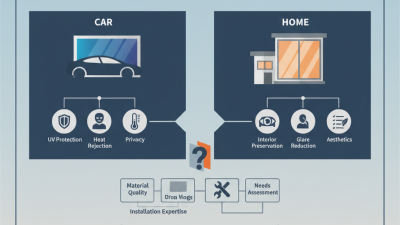
One major advantage is heat reduction. Tint film helps keep your car cooler on hot days. It blocks harmful UV rays, protecting both you and your vehicle's interior. Additionally, it can increase privacy and security, making it harder for outsiders to see inside your vehicle. Many drivers may notice improved comfort during long trips due to reduced glare.
However, it’s essential to consider the quality of the tint film you choose. Not all films are created equal. Some might fade, bubble, or peel over time. Researching reputable brands ensures that you get a product that stands the test of time. Also, improper installation can lead to uneven applications and dissatisfaction. So, take your time in making informed decisions.
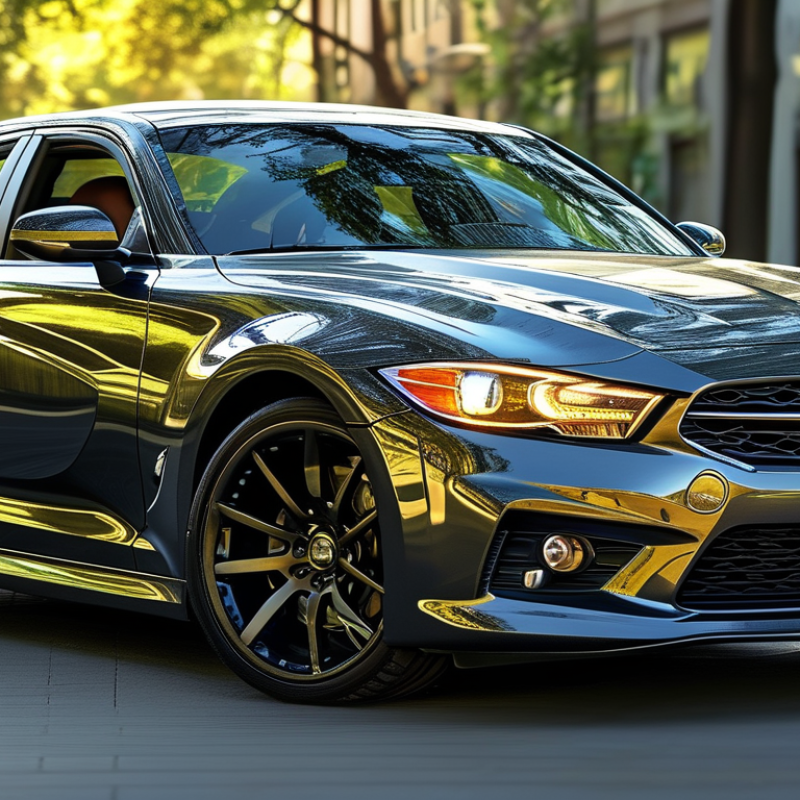
Benefits of UV Protection from Tint Film for Your Vehicle
Tint film is becoming a popular choice for vehicle owners looking to enhance their ride. One of the main advantages is UV protection. UV rays can cause skin damage and accelerate the fading of your vehicle's interior. With a good tint film, you can block up to 99% of harmful UV rays. This feature adds a layer of safety for passengers while preserving the aesthetic quality of the vehicle.
In addition to protecting the interior, tint film also helps with temperature control. A well-tinted vehicle can stay significantly cooler on hot days. This means less reliance on air conditioning, saving fuel and energy. However, it’s essential to remember that not all tint films are created equally. Some may offer high UV protection but lack heat resistance. Conducting thorough research is crucial to ensure you get the right type of tint.
Choosing the right tint film requires careful consideration. Read reviews and consult professionals to understand the best options. Remember that improper installation can lead to bubbling and peeling. This can negate the benefits you aim to achieve. Investing in quality materials and skilled labor can greatly enhance your vehicle's comfort and longevity.
Top 10 Benefits of Using Tint Film for Your Vehicle
| Benefit |
Description |
Impact on Vehicle |
| UV Protection |
Blocks up to 99% of harmful UV rays. |
Reduces skin cancer risk and prevents interior fading. |
| Heat Reduction |
Keeps the car interior cooler. |
Increases comfort and reduces AC use. |
| Glare Reduction |
Minimizes glare from sunlight and headlights. |
Improves driving safety and visibility. |
| Privacy |
Provides increased privacy for passengers and belongings. |
Deters theft and enhances security. |
| Style |
Enhances the aesthetic appearance of the vehicle. |
Increases vehicle value and personal expression. |
| Safety |
Holds shattered glass together in case of an accident. |
Enhances passenger safety during collisions. |
| Reduced Energy Costs |
Less reliance on AC and heating systems. |
Lower fuel consumption and emissions. |
| Increased Comfort |
Provides a more comfortable driving experience. |
Reduced heat stress on passengers. |
| Durability |
High-quality films resist scratches and fading. |
Long-lasting appearance and performance. |
| Overall Value |
Increases vehicle longevity and resale value. |
Cost-effective for long-term investment. |
Enhancing Privacy and Security with Vehicle Tint Film
Vehicle tint film offers a range of benefits, especially when it comes to privacy and security. When installed properly, it creates a barrier that protects the interior from prying eyes. Whether parked or in motion, tinted windows can deter potential thieves. They make it more difficult to see valuables left inside. A simple glance can tell a thief if your car is worth breaking into.
Moreover, tint film holds another layer of security. It can help keep shattered glass intact during an accident. This film reduces the chance of injuries from flying glass shards. While some people worry about the aesthetic or legality of installing tint, the safety benefits deserve attention. It is crucial to choose a reputable installer to ensure quality and compliance with local laws. Without adequate research, the wrong choice can lead to issues down the road, like peeling film or legality problems.
Enhanced privacy also means that passengers can feel more secure. For families, this can be invaluable. Children are less likely to be bothered by external distractions. While enjoying the drive, they can feel shielded from outside perceptions. It creates a calmer atmosphere inside the vehicle. Just like any investment in a vehicle, it’s essential to weigh the pros and cons carefully before deciding on tint film installation.
Reducing Heat and Improving Comfort in Your Vehicle
Reducing heat inside your vehicle is crucial, especially during hot summer months. Tint film can effectively reduce solar heat gain. This means your car remains cooler, allowing a more comfortable ride. Drivers often notice a significant difference in temperature. A cooler environment can enhance focus and reduce fatigue on long drives.
Improving comfort goes beyond just temperature control. Reduced glare from the sun makes driving safer. Tint film also protects your interior from UV damage. It prevents upholstery from fading over time and keeps surfaces from cracking. Many people value comfort as a driving essential, yet they may overlook how small changes can have a big impact.
While the benefits are clear, some may worry about visibility. It’s important to choose the right tint shade. Laws vary by location regarding the legality of window tint levels. Ensure compliance with local regulations to avoid fines. The choice of tint film should balance aesthetics with functionality. Making informed decisions leads to a more satisfying driving experience.
Improving Aesthetic Appeal with Automotive Tinting
Automotive tinting is an excellent way to enhance a vehicle's aesthetic appeal. A well-applied tint film can add a sleek and sophisticated look to any car. Research shows that vehicles with tinted windows can have a more polished appearance, often turning heads on the road. According to a study by the International Window Film Association, over 70% of car owners believe that window tinting improves their vehicle's overall style.
Beyond aesthetics, window tinting also serves practical purposes. It can shield the interior from harmful UV rays, protecting upholstery and dashboard components. This protection helps maintain the vehicle's appearance over time, reducing wear and tear. Furthermore, good-quality tinting can help manage heat inside the vehicle, making ride comfort more enjoyable. Yet, improper installation can lead to bubbles or peeling, detracting from both appearance and effectiveness.
Many people appreciate the privacy tinting offers. Tinted windows can keep belongings out of sight, making vehicles less attractive to thieves. However, it's crucial to strike a balance between privacy and visibility for safety. Overly dark tints can create blind spots, posing risks when driving. These details highlight the fine line between style and functionality in automotive tinting.
Minimizing Glare and Enhancing Visibility for Safer Driving
Tint films serve a crucial purpose in improving visibility while driving. By minimizing glare from sunlight and headlights, they create a safer driving environment. A study from the International Institute of Highway Safety shows that glare contributes to about 30% of all vehicle accidents, especially during sunrise and sunset. This statistic underscores the importance of reducing glare effectively.
Additionally, tinted windows can enhance clarity during adverse weather conditions. When driving in bright sunlight, eye strain increases. The World Health Organization highlights that chronic eye strain can lead to long-term vision problems. Tinted films filter out excess light, which can help in improving overall visibility.
Moreover, a survey from the National Highway Traffic Safety Administration indicates that drivers with tinted windows report fewer incidents of distraction. Reduced glare leads to quicker reaction times. This factor is crucial when navigating busy roads or unexpected obstacles. Yet, it is essential to choose the right level of tint. Overly dark films can impair visibility in low-light conditions. Thus, finding the right balance is key to achieving both glare reduction and safe driving practices.