Essential Tips for Choosing Paint Protection Film for Your Vehicle?
Choosing the right paint protection film is vital for car enthusiasts. As Jim Collins, a recognized expert in automotive detailing, states, “A good paint protection film can save you thousands in repairs.” This underscores the importance of making an informed choice.
When selecting a paint protection film, consider durability and clarity. High-quality films withstand everyday wear and tear. They resist scratches and offer UV protection. However, not all films are created equal. Cheaper options may yellow or peel over time. You want a film that complements your vehicle’s aesthetic, not detracts from it.
Be aware of installation factors. Even the best paint protection film can falter if poorly installed. Seek professional help for application. Often, you’ll find mixed reviews on DIY installations. This highlights the balance between cost and quality. Investing in expert installation pays off in the long run. Remember, the right paint protection film is essential for preserving your vehicle’s appearance and value.
Understanding Paint Protection Film (PPF): A Comprehensive Overview
Paint Protection Film (PPF) is an essential addition to any vehicle. It acts as a barrier against scratches, chips, and environmental damage. When considering PPF, it's crucial to comprehend its composition and durability. The film is typically made from thermoplastic urethane, which offers excellent flexibility. Depending on the thickness, the level of protection can vary.
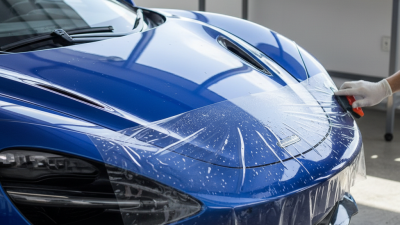
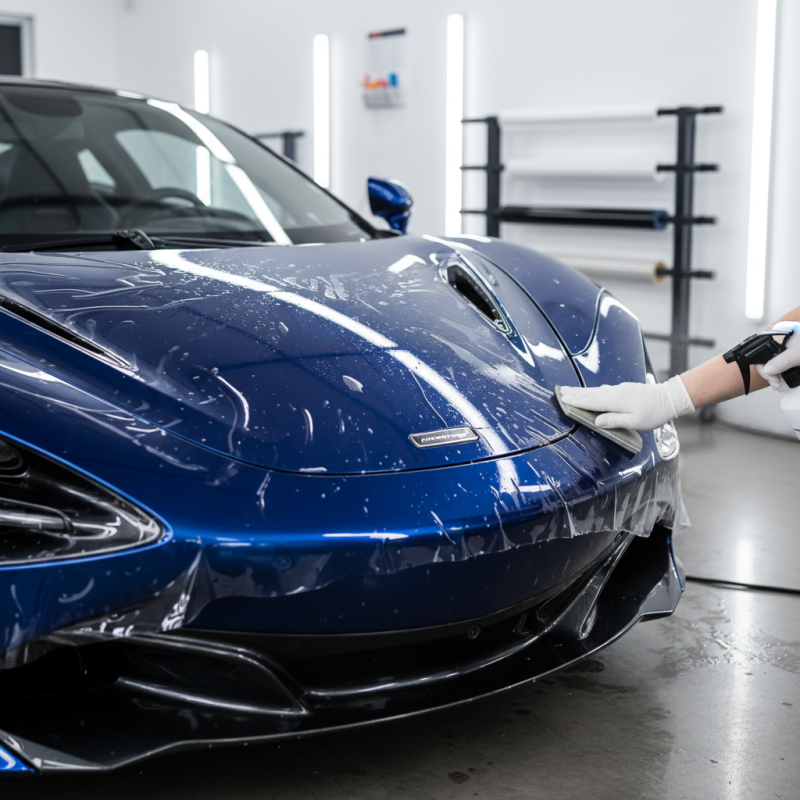
Installation methods play a vital role in the effectiveness of PPF. A professional application can ensure that the film adheres properly and looks seamless. Even minor imperfections during installation may affect the film's longevity. It's necessary to evaluate the surface of the vehicle before applying the film. Any dirt or debris can create bubbles and lead to peeling over time.
Understanding the maintenance of PPF is also key. While it’s designed to be resilient, regular cleaning is important. Harsh chemicals can damage the film, so using gentle, pH-balanced soaps is advised. Some may find it frustrating to maintain the pristine look of PPF. Over time, the film can yellow or fade if exposed to prolonged sunlight. Acknowledging these factors helps in making an informed decision about PPF for your vehicle.
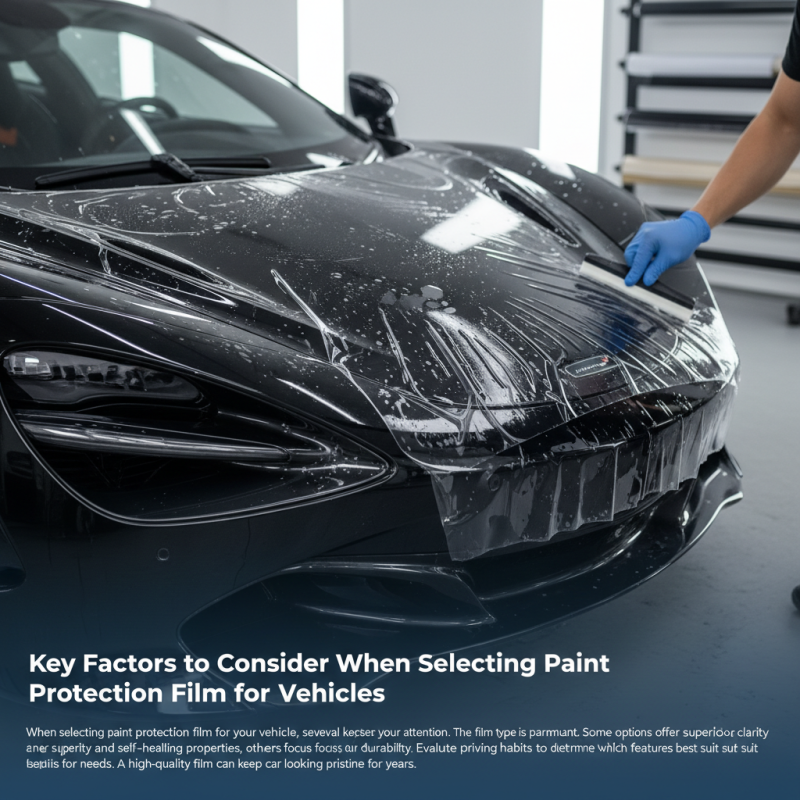
Key Factors to Consider When Selecting Paint Protection Film for Vehicles
When selecting paint protection film for your vehicle, several key factors deserve your attention. The film type is paramount. Some options offer superior clarity and self-healing properties, while others focus on durability. Evaluate your driving habits to determine which features align best with your needs. A high-quality film can keep your car looking pristine for years.
Consider the film's thickness as well. Thicker films provide enhanced protection but can be less flexible in application. A balance between thickness and flexibility is essential. Even slight imperfections in the application can lead to bubbles or peeling.
Cost is another critical aspect. While premium films may demand a higher investment, they often boast better longevity and effectiveness. It's worth researching the return on investment over time. Not all films are created equal; sometimes, a lower price can mean compromised performance.
Finally, seeking professional installation is advisable. Experience matters when applying paint protection film. A skilled installer will ensure optimal performance and longevity of the product. Remember, the best film in the world won’t perform well if poorly applied. Reflect on these details as you make your decision.
Comparative Analysis of PPF Types: Thickness, Durability, and Gloss Levels
When selecting paint protection film (PPF) for your vehicle, thickness, durability, and gloss levels are crucial variables. Thickness directly influences protection. A thicker film may offer superior resistance against chips and scratches. However, this can impact flexibility. Thinner films tend to conform better to curves but may sacrifice some protective qualities.
Durability varies significantly between PPF types. Some films boast a self-healing feature, which helps to minimize minor surface blemishes. This can be particularly beneficial for high-impact areas of the vehicle. On the other hand, not all films offer the same lifespan. Expect varying warranties, with some extending up to ten years, while others may only last a few.
Gloss levels are another important factor. A high-gloss finish can enhance a vehicle’s appearance, making colors pop. Conversely, matte options provide a unique aesthetic but can show blemishes more easily. It’s worth reflecting on your personal preference. Consider how often you detail your vehicle and the level of maintenance you’re willing to provide. Each choice has trade-offs, and the best option will depend on your specific needs.
Comparative Analysis of Paint Protection Film (PPF) Types
Installation Methods and Professional Services: Ensuring Optimal Results
When it comes to installing paint protection film (PPF) on your vehicle, the method of application is crucial. There are two primary installation approaches: DIY and professional services. DIY kits can save money, but they often lead to uneven application. According to industry studies, nearly 70% of DIY installations fail to provide adequate adhesion, which may compromise the film's longevity and your vehicle's appearance. Misalignment or air bubbles can be common pitfalls.
Professional installers, on the other hand, bring expertise and refined techniques. They typically undergo specialized training and use high-quality tools to ensure a precise fit. It's reported that professional installations can extend the lifespan of PPF by up to 30%. Certified technicians also offer warranties that cover potential defects. When opting for professional services, thorough research is essential. Check reviews and ask about their installation processes.
Despite the advantages of professional installation, challenges remain. Not every shop may deliver the level of quality you expect. Delays in scheduling could also lead to missed opportunities. Therefore, having a clear understanding of what to expect can help manage these situations better. Through careful consideration, you can achieve optimal results and protect your investment effectively.
Cost-Benefit Analysis of Paint Protection Film vs. Traditional Waxing and Polishing
When considering paint protection options for your vehicle, it's essential to weigh the cost-benefit factors between paint protection film and traditional waxing and polishing. Paint protection film offers a level of durability that waxing simply cannot match. For instance, a high-quality film can shield your car from scratches, UV rays, and environmental contaminants, preserving its finish over time. The initial investment might be higher, but think of the long-term savings.
On the other hand, traditional waxing requires regular reapplication. This adds to the ongoing maintenance cost. Wax can enhance shine but may not provide durability against chips and dings. Many car owners find themselves disappointed, needing wax recycles more often than anticipated. In the case of paint protection film, you could potentially save on frequent detailing services. However, the quality of the installation matters greatly—DIY approaches can leave bubbles or misalignments, affecting aesthetics.
Understanding these differences is crucial. If you're looking for long-lasting protection, the film might be a better investment. Evaluate your driving conditions and personal preferences. Not every solution fits every vehicle or owner. Each option carries its own set of pros and cons needing careful consideration.
Essential Tips for Choosing Paint Protection Film for Your Vehicle
| Dimension |
Paint Protection Film |
Traditional Waxing/Polishing |
| Durability |
5-10 years |
3-6 months |
| Cost |
$500 - $2,000 (for full vehicle) |
$100 - $300 (for full vehicle) |
| Protection Level |
High (against scratches, rocks, UV) |
Moderate (primarily against UV) |
| Installation Complexity |
Professional installation recommended |
Do-it-yourself option available |
| Maintenance |
Low (wash with soap and water) |
Moderate (regular waxing needed) |
| Aesthetic Impact |
Invisible or custom finishes available |
Glossy finish, can enhance shine |
| Value Retention |
High (can enhance resale value) |
Moderate (protection wears off) |
|