Essential Tips for Choosing Photochromic Film for Your Needs?
When considering the best options for photochromic film, expert insights can significantly guide your decision. Dr. Emily Carter, a renowned specialist in optical materials, emphasizes, "Choosing the right photochromic film can enhance comfort and vision." This highlights the importance of selecting a film that suits your specific needs.
Photochromic films respond to light changes, darkening in sunlight and becoming clear indoors. Understanding their features is crucial. For instance, the speed at which a film transitions can impact user experience. Some films react quickly, while others may take longer. It's essential to know what will work best for your lifestyle.
Moreover, examining the durability and scratch resistance of photochromic films is vital. High-quality films should withstand everyday wear and tear. Pay attention to warranties—these can indicate reliability. Remember, your choice can affect not just your vision, but also your overall comfort. It’s worth considering all these factors before making a selection.
Understanding Photochromic Film: Definition and Functionality
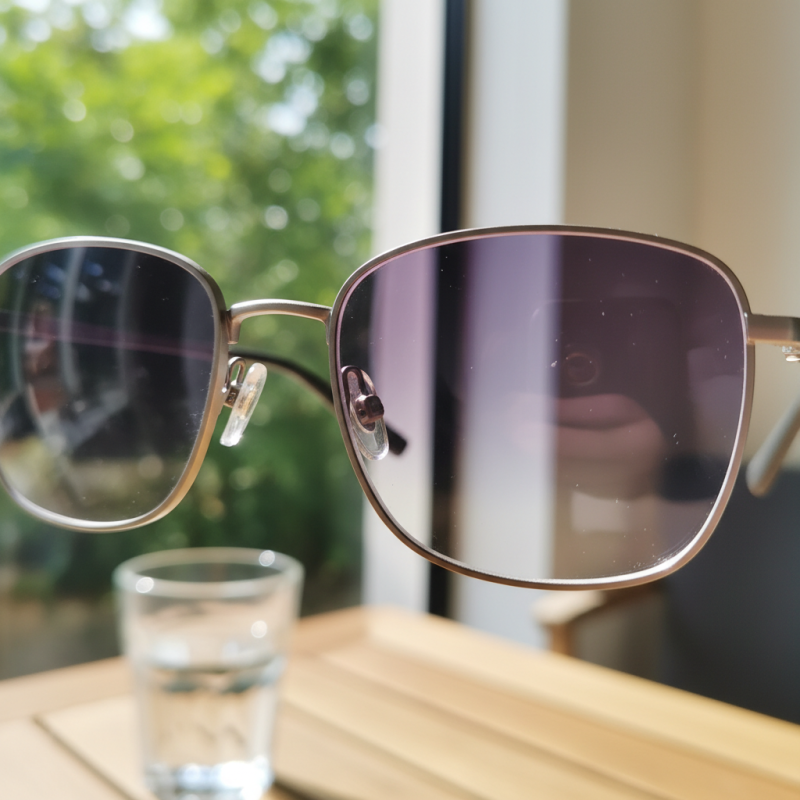
Photochromic film represents an innovative solution in the optics industry. This film changes tint based on UV exposure. When exposed to sunlight, the film darkens, providing essential protection for the eyes. According to a study by the National Institute of Health, nearly 50% of people prioritize eye protection. Wearing photochromic lenses can significantly reduce UV effects.
Understanding these films is critical. Material composition plays a vital role in performance. Many photochromic films use organic compounds that react to light. A report from the Journal of Optical Materials shows that these compounds can last over 20,000 cycles of UV exposure. However, not all films perform equally well. Quality and durability can vary, leading to potential frustrations for users.
Moreover, environmental factors such as temperature can influence functionality. Some films might darken slower in cooler conditions. Research indicates that these variations can affect user satisfaction. Consider these details when selecting photochromic films. They may seem minor, but they impact your overall experience and comfort.
Key Factors Affecting Performance of Photochromic Films
When selecting photochromic films, several key factors determine their performance. Light transmittance is crucial. This refers to how much light the film allows to pass through. Reports indicate that high-quality films can reach 85% transmittance. It directly impacts visibility and comfort. Low transmittance levels can lead to dim visibility in low-light conditions.
Response time is another important aspect. This is how quickly the film reacts to UV exposure. Some films darken in seconds, while others take minutes. A swift response ensures effective protection against UV rays. Studies suggest that films with a faster response time can reduce eye strain significantly. Additionally, durability plays a vital role. Films exposed to sun and temperature fluctuations can degrade. Research shows that films losing clarity after a year of use can hinder performance.
Lastly, temperature sensitivity is often overlooked. Some films become less effective in extreme temperatures. They may not transition properly, which can result in inadequate protection. Opting for films that maintain performance across a range of temperatures is advisable. Understanding these details can help you choose the right photochromic film that meets your needs without compromising on quality.
Evaluating UV Protection Ratings in Photochromic Lenses
When selecting photochromic lenses, UV protection is crucial. Look for lenses with high UV protection ratings. According to the American Academy of Ophthalmology, good lenses should block 99% to 100% of UVA and UVB rays. These rays can cause serious harm to your eyes and increase the risk of conditions like cataracts.
Not all photochromic films provide the same level of UV protection. A study published in the Journal of Photochemistry highlighted that some inexpensive options performed poorly. They only blocked around 60-70% of UV rays. This level of protection may not be sufficient for daily use, especially for individuals exposed to intense sunlight.
Consider your lifestyle before making a choice. If you spend long hours outdoors, stronger UV protection is essential. Also, reflect on the lens' reaction time to sunlight. Some lenses can take longer to darken or clear, which may affect your comfort. Proper evaluation of these factors will ensure you choose the right photochromic film suited for your needs.
Recommendations for Selecting Photochromic Films for Specific Activities
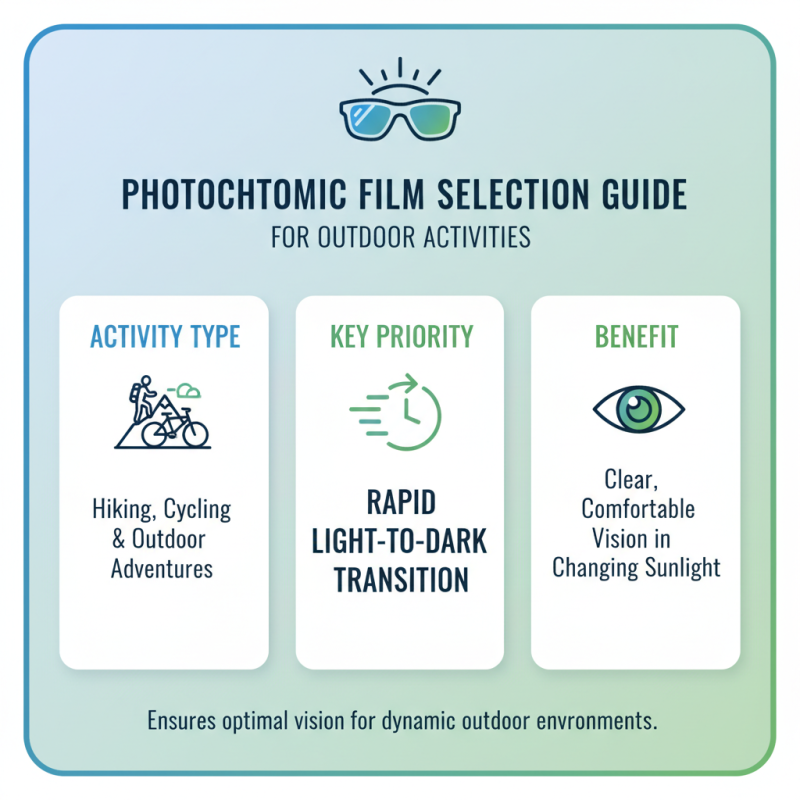
When selecting photochromic films, consider the specific activities you'll engage in. If you're an outdoor enthusiast, prioritizing quick transitions from light to dark is essential. For activities like hiking or cycling, look for films that respond rapidly to changing sunlight. This ensures your vision remains clear and comfortable during outdoor adventures.
For those into sports, durability matters. Choose photochromic films designed to withstand impacts and scratches. Some lenses may fog or take time to adjust under varying temperatures. Pay attention to these aspects to avoid potential distractions during critical moments. Ultimately, understanding your activity’s demands is crucial before making a decision.
Lifestyle factors also play a role in your choice. If you spend most of your day indoors, consider how often you'll need the film to activate. Some films may not darken enough in low light. Additionally, evaluate how the tint color enhances contrast for specific tasks, like driving or playing sports. A thoughtful selection can enhance not only vision but also overall enjoyment of your activities.