Top Tips for Choosing the Right Reflective Tint for Your Needs
Choosing the right reflective tint can enhance your space significantly. Reflective tints serve various purposes, from reducing glare to improving energy efficiency. According to a report by the Glass Association, reflective window films can reduce solar heat gain by over 70%. This not only helps maintain comfortable indoor temperatures but also lowers energy bills.
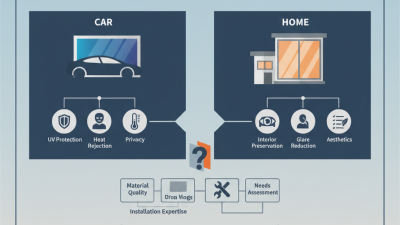
Consider your specific needs when selecting a reflective tint. Each tint has unique properties that contribute to its effectiveness. For instance, some films offer higher UV protection, while others focus on aesthetic appeal. If you're unsure, consulting with professionals can provide valuable insights. However, the wide variety of options can feel overwhelming.
Many consumers overlook the importance of quality. Cheap reflective tints may fade quickly or not adhere properly, leading to additional costs. A well-chosen product, despite a higher upfront price, can yield long-term benefits. While the decision may seem straightforward, the implications of your choice are multifaceted and deserve careful reflection.
Understanding Reflective Tint: Types and Benefits
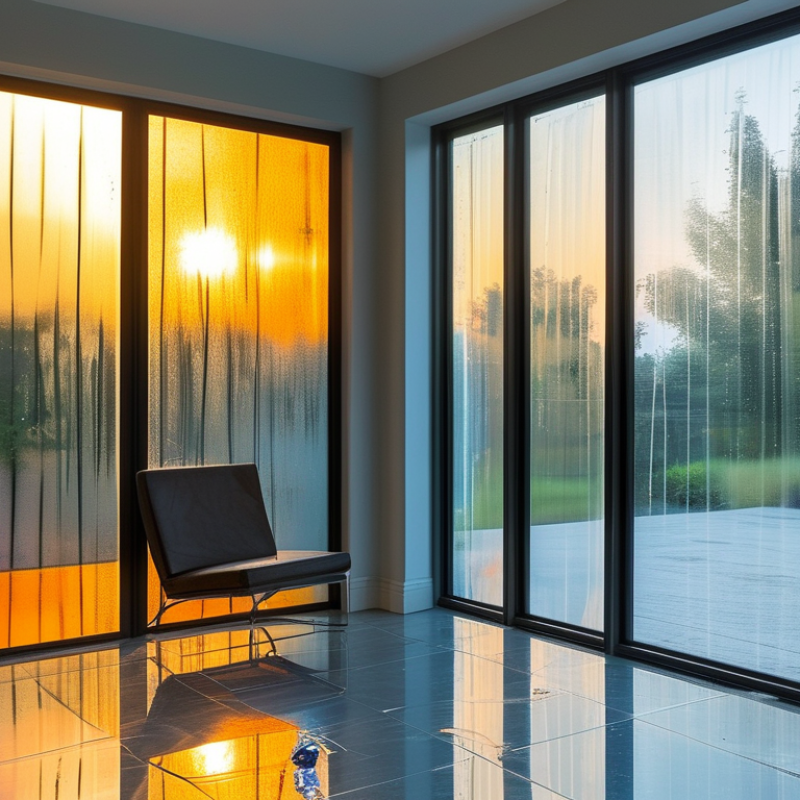
When selecting the right reflective tint for your needs, it's crucial to understand the types available and their benefits. Reflective tints come in various shades and materials. Common types include metallic, dyed, and ceramic. Each type offers unique benefits like UV protection and heat reduction. Metallic tints, for example, reflect more heat, making them ideal for warmer climates.
A key benefit of reflective tints is their ability to enhance privacy. They obstruct the view from outside while allowing light in. For homes and offices, this can create a more comfortable space. However, one must consider visibility: reflective tints can reduce visibility at night. Choosing a tint that balances privacy with visibility is essential.
When picking a tint, think about its intended use. Will it be for a vehicle, home, or office? Each setting might require different specifications. You might want to test samples before making a decision. This helps avoid the regret of choosing a tint that doesn't fit your expectations or needs. Remember, the perfect choice should enhance your environment while providing the necessary function.
Key Factors to Consider When Choosing Reflective Tint
Choosing the right reflective tint involves several key factors. First, consider the level of reflectivity you need. A study from the International Window Film Association (IWFA) shows that various tint levels can reduce heat by up to 70%. Depending on your climate, higher reflectivity may be necessary to achieve optimal energy efficiency.
Additionally, UV protection is crucial. According to the Skin Cancer Foundation, up to 50% of UV radiation can penetrate windows. Selecting a tint that blocks at least 99% of harmful rays will enhance protection for you and your furnishings. It’s worth reflecting on how tint affects visibility too. Some high-reflective options may severely limit your line of sight.
Durability also plays a significant role. Premium tints can last over a decade, while lower-end products may peel or fade within a few years. It is essential to weigh cost against longevity and performance. Finding the perfect balance can be challenging, and you might end up compromising on one factor to enhance another.
Evaluating UV Protection: The Science Behind Reflective Tints
Choosing the right reflective tint starts with understanding UV protection. Reflective tints work by reflecting sunlight away from the surface, reducing heat and glare. Knowing the science behind these products is crucial. Different tints have varying levels of UV protection, which can affect your skin and interior furnishings.
When evaluating reflective tints, pay attention to the UV rating. Higher ratings indicate better protection from harmful rays. Not all tints are created equal; some may seem visually appealing but offer less actual protection. Testing products in sunlight can help gauge their effectiveness. Consider your location and exposure levels, as these factors can influence your choice.
Empirical data shows that consistent exposure to UV rays can lead to skin damage and fading of materials. Therefore, reflective tints shouldn’t just be aesthetically pleasing. They should also meet practical needs for UV protection. Never underestimate how a small detail, like the tint percentage, can impact your overall comfort and safety. Reflective tints should be a balance between looks and functionality.
UV Protection Levels in Reflective Tints
Cost vs. Quality: Budgeting for the Right Reflective Tint
Choosing the right reflective tint involves balancing cost and quality. Many are drawn to cheaper options, but these often compromise on performance. A low-cost tint may look appealing initially, yet it can fade or bubble over time, leading to additional expenses. Investing in high-quality reflective tint can save money in the long run. Higher quality materials typically offer better UV protection and durability.
Consider the specific needs for your tint. A car might need different reflectivity than home windows. Ask for samples. Sometimes, people underestimate the impact of even a slight tint change. The visual difference can be significant. Evaluating the aesthetic alongside the protective qualities is essential.
Budgeting is essential. Determine how much you can spend before starting your search. While it’s tempting to choose the lower-priced options, think about the longevity and overall satisfaction. A thoughtful choice today can prevent regrets tomorrow. Finding a balance between cost and quality requires careful consideration. Invest time in research. This decision deserves it.
Legal Regulations and Compliance in Tint Selection
When selecting a reflective tint, understanding legal regulations is crucial. Each state or region has specific laws governing tint percentages and reflectivity levels. For example, a report from the International Window Film Association notes that nearly 30% of states impose restrictions on the light transmittance of front windows. This means you need to be aware of local laws to avoid fines or legal issues.
Compliance is not just about following the law; it impacts safety as well. Excessive dark or reflective tints can reduce visibility, especially at night. According to safety studies, optimal visibility is essential for reducing accident rates. This highlights the importance of maintaining a balance between aesthetics and compliance. When evaluating options, consider how each type of tint aligns with both local regulations and safety standards.
Failing to adhere to these regulations can lead to costly consequences. In some places, law enforcement strictly enforces tint laws, resulting in fines for non-compliance. While many drivers may desire darker tints for privacy, they must also consider potential legal setbacks. Reflecting on these aspects will help in making a more informed decision.