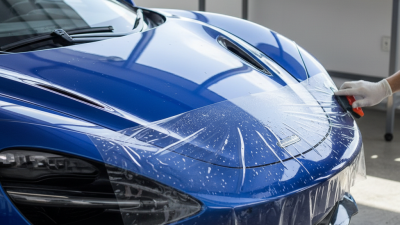
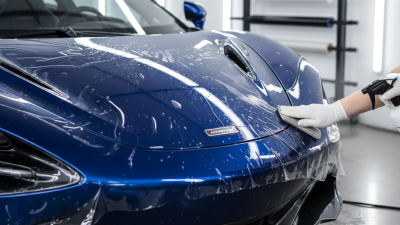
2026 Top Paint Protection Film Trends for Global Buyers?
As the automotive industry evolves, so does the demand for innovative vehicle protection solutions. One significant trend gaining momentum is Paint Protection Film (PPF). This advanced technology offers not only a barrier against environmental damage but also enhances the aesthetic appeal of vehicles. The global market is witnessing diverse preferences, pushing manufacturers to adapt and improve their offerings.
In 2026, we can expect various emerging trends in Paint Protection Film. From self-healing properties to enhanced durability, these films are becoming indispensable for car enthusiasts. Buyers are increasingly interested in customizable options, emphasizing the need for personalization. The surge in electric vehicles also influences the type of PPF used, requiring solutions that cater specifically to their unique surfaces.
However, the fast-paced growth in this sector raises questions. With many products flooding the market, differentiating quality becomes challenging for consumers. It is essential for buyers to seek reliable information and expert opinions. Understanding the nuances of Paint Protection Film can lead to better decisions and investment in vehicle care. As we explore these trends, a critical perspective will help buyers navigate the complexities ahead.

Emerging Trends in Paint Protection Film Material Technology for 2026
As we look toward 2026, the paint protection film (PPF) industry is set to evolve significantly. Emerging technologies are reshaping how materials are developed. New advancements focus on improved durability and self-healing properties. This allows films to heal minor scratches and maintain aesthetics longer without requiring frequent replacements. Innovations also enhance UV resistance, protecting vehicles from fading and sun damage.
Another key trend is the integration of sustainable materials into PPF production. Manufacturers are exploring eco-friendly options to meet growing consumer demand for sustainability. These new films may be made from bio-based polymers, which are less harmful to the environment. However, the performance of these materials must be carefully monitored, as durability can sometimes fall short compared to traditional options.
Moreover, advancements in adhesive technology are critical. Improved adhesives ensure better bonding and easier installation. However, consumers may face challenges in ensuring compatibility with various car surfaces. As this market continues to grow, many buyers will seek reliable guidance to navigate the changing landscape. The balance between innovation and practicality will be essential in shaping consumer choices in 2026.
The Impact of UV Resistance Enhancements on Paint Protection Films
As advancements continue in the paint protection film industry, UV resistance enhancements are gaining significant attention. These improvements lead to a more durable protective layer for vehicles. Enhanced UV resistance means less fading and cracking over time. This can ultimately preserve a vehicle's aesthetic appeal and resale value.
One important aspect of choosing paint protection films is understanding their longevity. Not all films provide the same level of protection. When selecting a film, consider factors like warranty and performance ratings.
Tip: Inspect your vehicle regularly for any signs of wear. Early detection of damage can help maintain the film's integrity.
Some films may claim high UV resistance but deliver less than expected. It is crucial to research and choose products that have proven performance. User reviews and third-party tests can guide your decision effectively.
Tip: Look for certifications that confirm a film's UV protective capabilities. This can offer additional peace of mind.
Growth Projections for the Global Paint Protection Film Market by 2026
As the paint protection film market continues to grow, projections for 2026 highlight significant advancements. Analysts predict a steady increase in demand, fueled by rising consumer awareness. The desire to maintain vehicle aesthetics drives buyers towards high-quality films. Many customers seek options that provide durability and UV protection.
Innovations in film technology are emerging. Enhanced clarity and self-healing properties are gaining popularity. Buyers are interested in materials that resist scratches and yellowing. However, some consumers remain skeptical about longevity and performance. Balancing cost with quality is a common concern.
Environmental considerations are also a focus. Sustainable materials are becoming essential for eco-conscious buyers. The market may reflect a trend towards films with reduced environmental impact. Many still grapple with the idea of investing in higher-priced options. This hesitation could influence overall growth in the coming years.
Consumer Preferences Driving Innovations in Paint Protection Film Designs
Consumer preferences are shaping the future of paint protection film (PPF) designs. Buyers are more informed and selective. They look for products that not only protect but also enhance the aesthetics of their vehicles. This has led to a surge in customization options. Consumers can now choose films that match their car’s color or even opt for unique patterns. The demand for matte finishes and color-shifting films is on the rise.
Tips: Consider your vehicle’s overall look when choosing a film. The right color can enhance its appeal. Explore samples before committing to a full wrap.
Innovation is driven by consumer feedback. Many companies are developing PPFs that are easier to apply and remove. Some films now feature self-healing properties, which can repair minor scratches on their own. Buyers appreciate efficiency and longevity. They want products that last but are also easy to maintain.
Tips: Regularly check for dirt and scratches on your film. This will help keep it in good shape. Learning proper cleaning techniques can extend its lifespan.
Sustainable Practices in Paint Protection Film Production for Future Markets
Sustainable practices in paint protection film production are gaining importance. Many buyers are now seeking eco-friendly products. The focus has shifted towards using recycled materials. This trend is likely to shape future markets.
The production process is also under scrutiny. Manufacturers should consider reducing waste and energy consumption. Transitioning to biodegradable materials is another step forward. These practices not only help the environment but also appeal to conscious consumers.
Tips for buyers: look for certifications. They indicate a commitment to sustainability. Research the materials used in production. Transparency is key for reliable brands. Explore options that minimize environmental impact. Always ask about the product’s lifecycle and end-of-life disposal. This ensures your purchase aligns with sustainable values.